Every year, billions of tons of agricultural waste, for example, rice husks, corn stalks, coconut shells, are either burned or left to decompose, releasing CO₂ and methane into the air. But what if these waste streams could be turned into clean, carbon-rich fuel, with 40% higher burn efficiency and 90% lower emissions? Study shows that substituting coal with biochar briquettes cuts methane and CO₂ emissions by ~40%. That’s the power of biochar briquettes—a revolution in sustainable energy and climate action.
In today’s article, we will discuss what biochar is, the use of biochar, and how брикетирование help the use of biochar become easier. Let’s keep reading!
What is Biochar/Biocharcoal?
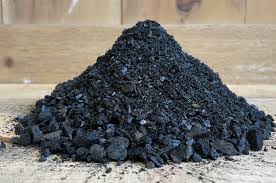
Biocharcoal
Biochar is also referred as bio charcoal. Biochar is a stable, porous, and carbon-rich material produced by heating organic biomass in the absence of oxygen, a process called pyrolysis (organic substances decompse at high temperature (between 300-900℃) at low oxygen condition). Simply speaking, biomass is slow roasted into charcoal without flames. Bio charcoal is primarily used for soil enhancement, carbon sequestration, and environmental applications rather than filtration.
Raw Materials for Biochar

Biomass & Biochar (Image Resouce: Internet)
Typical feedstocks for biochar production include:
These feedstocks determine the properties of the final biochar product.
Moreover, sustainable sourcing of feedstocks also ensures that biochar production remains environmentally friendly and economically viable.
How is Biochar Made?
Pyrolysis is the primary method of biochar production. During pyrolysis, biomass is heated at temperatures typically between 300–900°C in a low-oxygen environment. This process breaks down the organic matter, leaving behind biochar, volatile gases, and bio-oil.
The temperature and residence time influence the characteristics of biochar, including its porosity, surface area, and nutrient content. Higher temperatures generally produce biochar with greater stability and carbon content.
What is Biochar Briquette?
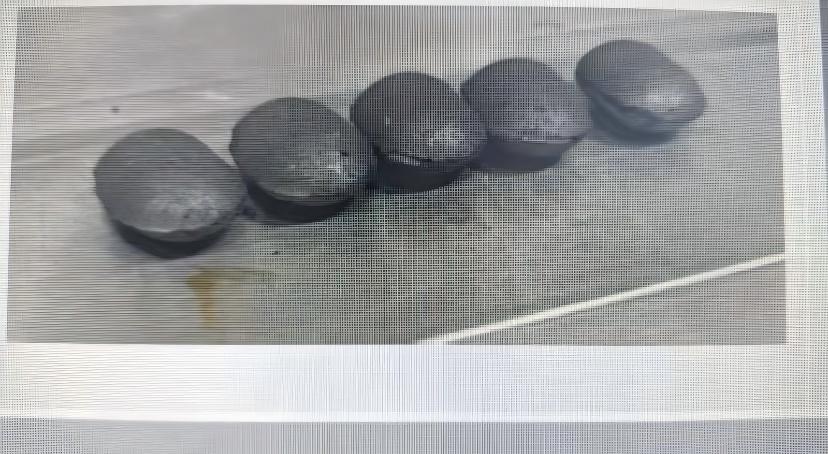
Biochar Briquettes Using Jianjie Binder
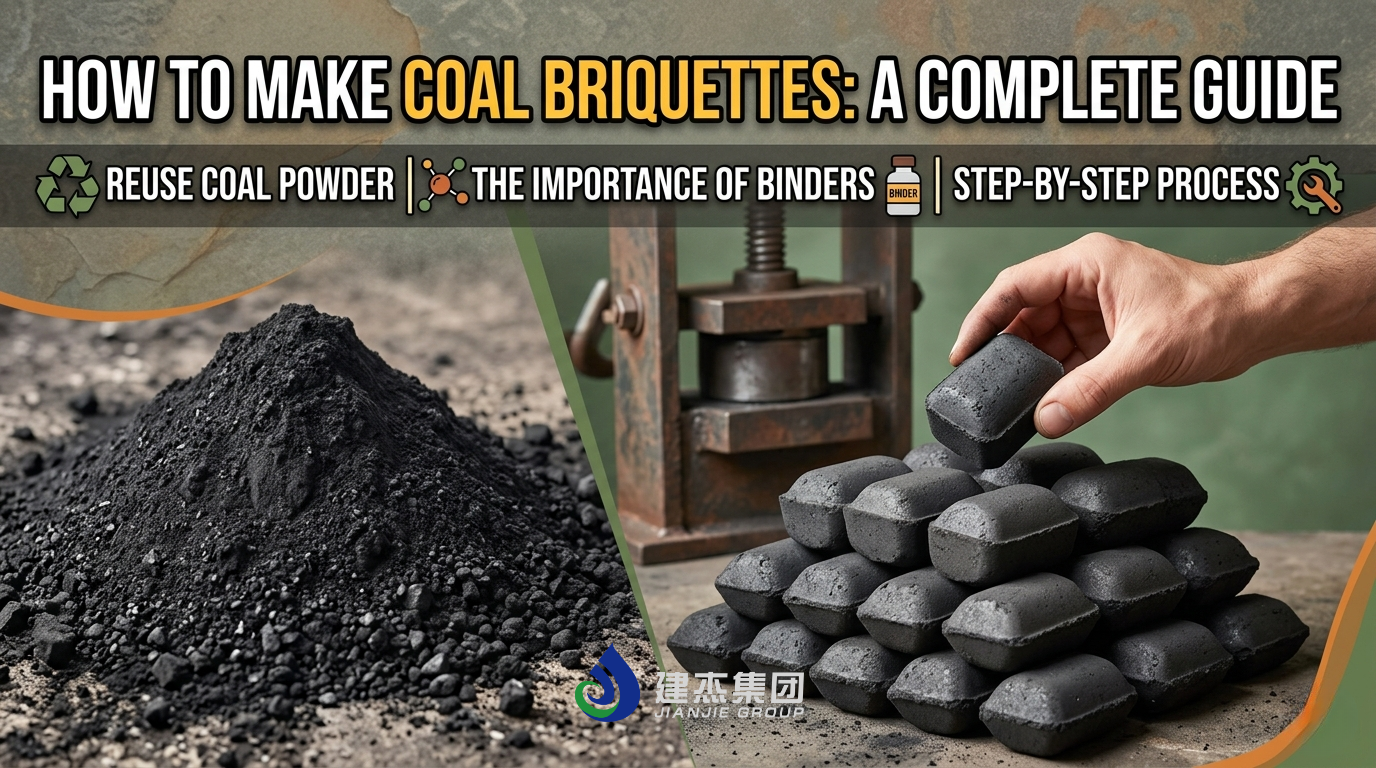
Despite raw biochar is often used directly, it can be challenging to handle and transport in loose form. This is where biochar briquetting comes in. Briquetting compresses biochar powder or granules into compact balls, bricks, or other shapes. This process involves high pressure and the addition of binder, at room temperature.
Briquetting technology on biochar can offer a lot of advantages to a better application.
Applications of Biochar and Biochar Briquettes
Biochar and biochar briquettes can be applied to various fields and industries. Here’s how biochar is making a difference across industries:
Work as Soil Amendment
Soil amendment is one of the key applications of biochar. Thanks to the porous, good hygroscopicity (water absorption), and high pH characteristics, biochar can help improve the porosity of soil, enhance the moisture of soil, neutralize the pH of acid soil, etc.
Work as Cleaner Fuel in Industrial Applications
Biochar briquettes are great substitue to replace fossile fuel in industrial use. For example, they can replace coal and coke in steelmaking. In steelmaking, coal and coke are used as fuel and reducing agent. However, using them in steelmaking can result in the generation of pollutants, such as CO2 and SO2. Biochar contains high carbon content and it features with high porosity and carbon neutrality. These features make it a great replacement for coal and coke. Nowadays, a lot of companies and enterprises are using biochar to lower the use of coal and coke.
Carbon Sequestration
Biochar is a stable material, which enables it to be stored in the ground for a long long time that locks CO2 in the air. In algricultural application, biochar can lower the emission of methane and N2O in the soil.
Because biochar is porous and stable, they are also used in many other industries including water management, etc.
Key Considerations in Biochar Briquetting
For successful biochar briquetting, several factors must be considered:
- Feedstock Moisture Content: Optimal moisture ensures good compaction and minimizes energy consumption.
- Binder Selection: Choosing the right binder for durability and performance that match your feedstock the best.
- Equipment Type: Screw presses, piston presses, and roller presses are popular machines for briquetting.
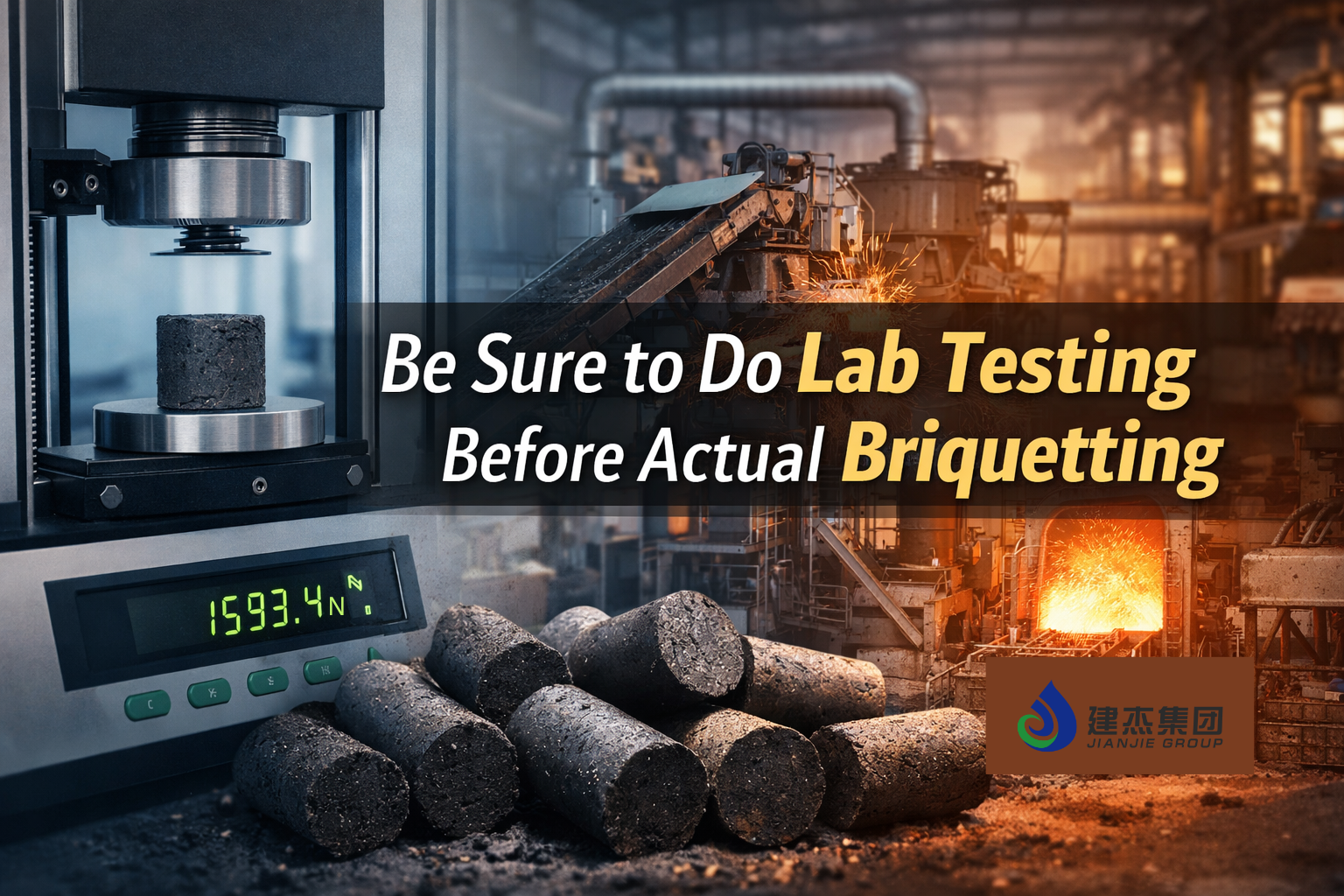
- Quality Testing: Standards for briquette density, durability, and combustion characteristics ensure product reliability.
Common equipments used in briquetting :
Hopper, Roller Press Machine (Briquetting machine), Mixer, Belt Conveyor, Dryer.
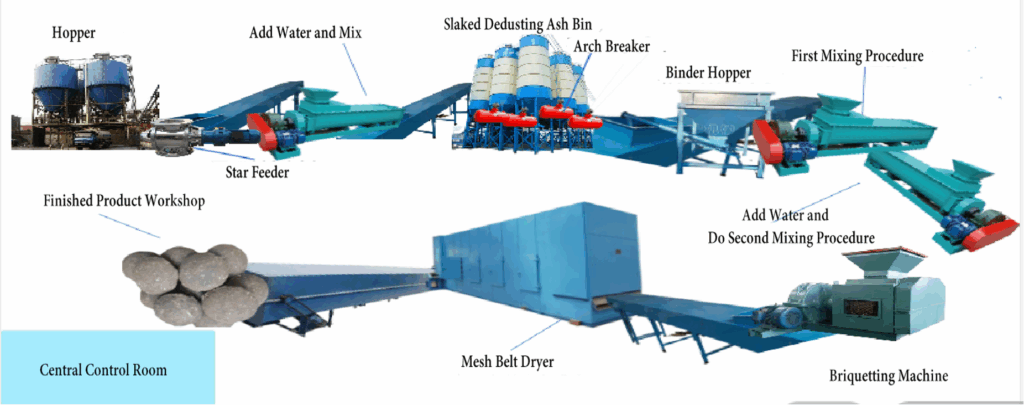
Briquetting Process
Factors that may influence the quality of biochar briquettes:
Particle size distribution, Moisture, Pressing Pressure, Binder Dosage, etc.
We discussed the two part in our other articles. Click the links to know more about the briquetting process (machines and steps) и how to evalute to the briquette quality.
The Importance of Binders in Biochar Briquetting
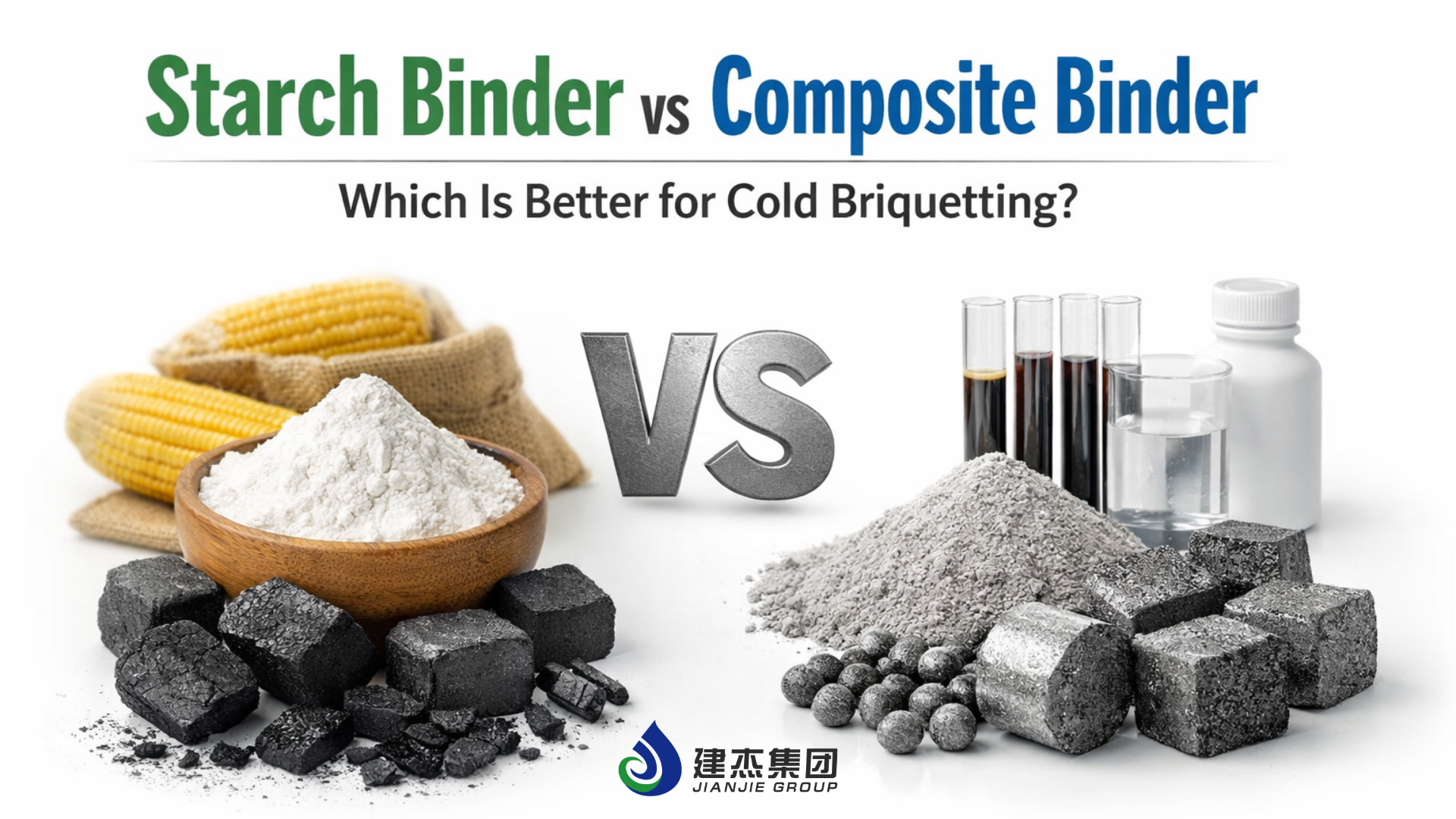
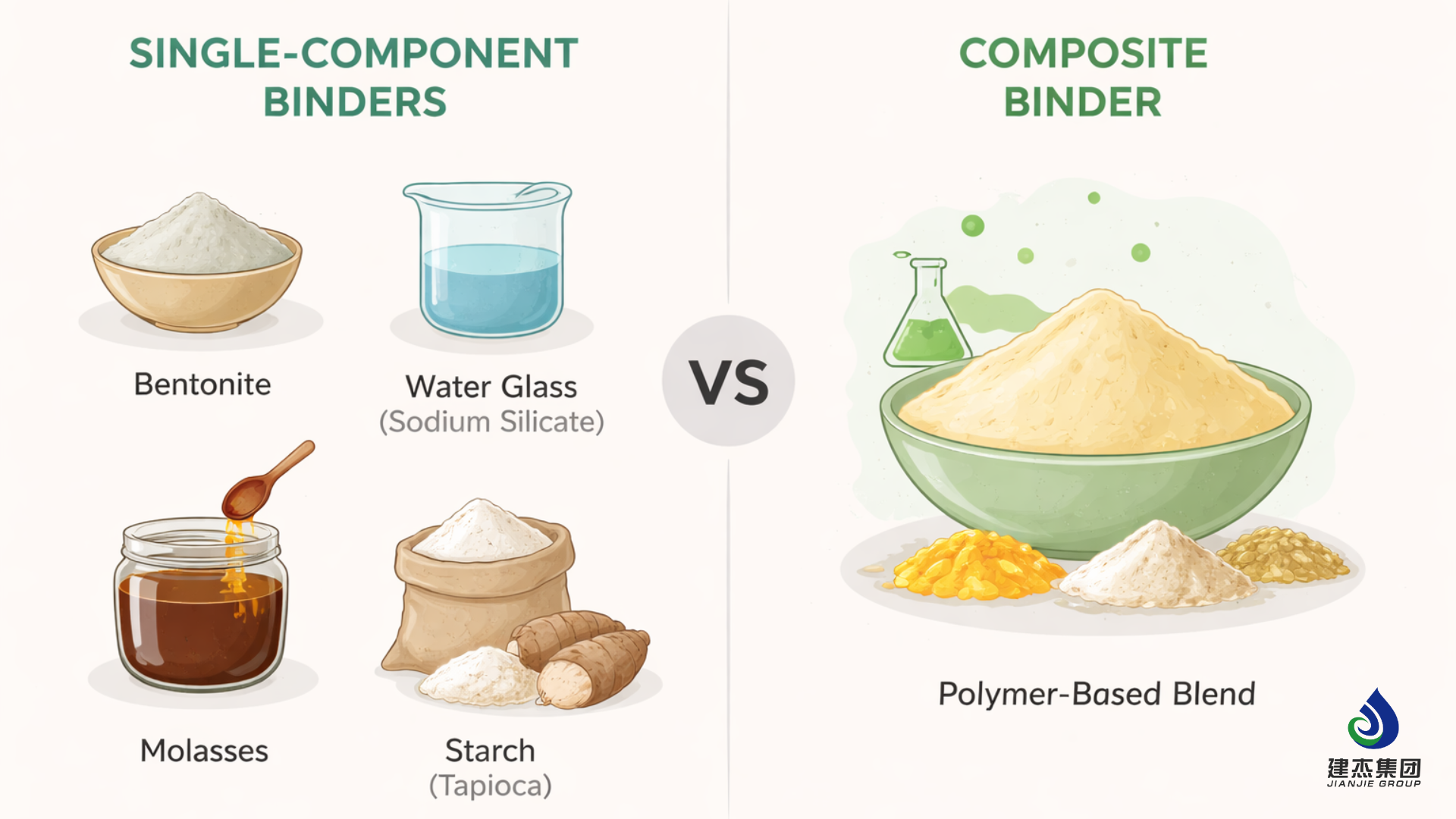
Папки play a critical role in the production of biochar briquettes. Binders don’t just hold the particles together, they also help improve the briquette’s mechanical strength and durability, for example, with the right binder, the briquettes can be stronger in quality or resist high temperature in furnace. Common binders include starch, molasses, clay, lignin, water glass, etc.
When selecting a binder, we should consider several factors:
The right binder ensures high-quality briquettes that meet energy and environmental standards.
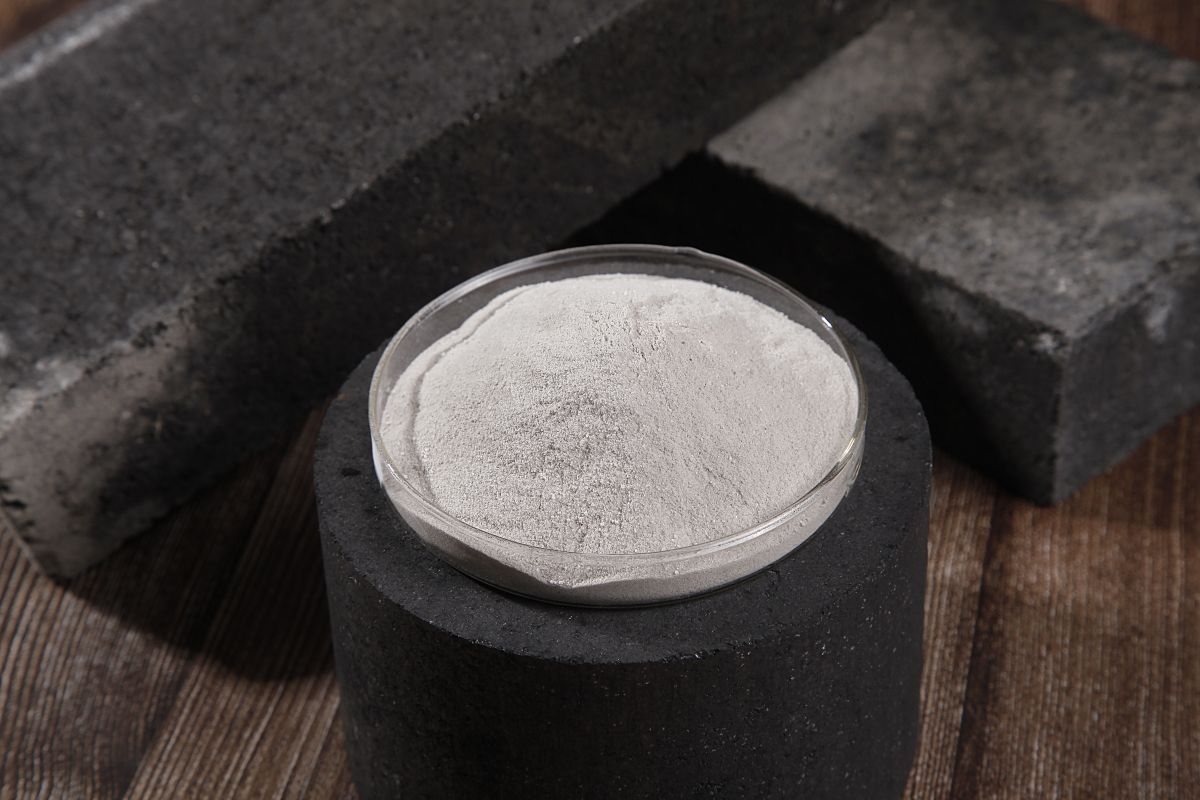
Jianjie Polymer-Based Binder for Coal and Biocharcoal
Jianjie’s binder for coal and biocharcoal is free from harmful substances, aligning perfectly with biochar’s core mission—sustainability. Thanks to its high viscosity, even a small dosage significantly enhances briquette bonding strength, resulting in more durable, cleaner-burning briquettes.
Jianjie Technical Service for Biochar Briquetting
While selecting the right binder is important, successful biochar briquetting requires more than just a material supplier. Differences in raw materials, moisture levels, particle size, and production equipment can all affect briquette strength and stability. Without proper testing and process optimization, many factories struggle with weak briquettes, cracking, or high production costs.
Наш сайт services включают:
With years of experience in industrial agglomeration and binder technology, Jianjie helps clients turn biochar powder into high-strength, high-value briquettes suitable for fuel, metallurgy, and environmental applications.
Заключение
Biochar and biochar briquettes are innovative and essential approaches in the transition to a greener, more sustainable world. From improving soil health to replacing coal in industrial processes, biochar’s versatility and environmental benefits are undeniable. As technology advances and awareness grows, the adoption of biochar and biochar briquetting will continue to expand, supporting carbon neutrality and circular economy goals.
Цзяньцзе обеспечивает high-performance binders and integrated briquetting solutions specially designed for biochar and biomass materials. If you are exploring biochar briquetting or want to improve your briquette quality, contact Jianjie for technical consultation and binder testing support.