
Introduction: The “Last Mile” of Mill Scale Recycling
In modern steel plants, mill scale(iron oxide scale) is an important part of the solid waste recycling. With a high iron content ( usually 80%-95%), and relatively low impurity levels, mill scale is considered a valuable secondary iron resource.
However, many plants encounter a common challenge during mill scale recycling through briquetting: insufficient briquette strength. This issue often leads to several practical problems:
- Material loss during handling: Briquettes tend to break down into fines during transportation and transfer.
- Furnace charging difficulties: Low-strength briquettes may crack or burst during the preheating stage, increasing the load on the dust collection system.
- Reduced metal recovery: Fine particles are carried away by furnace gas and cannot be effectively melted.
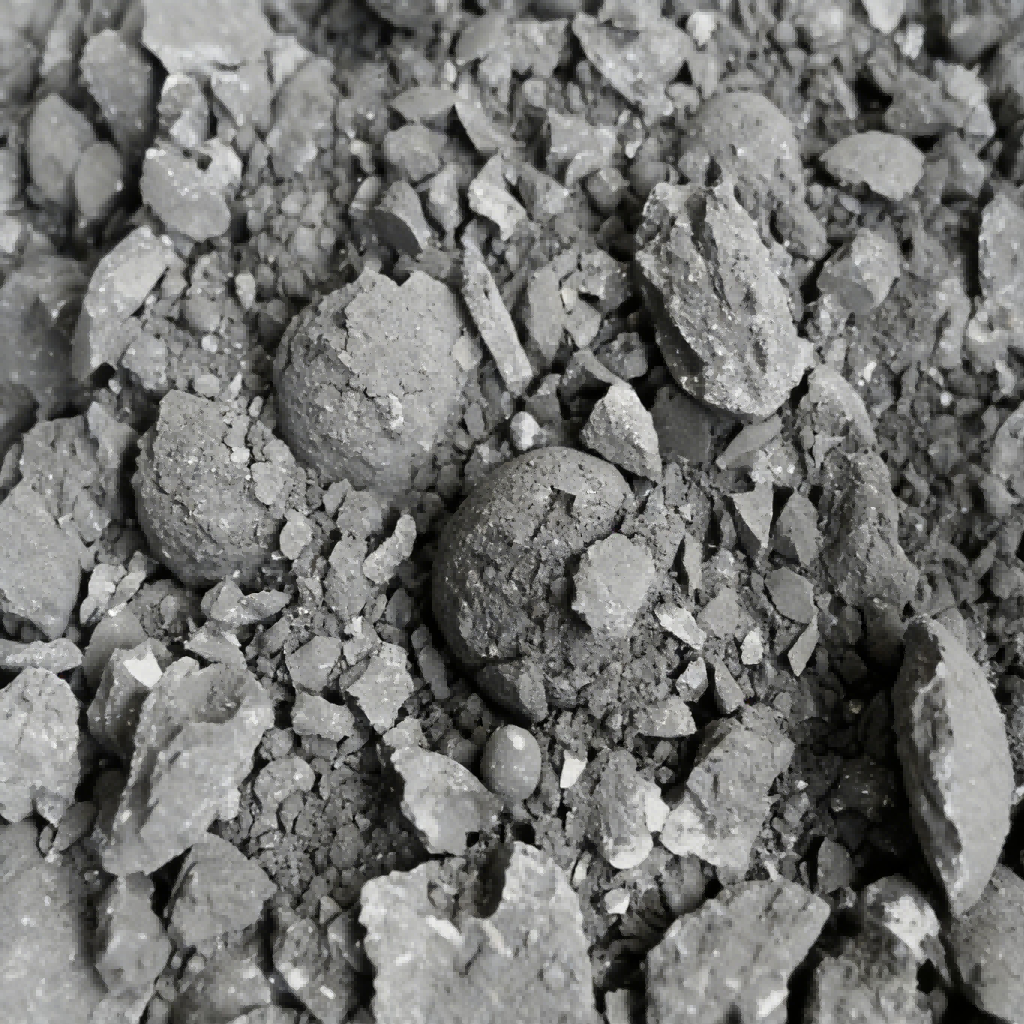
Broken briquettes
Improving the mechanical strength of mill scale briquettes is not only a technical task. It is also a key factor in reducing costs, improving operational efficiency, and increasing overall production benefits.
Practical Ways to Improve Mill Scale Briquettes Strength
Improving mill scale briquette strength is not based on one single parameter. In most cases, strength depends on raw material quality, binder performance, briquetting conditions, and drying behavior.
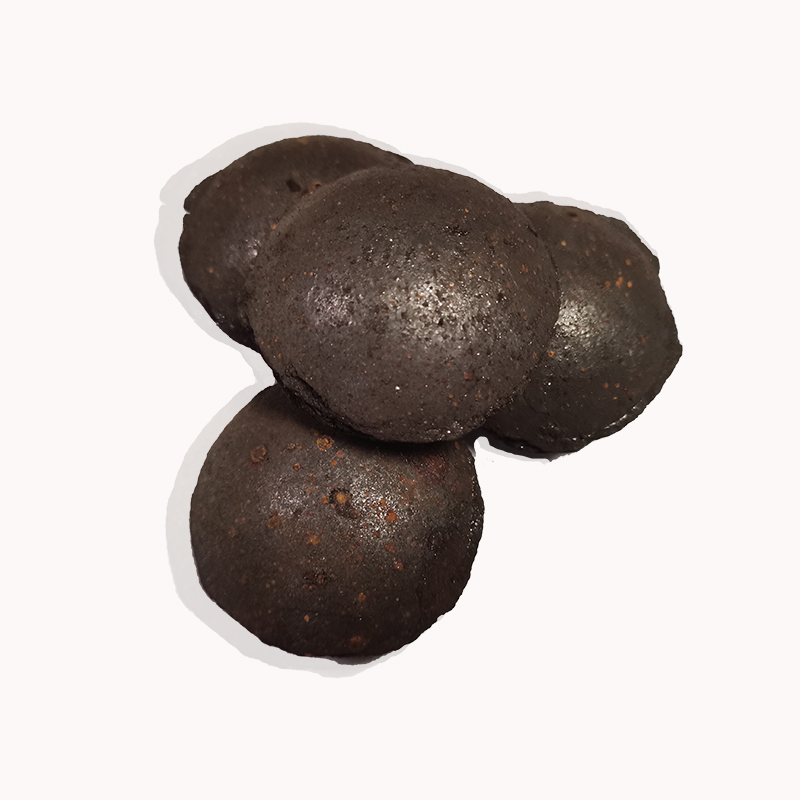
Below are the most important areas to check and optimize.
1. Optimize Raw Material: Size, Moisture & Composition
Mill scale briquettes strength starts with the raw material. If the material is not suitable, it is difficult to achieve stable briquettes even with good binders.
Particle size distribution:
Material that is too fine may not form a dense structure, while overly coarse particles reduce forming uniformity.
✅ Optimization tip: Adjust the ratio of coarse and fine particles to improve packing density and internal bonding.
Moisture content:
Low moisture causes poor bonding and weak forming, while excessive moisture often leads to cracks during drying.
✅ Optimization tip: Maintain an optimal moisture range to ensure smooth forming and stable drying.
Chemical composition:
Mill scale with higher Fe content and lower gangue (such as SiO₂ and Al₂O₃) is generally easier to briquette. Higher impurity levels may reduce briquette density and strength, and can also affect performance in downstream high-temperature processes.
✅ Optimization tip: If impurity levels are high, binder dosage and formulation should be adjusted based on material testing.
2. Select the Right Binder and Adjust Formulation
Inorganic binders (e.g., bentonite, silicates):
- Reliable across mineral materials, cost-effective, suitable for metallurgical use
- Require higher dosages and longer drying
- May slightly reduce Fe content
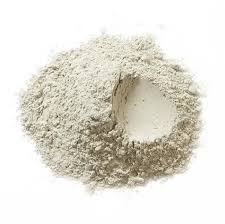
bentonite
Organic binders (e.g., molasses, lignosulfonate):
- Lower ash/impurity content, maintain higher metallic content, dry quickly
- Limited dry strength, sensitive to moisture/temperature, often need inorganic support

molasses
Composite binders:
- Combine advantages of inorganic and organic binders
- Good mechanical strength, lower ash, fast curing, often at lower dosage
- Performance depends on raw material and process; lab validation recommended
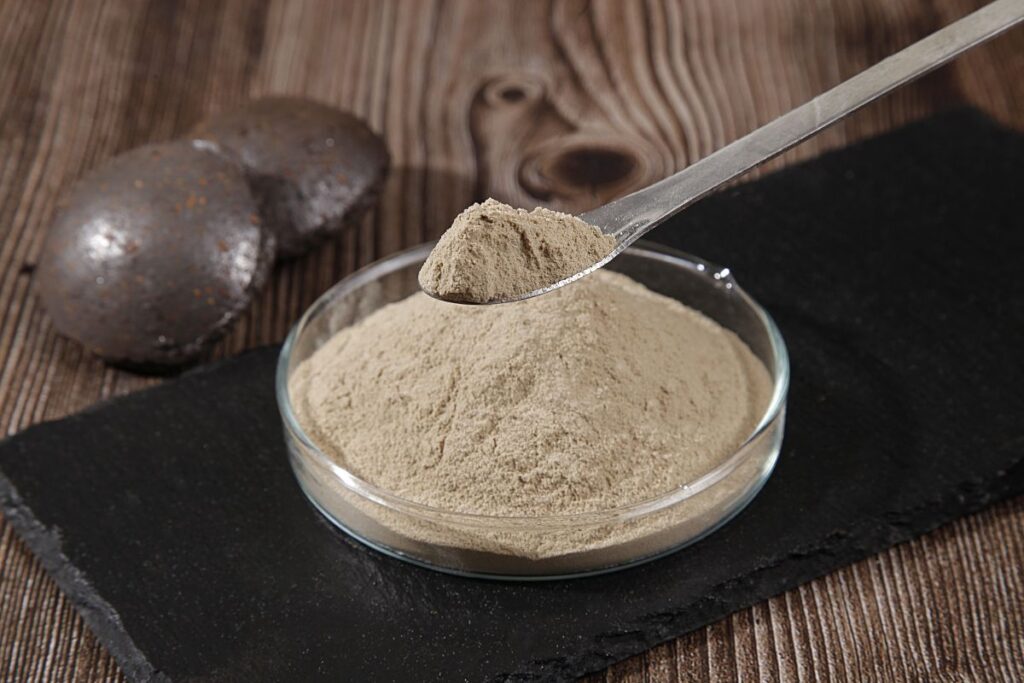
Jianjie’s mill scale briquetting binder
✅ Optimization tip:
Composite binders like Jianjie’s mill scale briquetting binder provide stable briquette performance. Adjust dosage/mixing for particle size and moisture, and use additives to improve strength and reduce breakage.
3. Optimize Briquetting Pressure, Mold & Equipment
Even with suitable materials and binders, briquette strength may still be unstable if the pressing conditions are not optimized.
Pressing pressure and forming time:
Low pressure or short forming time often produces loose and weak briquettes.
✅ Optimization tip: Select pressure and pressing time based on raw material grading and binder properties.
Mold design and briquette size:
Mold diameter and pressing method should match particle size distribution and binder dosage.
✅ Optimization tip: Optimize mold design and briquette size to improve density and reduce cracking.
Equipment compatibility:
Different briquetting machines and mold structures perform differently with various raw materials.
✅ Optimization tip: Proper matching between press parameters and binder formulation can improve both forming rate and dried briquette strength.
4. Improve Drying and Post-Treatment Performance
Drying behavior strongly affects final briquette quality. Many cracks and breakage issues happen after forming, not during pressing.
Air drying vs. industrial drying:
Industrial drying shortens the cycle, improves moisture uniformity, and reduces cracking risk.
✅ Optimization tip: For sensitive materials, use controlled drying conditions to avoid stress cracks.
By applying these three technical paths together, plants can significantly improve both green briquette strength and dried briquette strength, while reducing return fines and increasing overall production efficiency and economic performance.
Jianjie — A Comprehensive Solution Provider for Mill Scale Briquetting
As a leading binder supplier, Jianjie offers complete solutions for mill scale briquetting, covering both binder products and technical services. We support steel plants throughout the entire process, helping optimize production and improve briquette quality.
Binder Products Advantages
Jianjie’s mill scale briquetting binder offers several practical advantages:
- Stable and long-lasting briquette strength: The formed briquettes show good resistance to impact, compression, and abrasion. They remain intact during transportation, storage, and downstream use, reducing the risk of breakage.
- Flexible adaptation to different operating conditions: Binder addition rates can be adjusted between 0.5 % and 5 % based on raw material properties and forming conditions, making the binder suitable for various briquette sizes and briquetting processes.
- Lower return fines and reduced overall cost: The binder helps reduce briquette breakage and forming failures. It also supports an air-drying option, allowing briquettes to dry naturally within 2 to 3 days without additional heat sources or drying equipment.
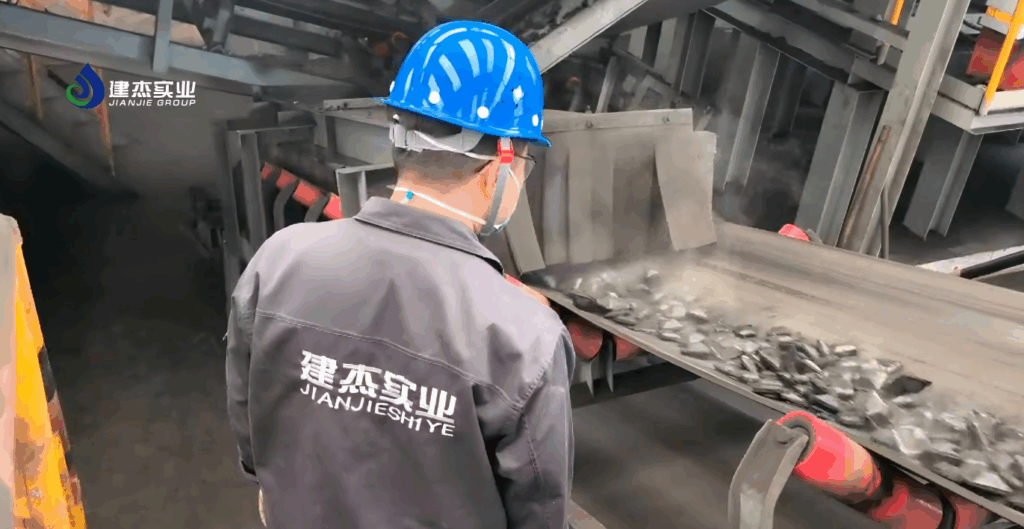
Jianjie Product Engineers’ On-Site Technical Support
This helps reduce energy use, labor input, and equipment wear, improving overall production efficiency.
Comprehensive Technical Support
In addition to high-performance binders, Jianjie provides complete technical support services. These include optimization of briquetting machine parameters, matching of molds and moisture levels, and adjustment of binder formulations.
Through on-site or remote problem analysis and continuous follow-up, Jianjie helps steel plants identify and resolve issues, ensuring stable briquette quality and controlled, reliable production.
Conclusion
Improving the strength of mill scale briquettes is a systematic process. For steel producers aiming for high-quality and stable production, selecting a customized briquetting solution is essential to achieving high-value utilization of steelmaking residues.
Would you like to know which binder formulation best suits your mill scale material? Contact our technical team for a free material analysis, and we will provide a tailored solution to improve briquette strength and performance.
You are also welcome to follow Jianjie on our official social media channels, where we regularly share technical insights, application cases, and practical experience related to mill scale briquetting, steel waste recycling, and binder solutions
FAQs About Mill Scale
Q: What is mill scale?
A: Mill scale is a flaky surface layer formed on steel during hot rolling, forging, or heat treatment. It is mainly composed of iron oxides, including FeO, Fe₃O₄, and Fe₂O₃.
With an iron content typically ranging from 80% – 95 %, mill scale is considered a valuable secondary iron resource in steelmaking and metallurgical recycling.
Q: How to remove mill scale?
A: Mill scale can be removed using several methods, depending on the application and production conditions:
- Mechanical removal: Techniques such as wire brushing, grinding, or shot blasting physically remove mill scale from the steel surface.
- Chemical removal (pickling): Acid solutions, commonly hydrochloric or sulfuric acid, dissolve the oxide layer effectively.
- Thermal or high-pressure methods: In certain cases, high-temperature treatment or high-pressure water descaling is used in rolling lines.
In recycling applications, removed mill scale is typically collected and processed for reuse rather than discarded.
Q: What is the use of mill scale?
A: Mill scale is widely reused as an iron-bearing raw material in various industrial processes:
- Steelmaking and ironmaking: Mill scale is recycled through briquetting or pelletizing and charged back into furnaces or sintering systems.
- Cement and construction materials: Due to its iron content, mill scale can be used as a corrective material in cement production.
- Pigment and chemical applications: Finely processed mill scale is sometimes used in iron oxide pigments and related chemical products.
Recycling mill scale helps reduce raw material costs, lower waste disposal pressure, and support sustainable steel production.
Q: Why is briquetting necessary for mill scale recycling in steel plants?
A: While mill scale has high iron purity, its fine, flaky physical form makes it difficult to recharge directly into furnaces. Without briquetting, the fine particles are easily blown out by furnace gases, leading to low iron recovery rates and clogging dust collection systems.
Mill scale briquetting transforms waste into a high-density feedstock, ensuring stable furnace permeability and significantly increasing the metallic yield in both Blast Furnaces (BF) and Electric Arc Furnaces (EAF).
Q: How to choose the suitable binder for mill scale briquetting?
A: The right binder should be selected based on mill scale properties, briquetting conditions, and the final application requirements. Composite binders are often a reliable choice, as they balance fast forming performance with stable strength after drying and at high temperatures.
For best results, binder selection should be supported by material testing and process matching.
-scaled.jpg)

 English
  Arabic
  Chinese
  Russian
  Indonesian