Introduction: Hidden Variables in Iron Ore Pelletization
Pelletizing rates may drop and return fines increase even when raw material ratios, binder types, and pelletizer settings remain unchanged. In many cases, environmental factors within the plant are the underlying cause.
3 Environmental Factors That Impact Iron ore pelletization
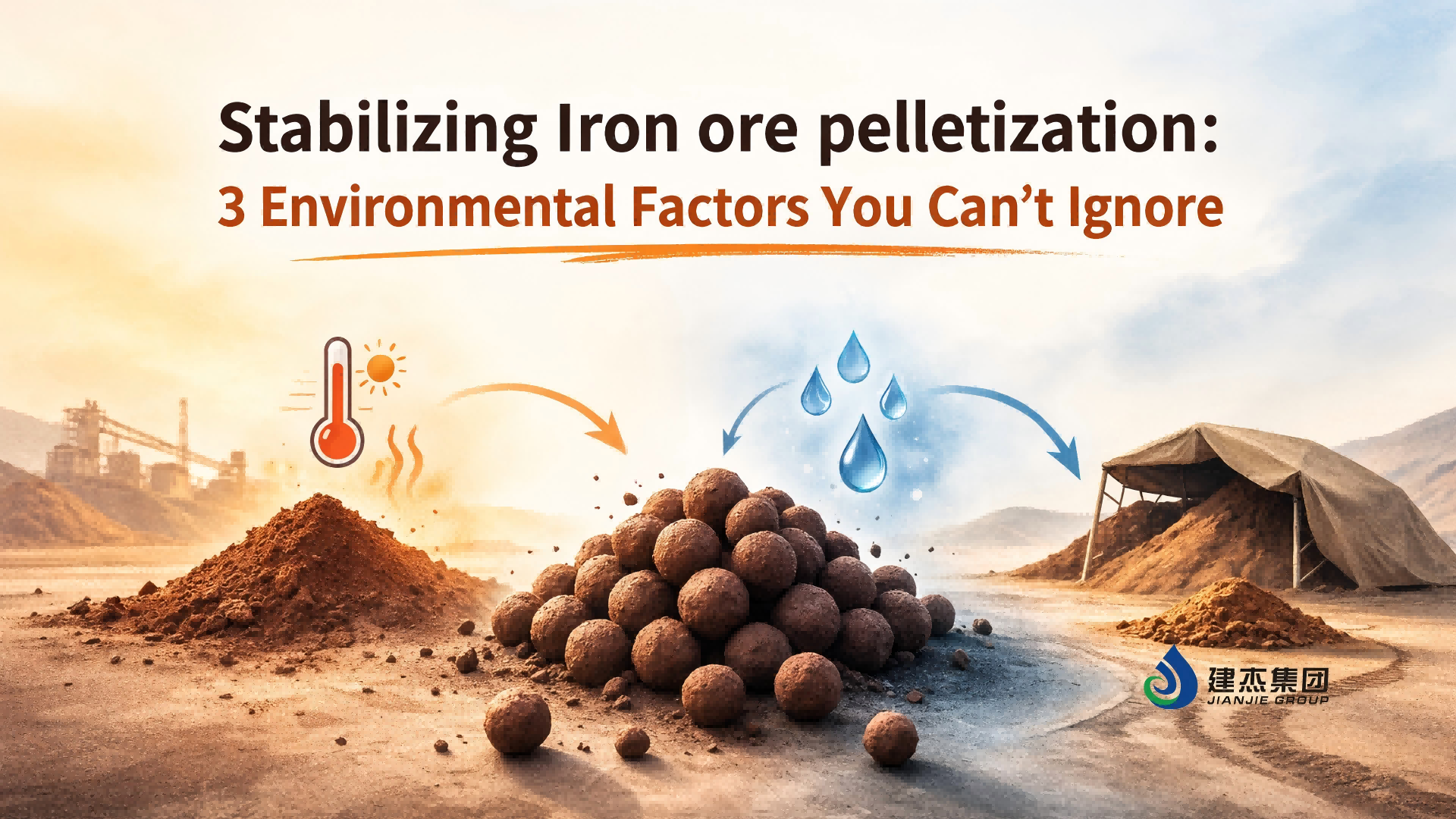
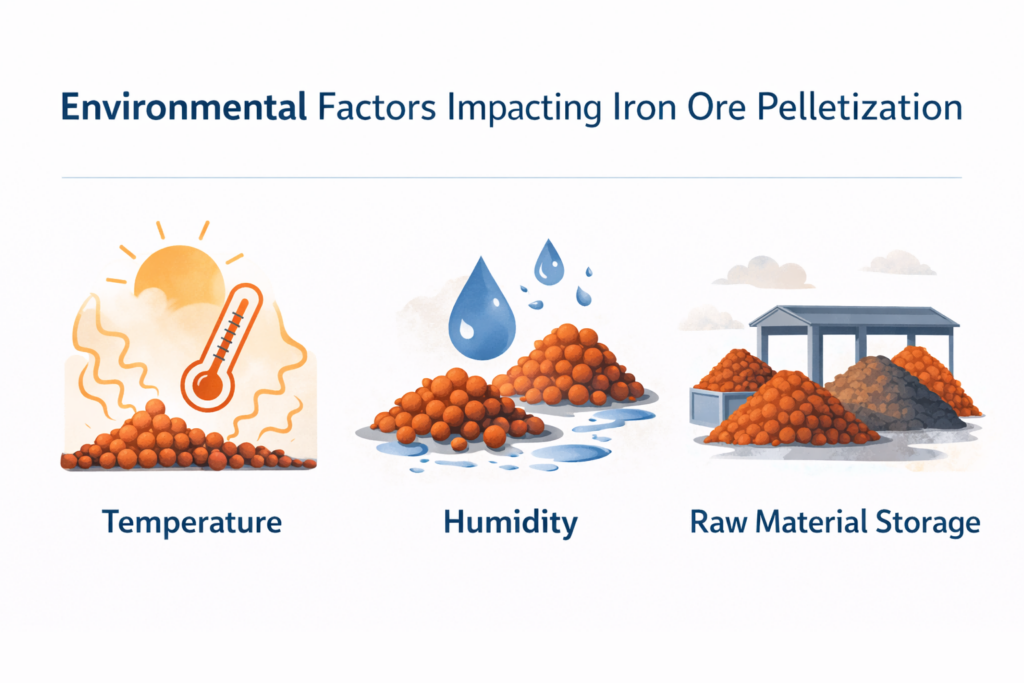
Environmental shifts are often the hidden cause of pellet strength instability. To maintain stable pelletizing, three critical variables must be monitored: temperature, humidity, and raw material storage conditions.
Temperature: Key to Moisture and Binder Stability
Temperature influences moisture movement and binder reactions, affecting pelletization stability.
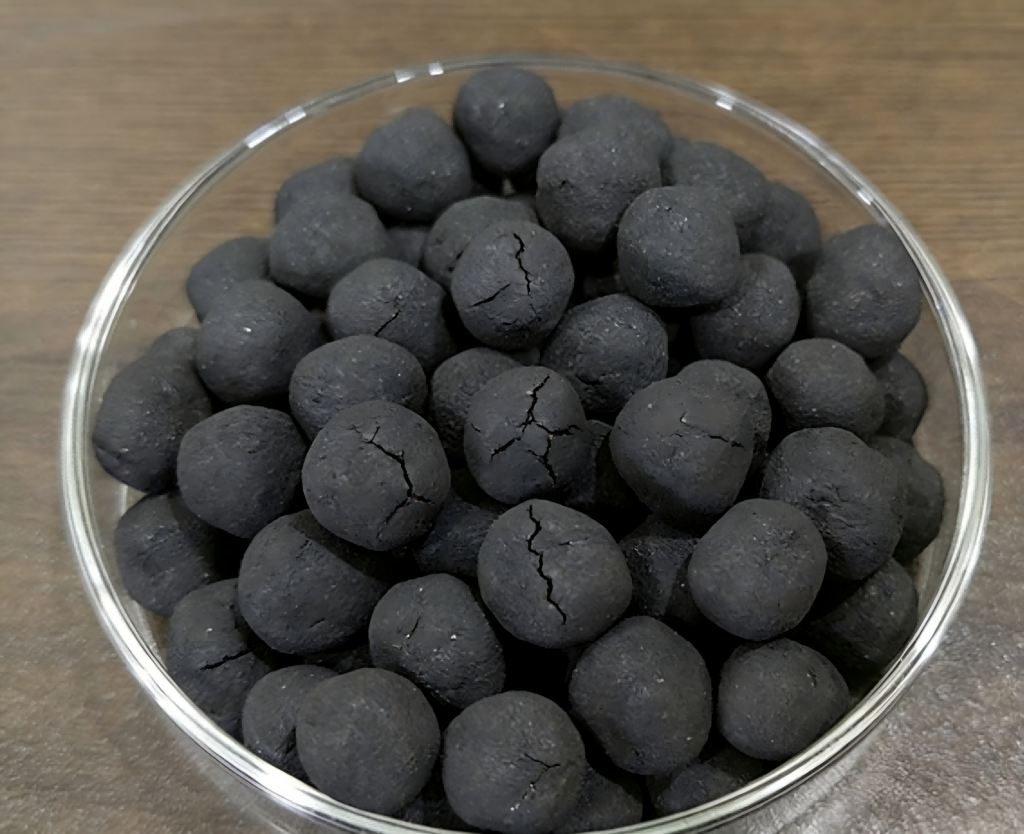
Under high temperatures, the pellet surface may dry too quickly while the interior remains wet, causing moisture imbalance, surface hardening, micro-cracks, and reduced compressive strength. Heat can also accelerate binder reactions, shortening bonding time and complicating process control.
Under low temperatures, slower moisture movement reduces binder effectiveness. This can slow down pellet formation and cause lower pelletizing rates and uneven size distribution.
In regions with large day–night temperature differences, these effects become more noticeable. By influencing moisture movement and binder activation, temperature plays a continuous role in pellet stability and output consistency.
Humidity: An External Regulator of Moisture Balance
Ambient humidity directly affects moisture balance in the pelletizing process. It can either reduce moisture loss or increase surface moisture in the material.
Impact of High Humidity
In high-humidity environments, green pellets dry more slowly. Moisture stays on the surface, which increases stickiness.
This often leads to:
- Increased particle adhesion
- Uneven pellet size distribution
- Lower screening efficiency
- Higher return fines ratio
These effects are especially noticeable in coastal regions or during rainy seasons.
Impact of Low Humidity
In low-humidity conditions, green pellets dry too quickly. The pellets surface loses moisture fast and may shrink.
This can result in:
- Fine surface cracks
- Lower wet compressive strength
- Higher breakage rates during conveying and screening
Over time, low-humidity environments are more likely to cause insufficient wet strength.
Therefore, humidity variation must be considered alongside water addition to maintain stable pellet production.
Raw Material Storage Conditions: Upstream Drivers of Efficiency Variations
Pelletizing efficiency begins with proper raw material management.
During storage, raw materials may experience:
- Moisture absorption at night
- Moisture loss under daytime sun exposure
- Internal temperature rise within stockpiles
- Uneven moisture distribution due to poor air flow
When the initial moisture content and temperature of raw materials vary from day to day, overall moisture balance in the system will shift, even if the added water remains constant.
This explains why some Iron ore pellets production lines are more likely to experience efficiency fluctuations during seasonal transitions.
Enhancing Iron ore pelletization: Selecting a Binder with Environmental Adaptability
Since environmental changes cannot always be avoided, a high-performance binder must remain chemically and physically stable under varying temperature and humidity conditions.
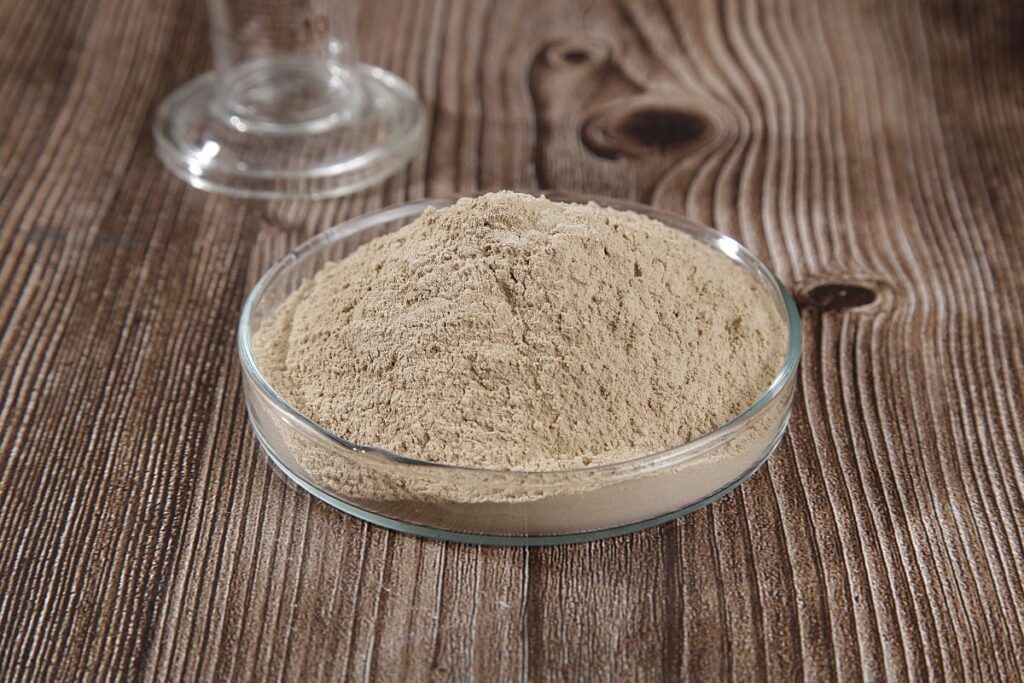
In practical applications, Jianjie powder-based iron ore binders offer significant advantages over liquid binder. They are less sensitive to thermal variations during transport and storage, ensuring consistent on-site performance regardless of the season.
Key Advantages of Jianjie iron ore pelletizing binders:
- Improved pelletizing rate and production stability
Optimize particle bonding structure, enhance material flowability and pellet growth speed, and improve overall capacity utilization. - Higher green and dry strength
Increase wet compressive strength and reduce drop breakage.
Improve cold compressive strength(CCS) after firing and maintain suitable bursting temperature, helping reduce strength fluctuation caused by environmental changes. - Lower SiO₂ and Al₂O₃ content with higher TFe grade
Reduce bentonite addition to optimize pellet chemical composition. The product contains less phosphorus and sulfur, meeting strict metallurgical standards. - Optimized pore structure and better reducibility
Improve pellet porosity while maintaining strength, enhancing reduction efficiency inside the furnace.
From Binder to pelletization Process Support: Jianjie’s Technical Expertise
Stable pellet production depends not only on binder performance, but also on proper process coordination. Jianjie focuses on customized binder solutions while providing professional technical guidance to support stable pelletizing operations.
Our technical support includes:
- Customized binder formulation based on ore characteristics and local climate
- Laboratory testing and performance evaluation
- On-site technical guidance for binder application
Conclusion
In pellet production, formulation defines performance limits, while environmental control and system coordination ensure long-term stability. By integrating environmental variables into pelletizing process management and applying adaptive binders, plants can significantly reduce fluctuations in strength, output, and return fines.
If your pelletization line is facing seasonal or efficiency-related challenges, contact Jianjie for professional support.
Follow Jianjie on LinkedIn and other social channels for the latest iron ore pelletizing tips, case studies, and expert insights.