Introduction
In briquetting process, mold sticking and poor briquette discharge are two common but often underestimated efficiency killers. They lead to frequent shutdowns for cleaning, abnormal mold wear, and a direct drop in briquettes production.
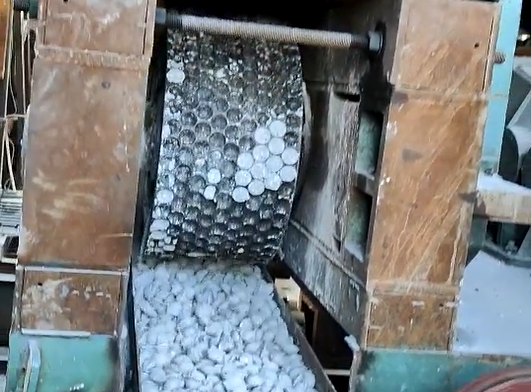
Solving these problems in a systematic and sustainable way has become essential for stable briquetting operation and cost control.
This article looks at why briquettes stick and have discharge problems. It also presents Jianjie’s effective anti-sticking solution. This solution relies on the briquetting process and binder support. It helps briquette production lines run smoothly and consistently..
What Is Mold Sticking and Poor Briquette Discharge During البريكيت?
Mold sticking happens when material or briquettes stick to the mold. This can occur during pressing or when removing them. It can leave residues or block parts of the mold cavities..
Poor briquette discharge means problems when taking briquettes out of the mold. This can include dragging, breakage, unstable release, or not fully removing the briquette.
In practice, we closely relate these two issues. Mold sticking often leads to poor discharge, while discharge problems usually indicate unstable structure formation or unfavorable mold–material interaction during briquetting.
4 Key Factors Behind Mold Sticking and Poor Briquette Discharge
From a briquetting process perspective, mold sticking and poor discharge are rarely caused by a single factor. In practice, they result from multiple variables becoming unbalanced at the same time. Based on extensive on-site briquetting experience.
The following four factors are the most common and most frequently overlooked.
1. Raw Material Moisture Imbalance
Moisture-related sticking is mainly caused by improper moisture distribution rather than simply too much or too little water.
- Excess surface moisture makes materials soft and adhesive. During briquetting, water and fines are squeezed toward the mold, forming high-adhesion zones that increase friction during demolding.
- Insufficient moisture limits binder activation and particle compaction, resulting in loose briquettes with rough surfaces that are difficult to release.
- Uneven moisture distribution during mixing creates wet agglomerates that can trigger localized sticking, which may quickly spread across multiple mold cavities.
Differences in particle size, surface area, and water absorption between raw materials further amplify these effects.
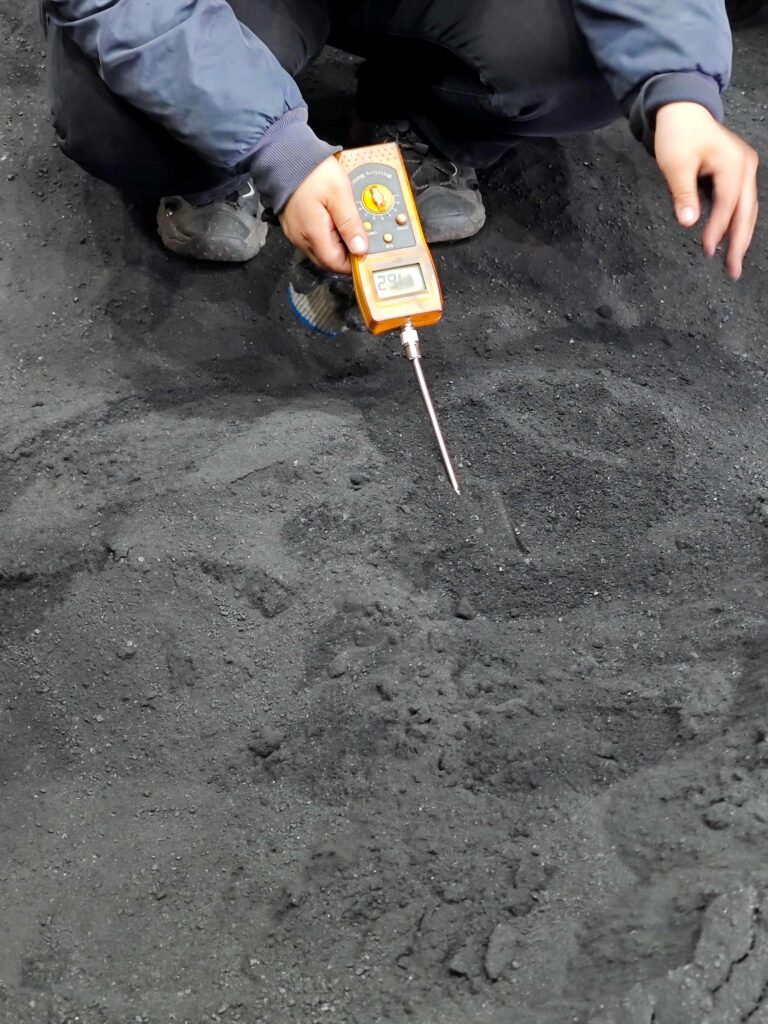
Raw material wet test
2. Unsuitable Binder Choice
Binders that migrate easily under pressure are a major hidden cause of mold sticking.
- Traditional binders tend to flow toward mold under high pressure, forming sticky surface layers.
- During continuous operation, rising mold temperatures can cause binders that cannot withstand high temperatures to degrade or carbonize, forming hard deposits on mold surfaces.
- Once deposits form, sticking progressively worsens and briquette discharge becomes unstable, even when binder dosage is relatively low.
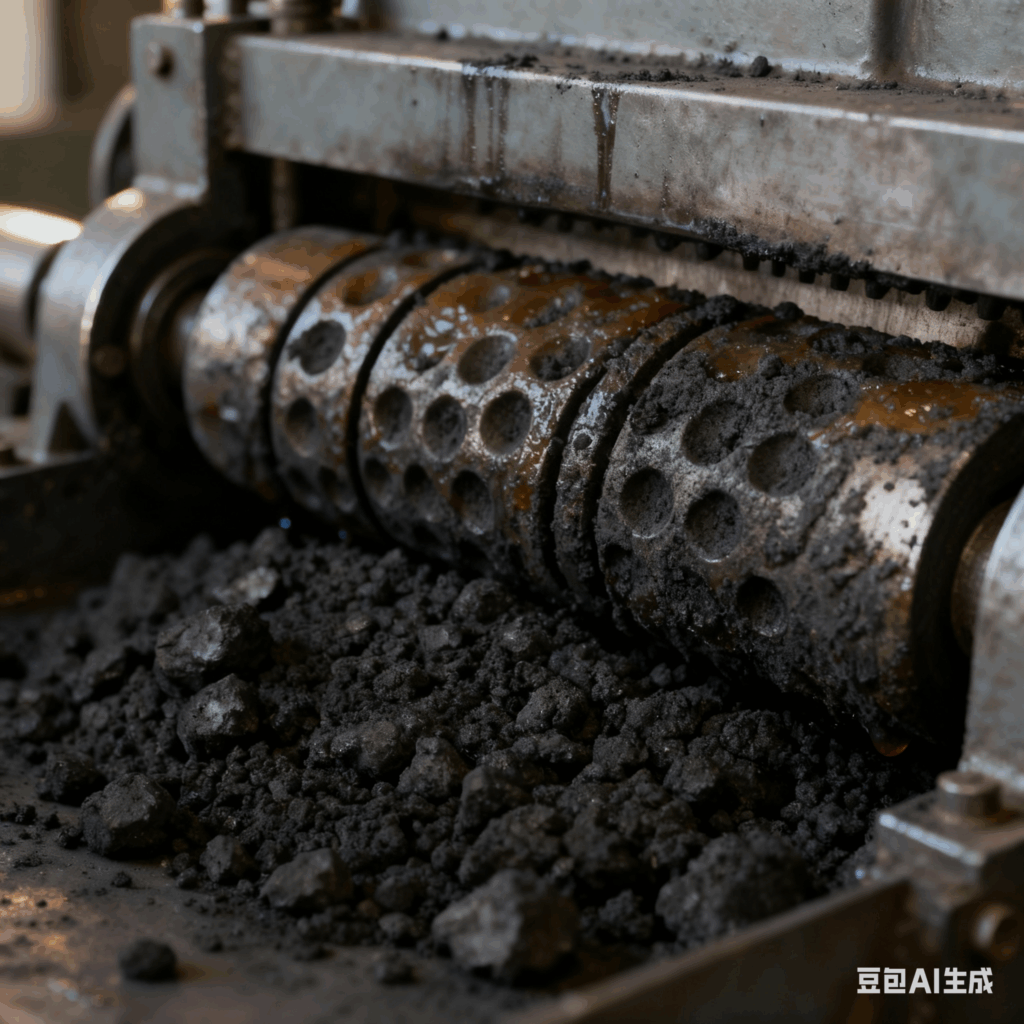
دبس السكر sticky to the roller
The key issue is not whether a binder is used, but whether it is suitable for cold briquetting under pressure and heat.
3. Raw Material Characteristics: Fines and Clay Content
The physical and mineral properties of raw materials strongly influence sticking behavior.
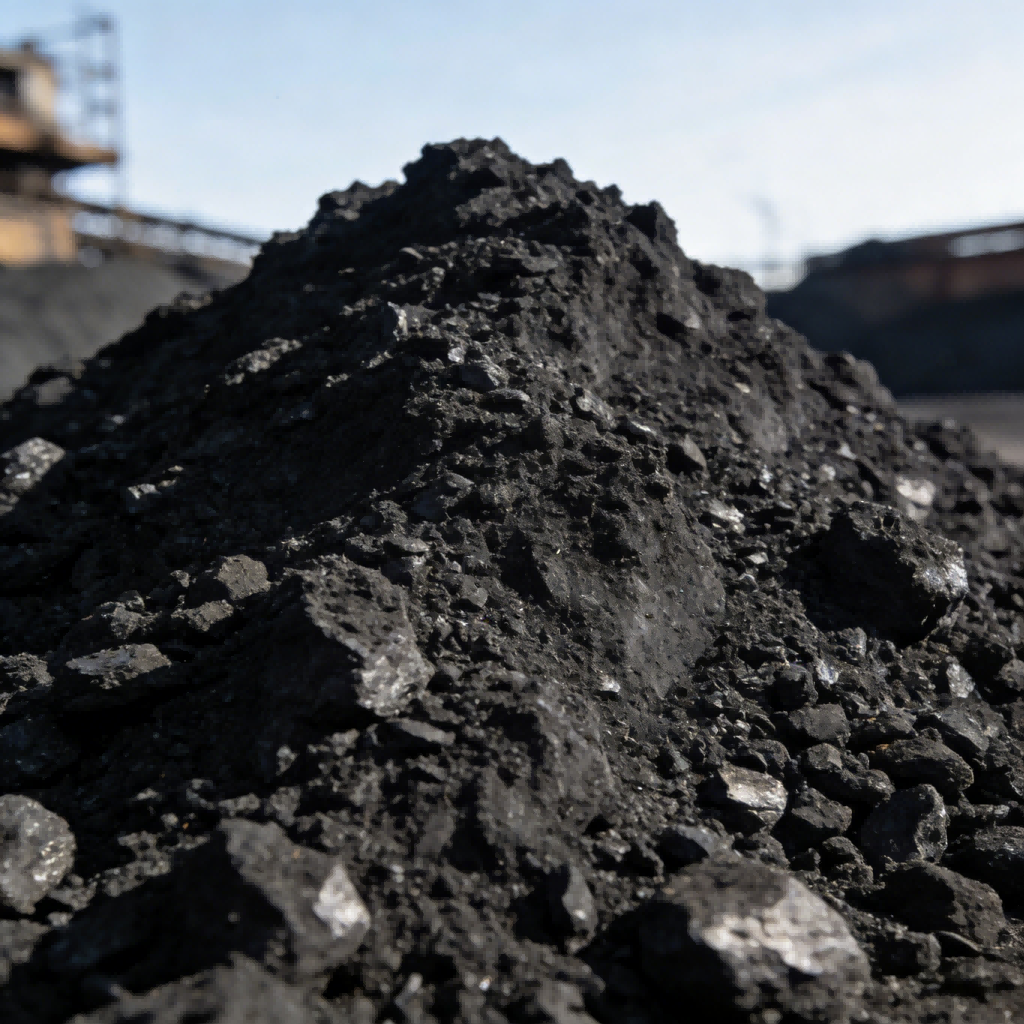
- High fines content increases particle mobility under pressure, making fines more likely to accumulate at mold together with water and binder.
- Materials with clay or similar minerals can become paste-like when wet. This can cause smearing and sticking on mold surfaces.
- Variations in raw material sources and limited pretreatment can disrupt an otherwise stable process, triggering sudden sticking and discharge problems.
4. Roller Condition and Forming Parameters
- Mold condition and forming settings directly determine briquette discharge performance.
- Wear, corrosion, or surface damage reduce mold smoothness, increasing friction during demolding.
- Local overheating during long-term operation intensifies sticking and carbon buildup, especially when organic binders are used.
Excessive forming pressure or pressing time can cause briquettes to lock into the mold during pressure release, leading to poor discharge or jamming.
Jianjie’s Systematic Briquetting Solution for Mold Sticking and Poor Discharge
Since mold sticking is a system-level problem, effective solutions must combine material design, process control, and operational guidance.
جيانجي Briquetting Binders: Reducing Mold Sticking Through Forming Stability
In Jianjie’s engineering practice, anti-sticking is not treated as an isolated target. The focus is on maintaining briquette structural stability throughout the forming cycle.
Based on this, Jianjie briquetting binders are made to balance strength and easy demolding. This ensures stable and consistent discharge.
Key advantages related to mold sticking and discharge include:
Uniform mixing without clumping
Easy dispersion during mixing prevents local high-adhesion zones that often trigger sticking.
قليل mold-wall affinity
Under pressure, the binder does not migrate to form sticky films on mold surfaces, reducing buildup, dragging, and discharge resistance.
Fast structure formation during pressing
Briquettes gain internal cohesion quickly, allowing clean and complete demolding at pressure release.
Low fines generation and reduced return fines
Improved briquettes forming stability minimizes breakage during discharge and handling, lowering labor, energy, and material losses.
Low dosage, minimal impact on material grade
Effective at low addition rates and does not introduce impurities. This makes it suitable for metallurgical applications where chemical composition is critical.
Adjustable formulation for demanding conditions
Jianjie binders are more flexible than molasses. They improve thermal strength and furnace performance. They are designed for specific raw materials and processes.
By focusing on forming stability, mold sticking is controlled at the mechanism level without relying on extra release agents or frequent cleaning.

Jianjie Briquetting Binder
Beyond Products: Full البريكيت Process الدعم الفني
A high-quality binder is the foundation, but correct briquetting process matching ensures long-term success. Jianjie’s value goes beyond supplying materials.
Customized binder and parameter optimization
Based on your raw materials (iron ore fines, slag, limestone, coke powder, etc.) and local operating conditions, our technical team provides:
- Binder selection and precise dosage recommendations.
- Defined moisture control ranges
- Recommended mixing time and forming pressure
This helps briquettes production lines reach optimal conditions quickly and consistently.
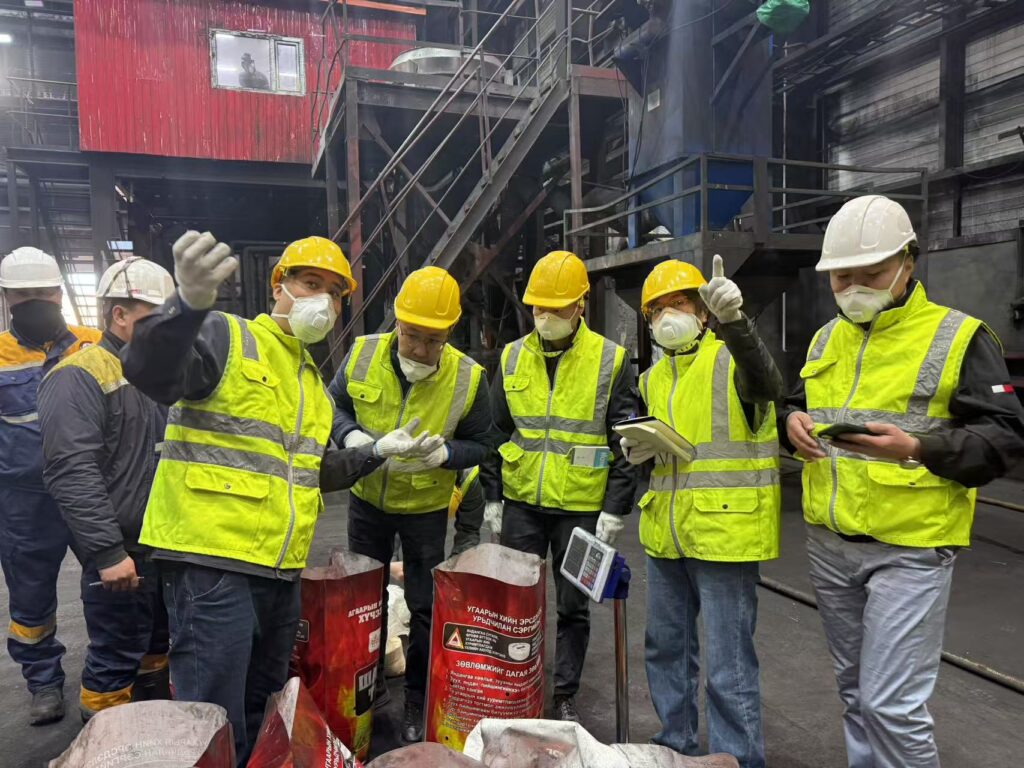
On-site technical support and problem diagnosis
Jianjie’s engineers can provide on-site assistance, including:
- Diagnosis and resolution of complex briquette mold sticking issues
- Briquetting machine adaptation and process optimization
Conclusion: Toward Stable and Efficient Briquettes Production
Mold sticking and poor briquette discharge are not inherent problems in briquetting. With a clear understanding of the root causes and proper coordination between binder properties and process conditions, these challenges can be effectively controlled.
Engaging with Jianjie technical experts to explore how a tailored Jianjie solution can optimize your briquettes production line.
FAQ: Common Questions About Mold Sticking في البريكيت
Q2: How to keep briquettes from sticking to the mold during briquetting?
A2: Briquettes stick to the mold mainly due to improper moisture control, unsuitable binder behavior, and high fines or clay content. Excess water or binders that migrate easily under pressure can form sticky layers on the mold.
Using binder with low mold-wall adhesion, balanced moisture, and controlled forming pressure helps briquettes release smoothly. Proper mold condition and surface smoothness further reduce sticking during briquetting.
Q2: Why do traditional binders (like molasses) often cause mold sticking?
A2: Traditional binders have inherent properties that cause issues:
High Stickiness and Flow: Under high pressure, reducing sugars and water-soluble components are easily pushed onto the mold surface, forming a sticky layer.
Thermal Sensitivity: As mold temperature rises, these organics tend to degrade or carbonize (coke), forming hard “dead stick” layers that permanently block the mold holes.
Q3: How do fines and clay content influence mold sticking?
A3: High fines content increases particle mobility under pressure, making fines more likely to migrate toward mold together with water and binder.
If the material contains clay or clay-like minerals, water addition can turn it into a paste-like mass that smears onto mold surfaces, significantly increasing mold sticking risk.