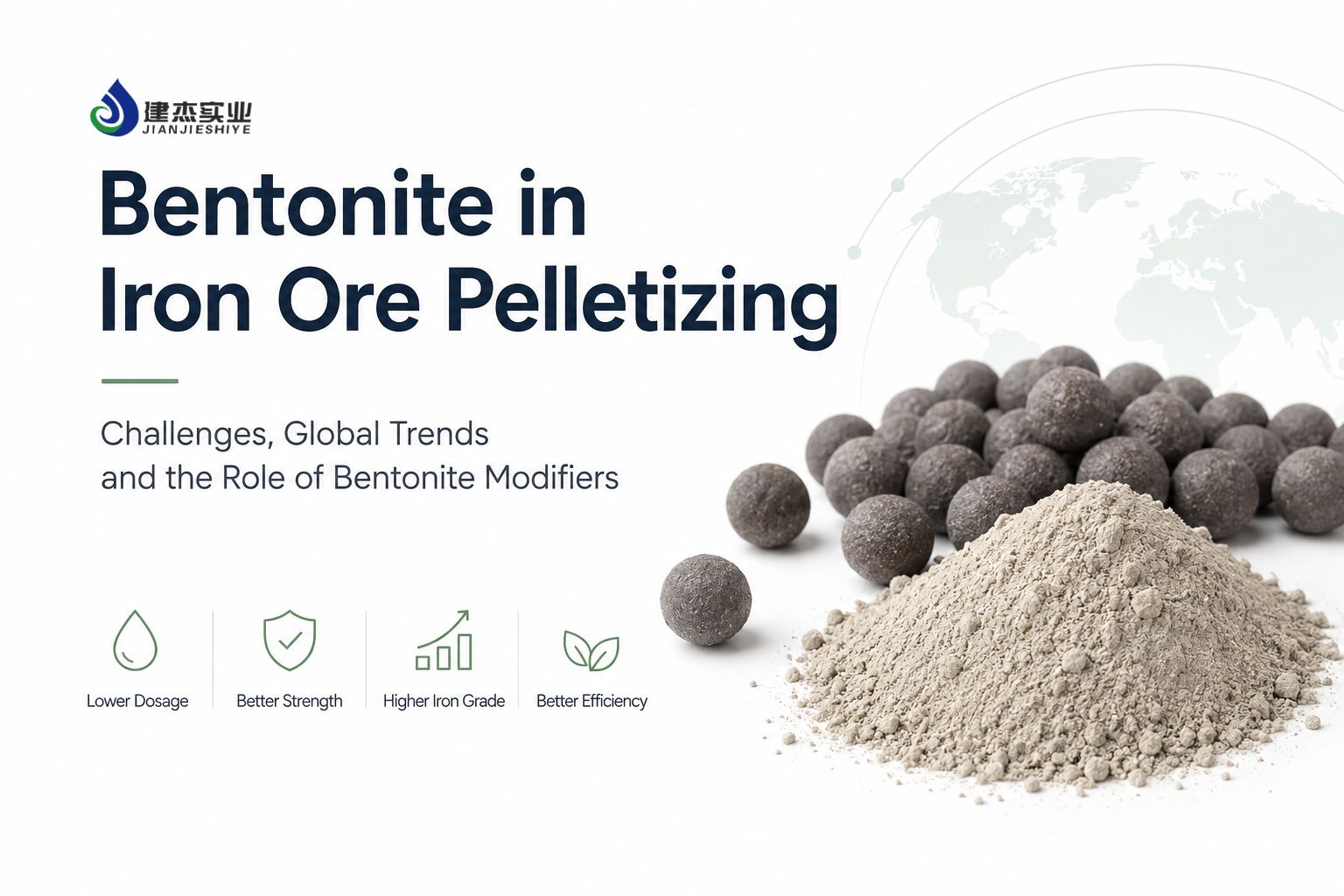
Pembuatan pelet is a key step in producing strong, uniform pellets from iron ore fines and concentrates. The perekat used in this process directly affects pellet quality, production efficiency, and overall operating costs.
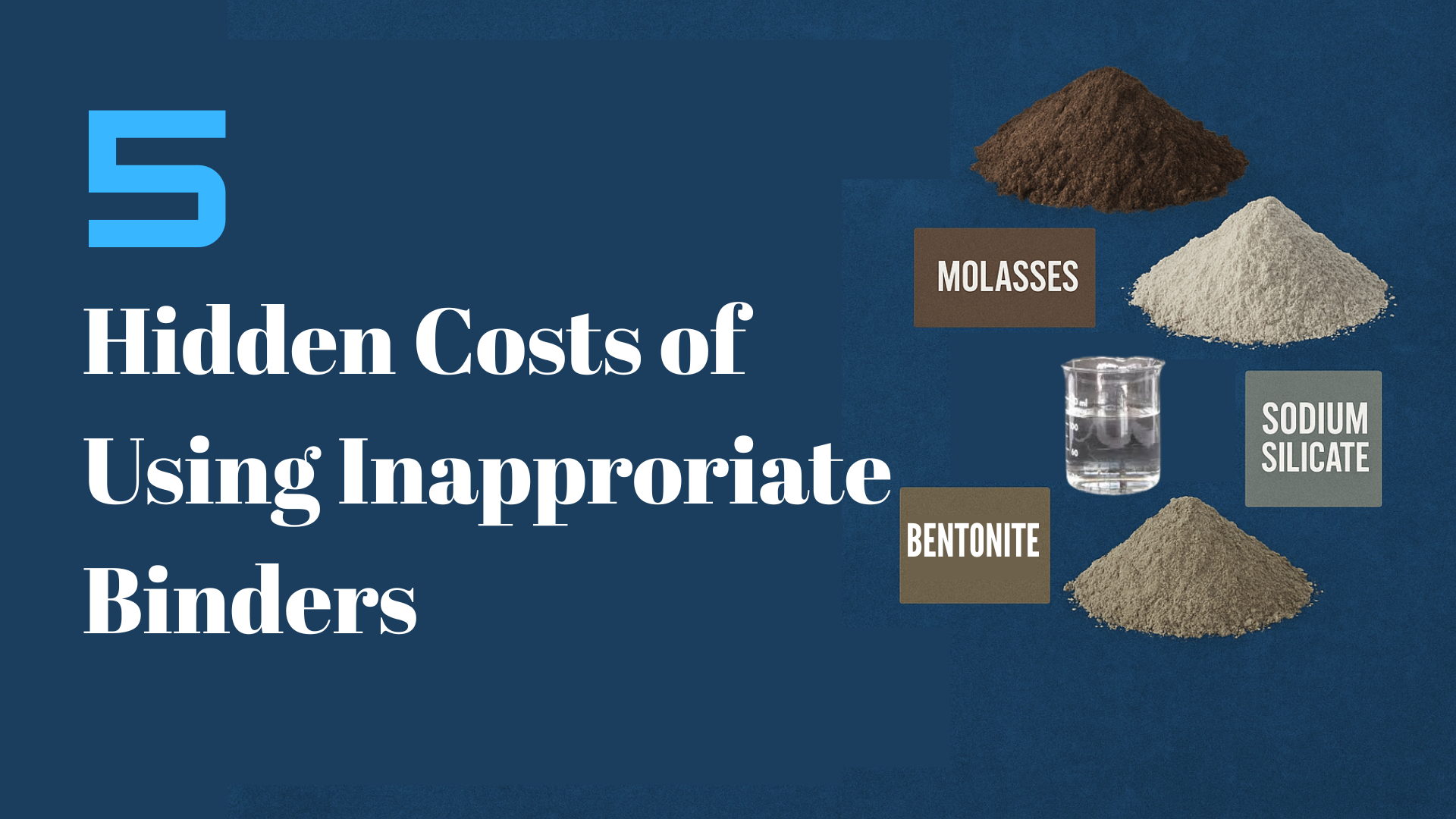
For many plants, traditional binders such as molasses, lime, sodium silicate (water glass), and bentonite remain in use due to their availability and lower purchase price. However, closer analysis reveals that these materials often introduce hidden costs that outweigh their apparent savings.
This article examines the limitations of traditional binders in pelletizing and explains why customized industrial binders are increasingly necessary for modern pelletizing operations.
1. Material Cost vs. Hidden Processing Cost
The unit price of molasses, lime, sodium silicate, or bentonite is relatively low, but the overall production impact must be considered:
- Molasses and lime: Usually used along with lime to increase the properties of iron ore pellets. Requires heating or dilution for proper handling, with additional logistics for storage due to its tendency to ferment. Moreover, using molasses may lead the mixture stick to the roller which increases processing cost (e.g. cleaning and maintenance)
- Sodium Silicate: Creates strong initial bonding but demands additional drying or curing energy.
- Bentonit: Adds silica and other impurities, lowering the Fe grade of finished pellets and reducing furnace efficiency.
Takeaway: A low unit price doesn’t mean low total cost. In pelletizing, the hidden expenses of processing, rework, and efficiency losses often outweigh initial savings.
2. Limited Adaptability to Different Raw Materials
Raw materials for pelletizing vary in mineral composition and fineness. Cheap binders often perform inconsistently across different ores:
- Molasses and lime are sensitive to moisture and chemistry variations.
- Sodium silicate can create shrinkage cracks if feed composition fluctuates. Its effectiveness is strongly influenced by different iron ore compositions, leading to inconsistent pellet quality and strength.
- Bentonit maintains bonding strength but introduces non-ferrous oxides that are undesirable in high-grade pellets.
Customized binders are formulated to match the chemistry of specific feedstocks, ensuring stable pellet quality and reducing the need for repeated process adjustments.
3. Pellet Strength and Mechanical Properties
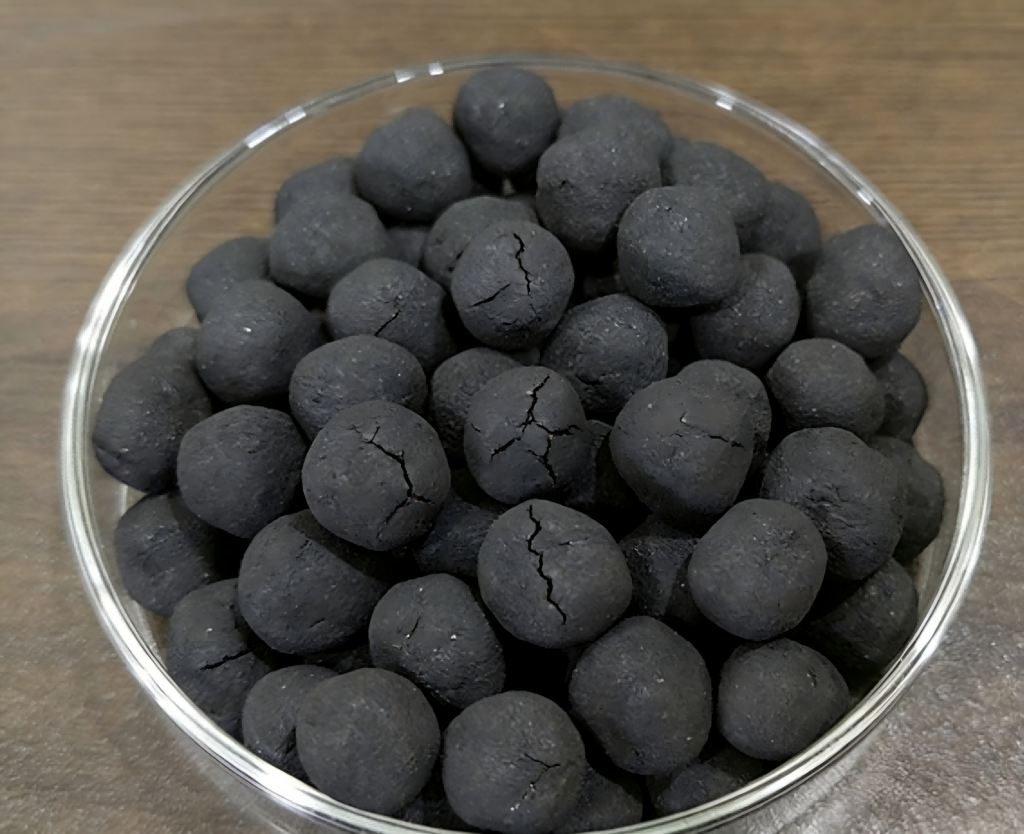
Broken pellets
Key quality indicators such as drop times, cold compressive strength (CCS), and thermal strength are directly influenced by binder type.
- Using Molasses and Lime: Lower mechanical strength and higher powdering rate.
- Using Sodium Silicate: Strong when fresh, but prone to cracking during drying. In addition, sodium silicate binders cure relatively slowly, and curing is affected by humidity and temperature. This makes it difficult to maintain consistent pellet quality, often resulting in insufficient strength or pellet breakage.
- Using Bentonite: Mechanically stronger, but with reduced metallurgical efficiency.
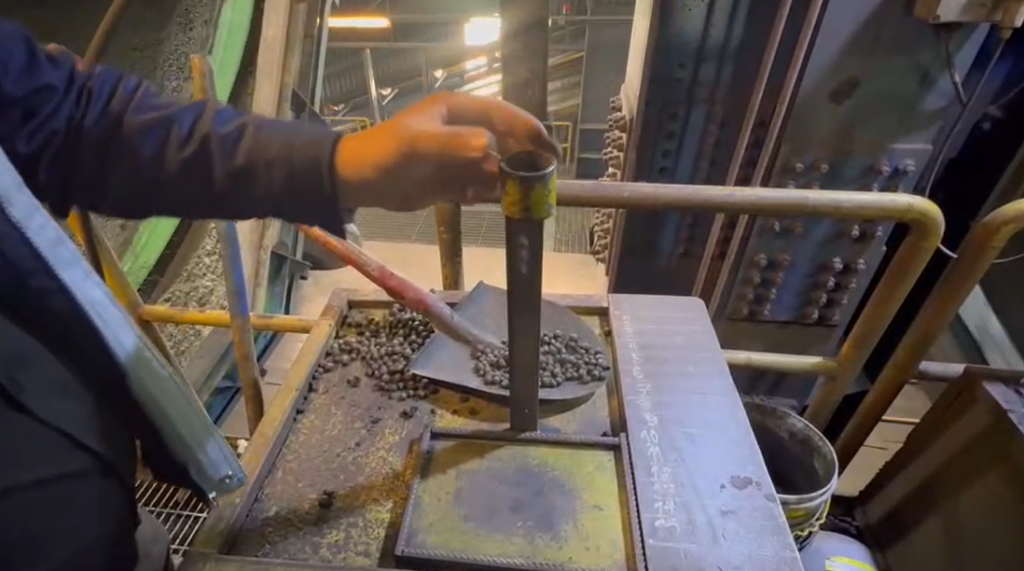
Iron Ore Pellets Doing CCS Test
Customized binder systems are designed to optimize pellet strength minimizing the purity compromisation, resulting in fewer fines, better transport stability, and improved furnace permeability.
4. Environmental and Compliance Considerations
Environmental regulations are tightening worldwide, placing new requirements on pelletizing plants. Traditional binders can increase compliance risks:
Molasses and lime: Fermentation generates odor and wastewater issues.
Sodium silicate: Can complicate wastewater treatment. Its curing process is also highly energy-intensive, creating both economic and environmental challenges. The high temperatures required for proper curing significantly increase the total energy consumption of pellet production, leading to higher costs and greater carbon emissions.
Bentonite: Adds impurities that increase waste discharge.
By contrast, tailored binder solutions can be engineered to reduce volatile emissions, minimize impurities, and align with environmental standards.
5. Economic Value of High-Quality Pellets
The economic impact of binder choice extends beyond production lines:
钢铁厂会产生诸如钢铁副产品之类的产品 钢粉、轧钢氧化皮、钢泥和钢渣
这些产品往往被堆积或丢弃,造成环境风险和资源损失。 建杰的冷压块技术
高级粘合剂
这些废料可以高效回收制成煤球,用作
| Bahan pengikat | Advantages | 助熔剂或冷却材料 |
| Molasses | 将废物转化为价值,同时提高 | 钢铁废料回收利用、能源效率和碳减排 |
| 钢铁废料(钢铁副产品)可通过冷压成型工艺加工成致密、耐用的煤球,适合在冶金炉中重复使用。 | 钢粉尘(除尘灰、电弧炉粉尘、高炉粉尘) | 钢渣 |
| Bentonit | 其他含铁废料 | 钢铁废料压块的关键挑战 |
钢铁厂面临着减少废料堆积和回收有价值材料的压力,但许多钢铁厂在储存、煤球质量和工厂稳定运行方面仍然面临障碍。
储存和处置问题 钢粉、炉渣和氧化皮会迅速堆积,占用大量场地空间,并产生高昂的仓储或填埋费用。由于其回收利用率有限,长期堆放既不可持续,又会加剧环境和监管压力。 不同的钢铁废料化学成分和颗粒大小各异,因此很难选择一种能够制成强度高、适用于炉烧的煤球的粘合剂。如果粘合剂不合适,煤球容易开裂,降低产量,并且无法满足炉烧要求。
煤球质量问题
压块作业挑战 水分不稳定、进料不均以及设备磨损常常导致压块性能不稳定。工厂难以维持生产的顺利进行,导致频繁的调整、停机以及压块质量的不一致。
建杰钢铁废料回收解决方案 建杰提供针对钢铁废料压块成型的一体化粘结剂技术和定制化技术服务。我们的解决方案着重于提高强度、可还原性和整体工艺效率。
定制化解决方案 每种钢铁废料的化学成分和特性都各不相同。建杰提供量身定制的粘合剂配方、工艺设置和设备指导,帮助工厂以最低的成本生产出强度高、可直接入炉的压块。
变废为宝 通过将粉尘、污泥、水垢和炉渣转化为高强度煤球,建捷帮助工厂降低存储成本,提高材料回收率,并从以前无法利用的废料中创造直接的经济价值。
压块支撑
Ringkasan
建杰提供全方位的工程支持——从水分控制到进料优化——帮助客户顺利运行压块生产线。这最大限度地减少了停机时间,提高了生产效率,并确保了压块质量的稳定性。
钢铁副产品压块粘合剂解决方案
- 在钢铁废料回收利用中,粘合剂对于将细小且成分不均的物料制成坚固稳定的压块至关重要。建杰的压块粘合剂经过精心设计,可提高粘结力、强度和成型稳定性,帮助钢铁厂和回收设施高效可靠地将钢粉、污泥和细料转化为可重复利用的压块。
- 钢铁废料压块指南与见解
- 探索涵盖钢铁废料特性、压块工艺、粘结剂选择和强度优化等方面的实用指南和技术见解。这些资源旨在帮助钢铁厂和回收设施提高压块质量、减少废料并实现稳定、经济高效的回收运营。
- 已经拥有压块机?正在寻找粘合剂解决方案?
请告诉我们您的 钢铁副产品类型 以及工作条件。我们的工程师将推荐最合适的方案。
用于您的压块工艺。 Hubungi kami 有原材料但没有完整的解决方案?