
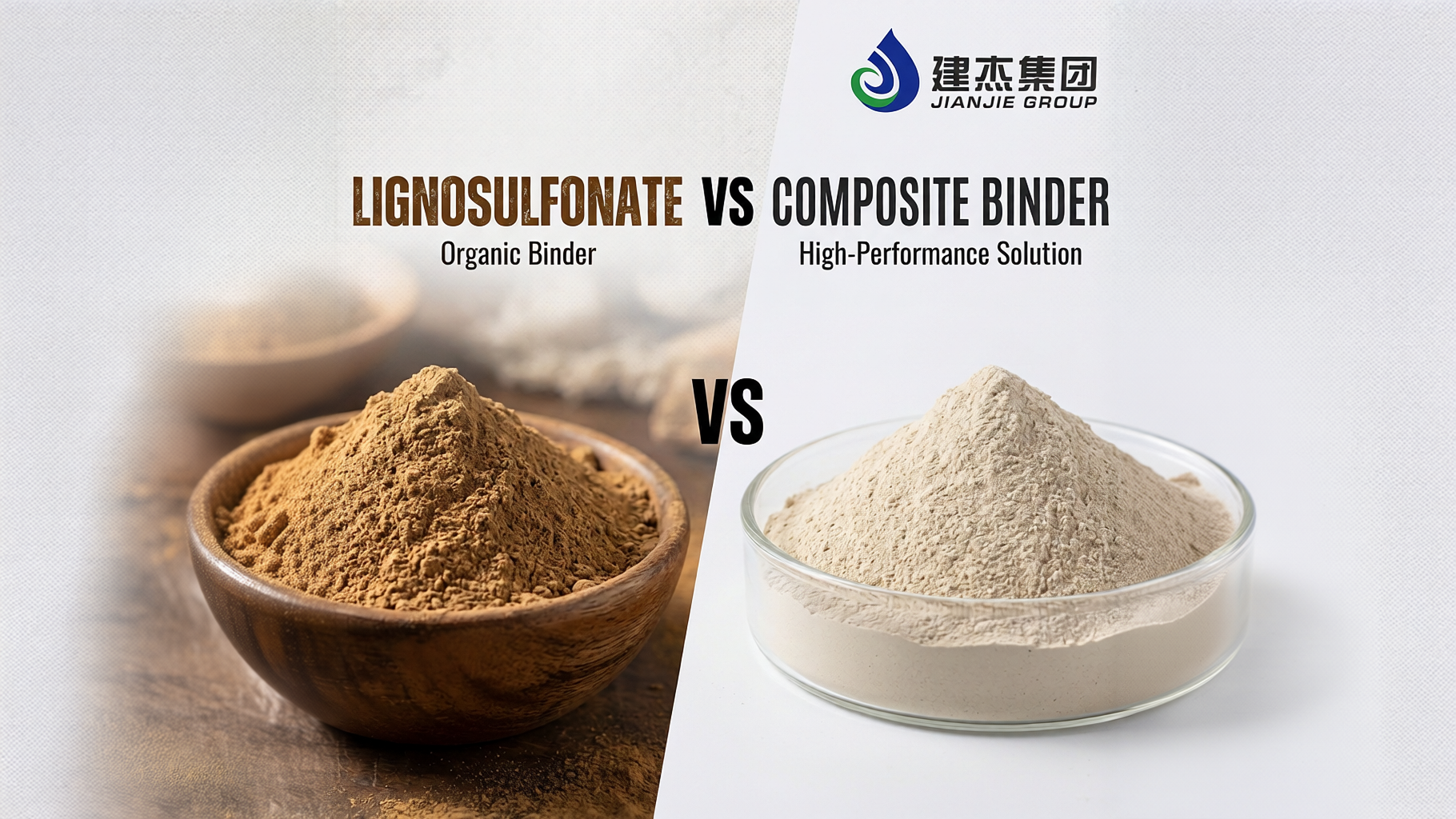
In industrial briquetting, selecting the right pengikat directly affects briquette strength, production efficiency, and environmental compliance. Many plants traditionally use chemical binders such as lignosulfonate because of their strong bonding performance and relatively low cost. However, as environmental standards tighten and steel plants seek cleaner recycling solutions, lignosulfonate is showing clear limitations—especially due to its sulfur content.
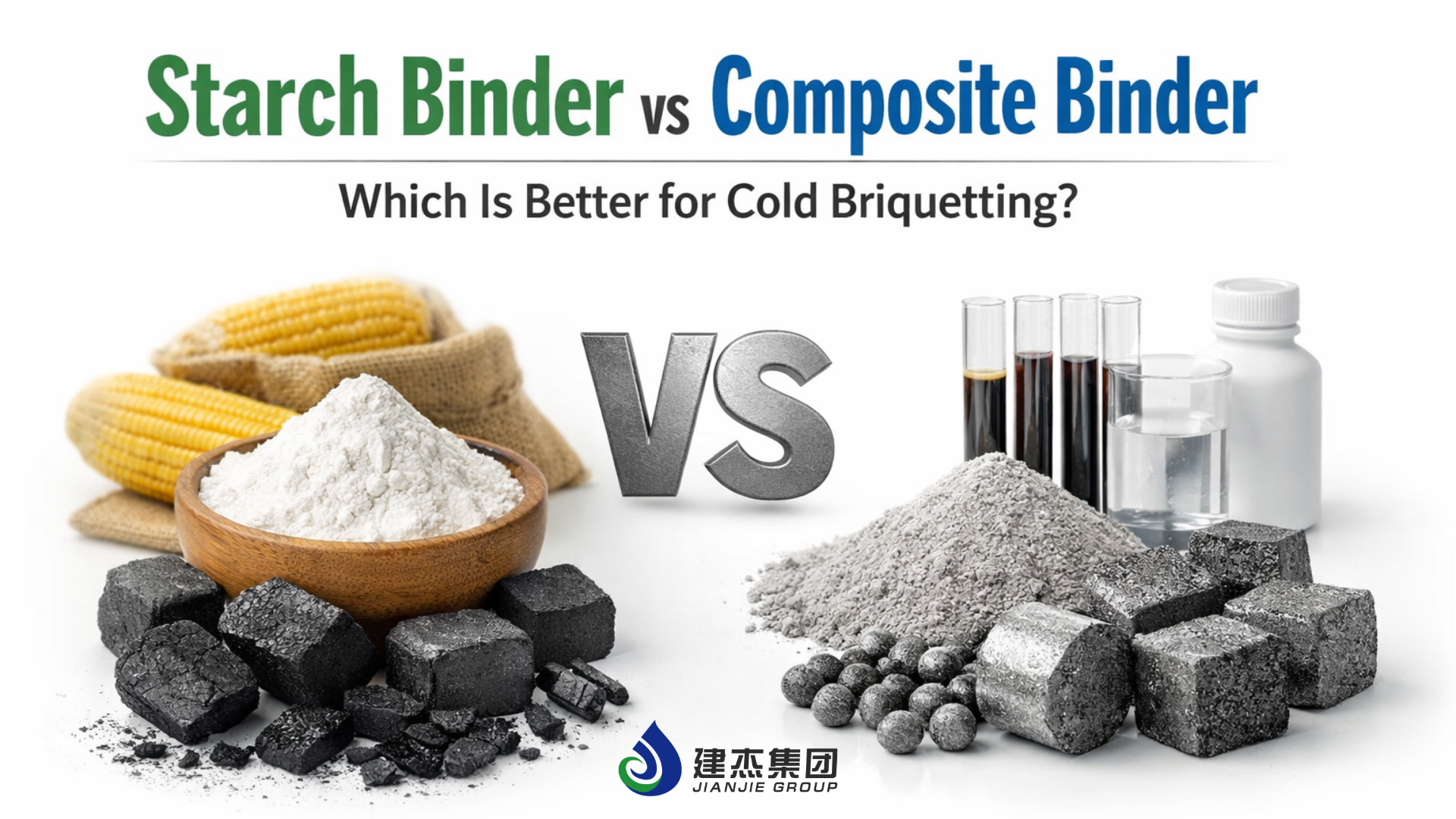
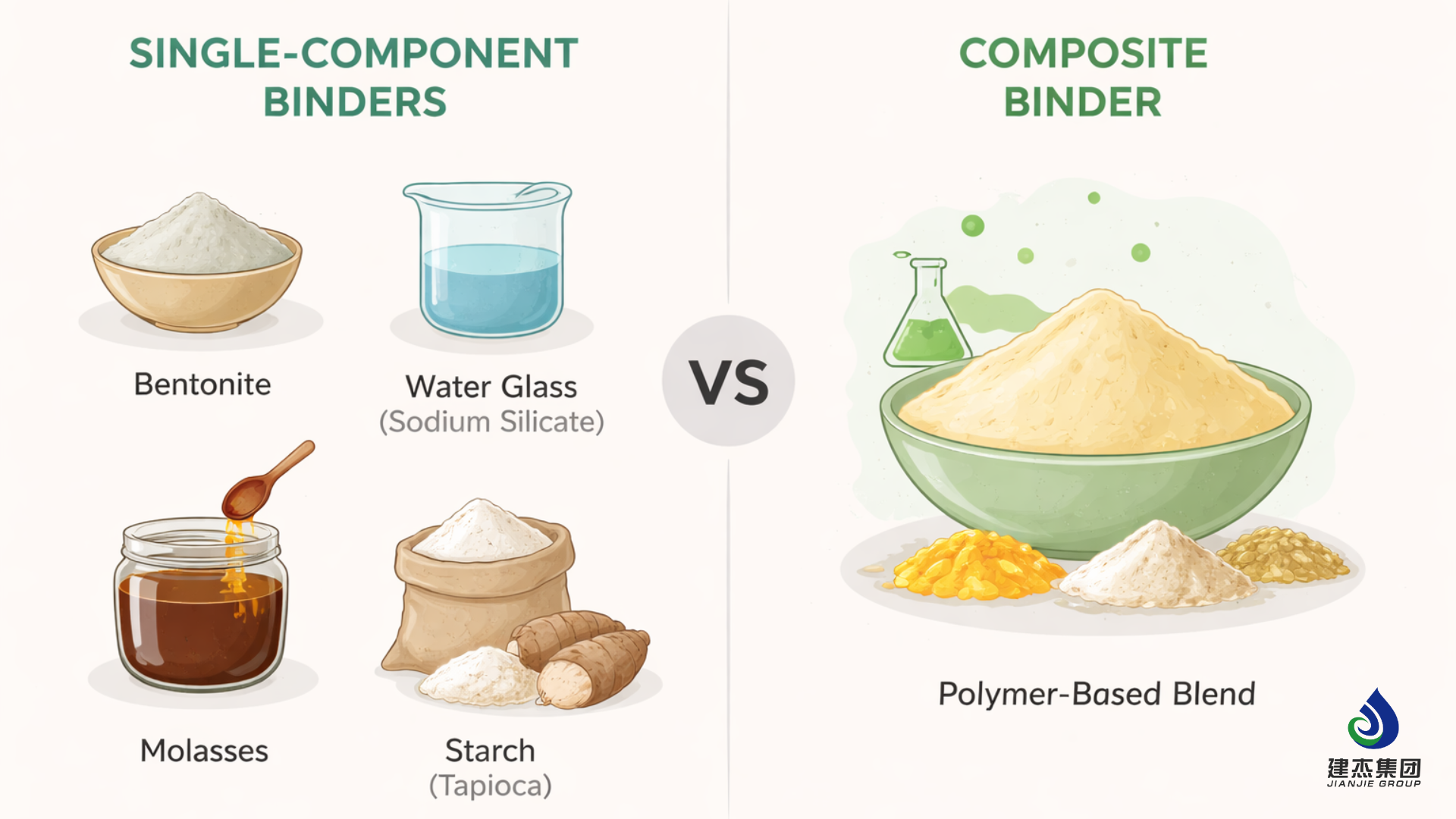
Today, more steel plants and recycling facilities are shifting toward pengikat komposit, which offer a more balanced and eco-friendly solution. Compared with single-component binders, composite binder systems are designed to optimize strength, reduce dosage, and improve compatibility with different steel byproducts.
For plants handling steel dust, mill scale, steel sludge, and other steel waste materials, choosing between lignosulfonate and composite binder is now a critical decision.
What Is Lignosulfonate?
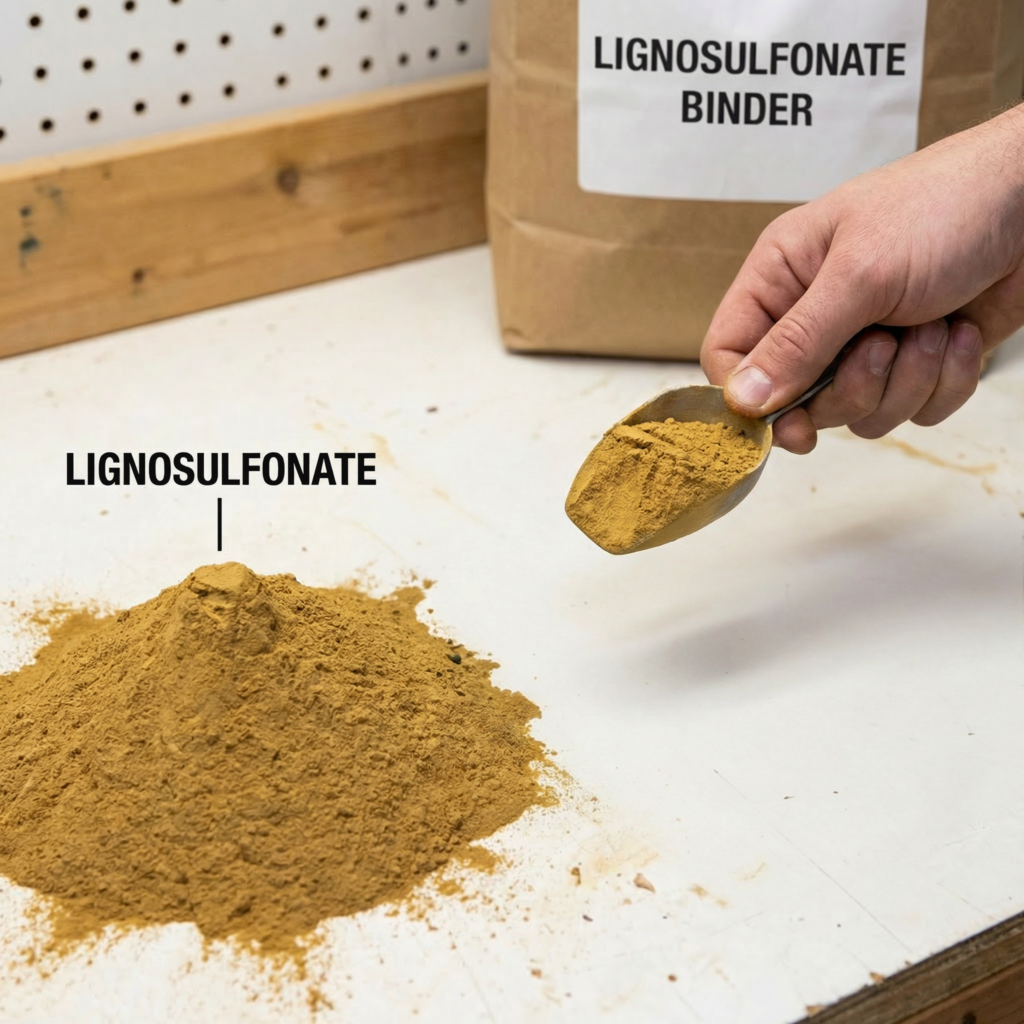
Lignosulfonate is a byproduct derived from wood pulp processing. It is widely used as a single-component binder in briquetting due to its adhesive properties and affordability.
Common Applications of Lignosulfonate
Lignosulfonate is commonly used in:
- Coal briquetting
- Mineral powder briquetting
- Low-cost industrial fuel briquettes
- Some metallurgical powder agglomeration processes
At a dosage of approximately 4–6%, lignosulfonate can form effective bonding strength and provides good moisture resistance.
Advantages of Lignosulfonate
- Strong adhesive performance
- Easy availability in many markets
- Good anti-moisture characteristics
Disadvantages of Lignosulfonate
Despite these benefits, lignosulfonate has major drawbacks:
1. Sulfur Content Creates Environmental Concerns
Because lignosulfonate contains sulfur, combustion may generate sulfur odor and sulfur-related emissions, which can affect furnace atmosphere and downstream steel quality.
2. Higher Ash Content
Its ash content typically ranges from 6–9%, which may negatively impact metallurgical processes.
3. Limited Application Scope
Due to odor and combustion residue, lignosulfonate is unsuitable for applications requiring cleaner burning or stricter emission standards.
For modern steel waste recycling systems, these disadvantages increasingly reduce its competitiveness.
What Is Composite Binder?
A composite binder is a multi-component formulation engineered to combine several binding agents into one optimized system. Unlike single-component binders, composite binders are customized to match raw material characteristics and production goals.
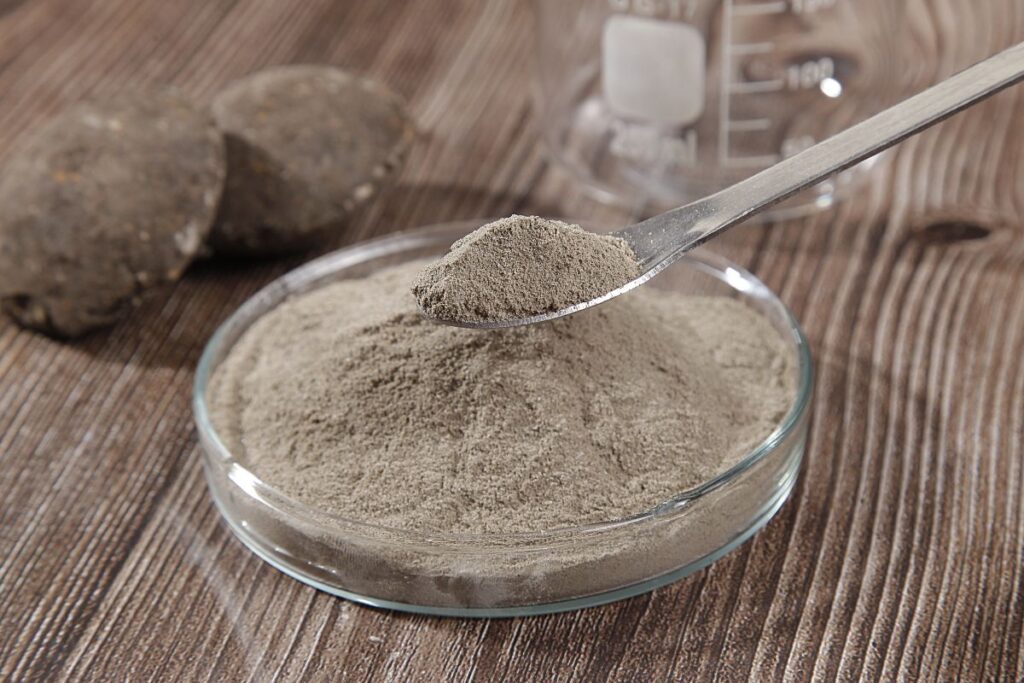
Dalam briket produk sampingan baja such as mill scale, steel sludge, and steel dust, composite binders provide superior adaptability and stable performance.
Common Applications of Composite Binder
Composite binders are widely used in:
- Steel waste recycling briquettes
- Mill scale briquetting
- Steel sludge agglomeration
- Dust recycling in steel plants
- Metallurgical cold briquetting systems
Advantages of Composite Binder
1. Lower Dosage Requirement
Composite binders often require lower addition rates than lignosulfonate while achieving equal or better strength.
2. Balanced Performance
They improve:
- Green strength
- Dry strength
- Cold compressive strength (CCS)
- Drop resistance
3. Eco-Friendly Formulation
Most advanced composite binders are sulfur-controlled or sulfur-free, reducing environmental impact.
4. Customized for Different Materials
Each steel waste material behaves differently. Composite binders can be tailored for specific feedstocks.
Possible Disadvantages
- Higher initial formulation complexity
- Requires technical testing for optimization
However, these are often offset by long-term cost savings and production stability.
Lignosulfonate vs Jianjie Composite Binder: Comparison Table
| Performance Factor | Lignosulfonate | Jianjie Composite Binder |
|---|---|---|
| Binder Type | Single-component binder | Multi-component composite binder |
| Typical Dosage | 4–6% | Lower optimized dosage (2-5%) |
| Kekuatan Briket | Moderate | High and stable |
| Cold Compressive Strength (CCS) | Limited consistency | Excellent consistency |
| Sulfur Content | Contains sulfur | Low sulfur / sulfur-controlled |
| Kandungan Abu | 6–9% | Lower ash contribution |
| Environmental Impact | Higher emissions concern | More eco-friendly |
| Material Adaptability | Limited | Highly customizable |
| Suitability for Steel Waste Recycling | Moderate | Highly suitable |
This comparison clearly shows why more steel plants are replacing traditional lignosulfonate with composite binder systems.
Jianjie Composite Binder for Steel Waste Briquetting
Jianjie Group specializes in advanced briket pengikat solutions for industrial briquetting applications, especially in steel waste recycling.
For materials such as:
- Skala pabrik
- Pemogokan baja
- Lumpur baja
- Steel dust
- Iron-bearing fines
Jianjie composite binder delivers strong, durable briquettes with optimized metallurgical performance.
Why Jianjie Composite Binder Stands Out
Customized Binders
Jianjie develops binder based on each customer’s raw materials and production targets.
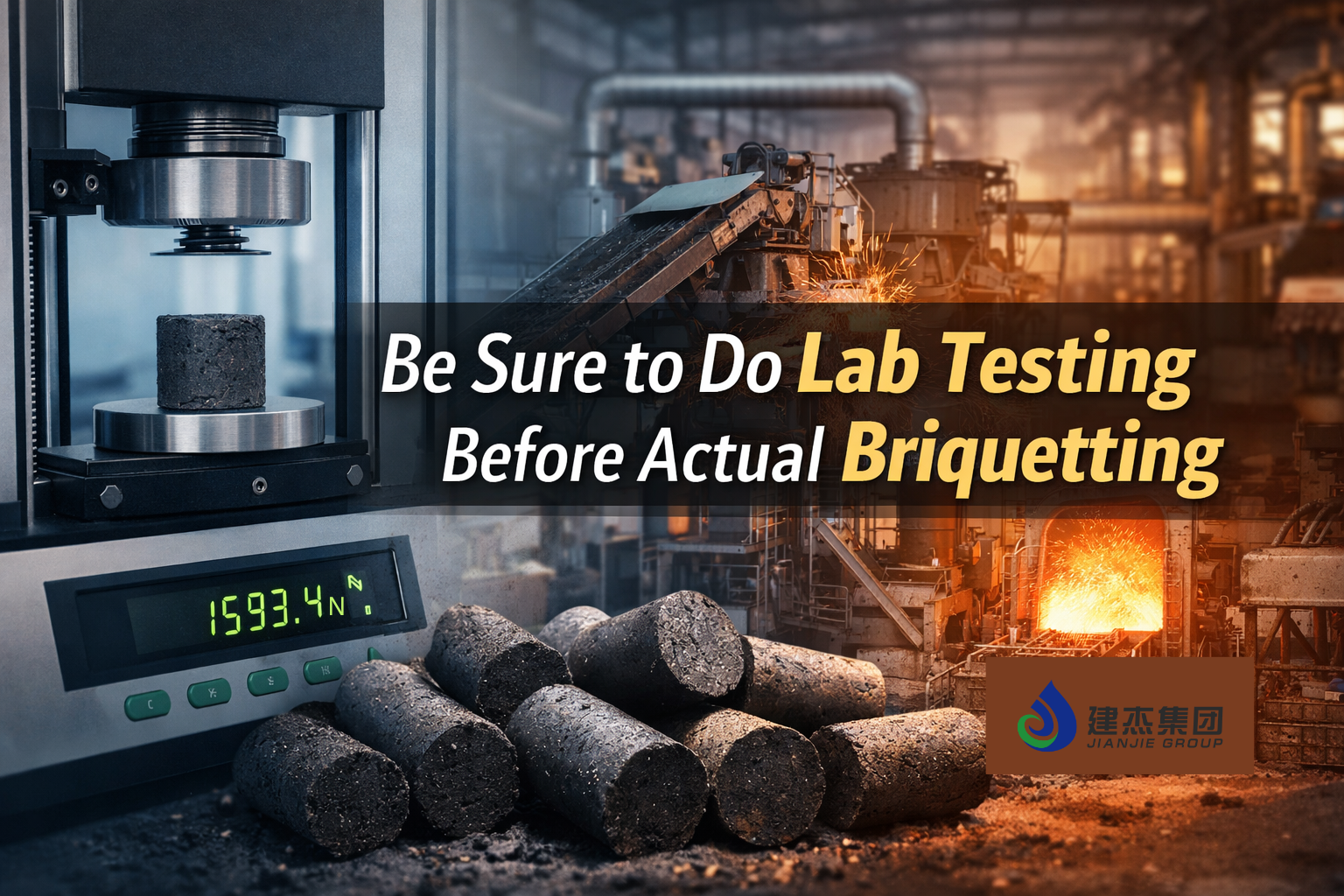
Lab Testing Support
Before full-scale production, Jianjie provides laboratory briquetting tests to verify:
- Binder ratio
- Strength performance
- Drying behavior
- Furnace compatibility
Integrated Technical Service
Jianjie offers:
- Binder recommendation
- Binder optimization
- Process guidance
- After-sales troubleshooting support
Proven Industrial Experience
Jianjie binders are successfully applied in multiple overseas steel plant recycling projects, helping customers reduce waste disposal costs and recover valuable metal resources.
Learn more about Jianjie’s steel waste binder solution here.
Summary: Which Binder Should You Choose?
Lignosulfonate remains a low-cost option for simple briquetting applications, but its sulfur content, ash residue, and environmental limitations make it less ideal for modern steel recycling needs.
For plants seeking:
- Higher briquette strength
- Lower dosage
- Cleaner production
- Better steel waste recycling efficiency
Composite binder is the smarter long-term choice.
Jianjie Group’s customized composite binder solutions help industrial plants achieve stronger briquettes, cleaner recycling, and better economic returns.
Contact Us for Further Support
Looking for the right binder for your steel waste briquetting project? Contact Jianjie today for customized testing and technical support.

Tinggalkan Balasan