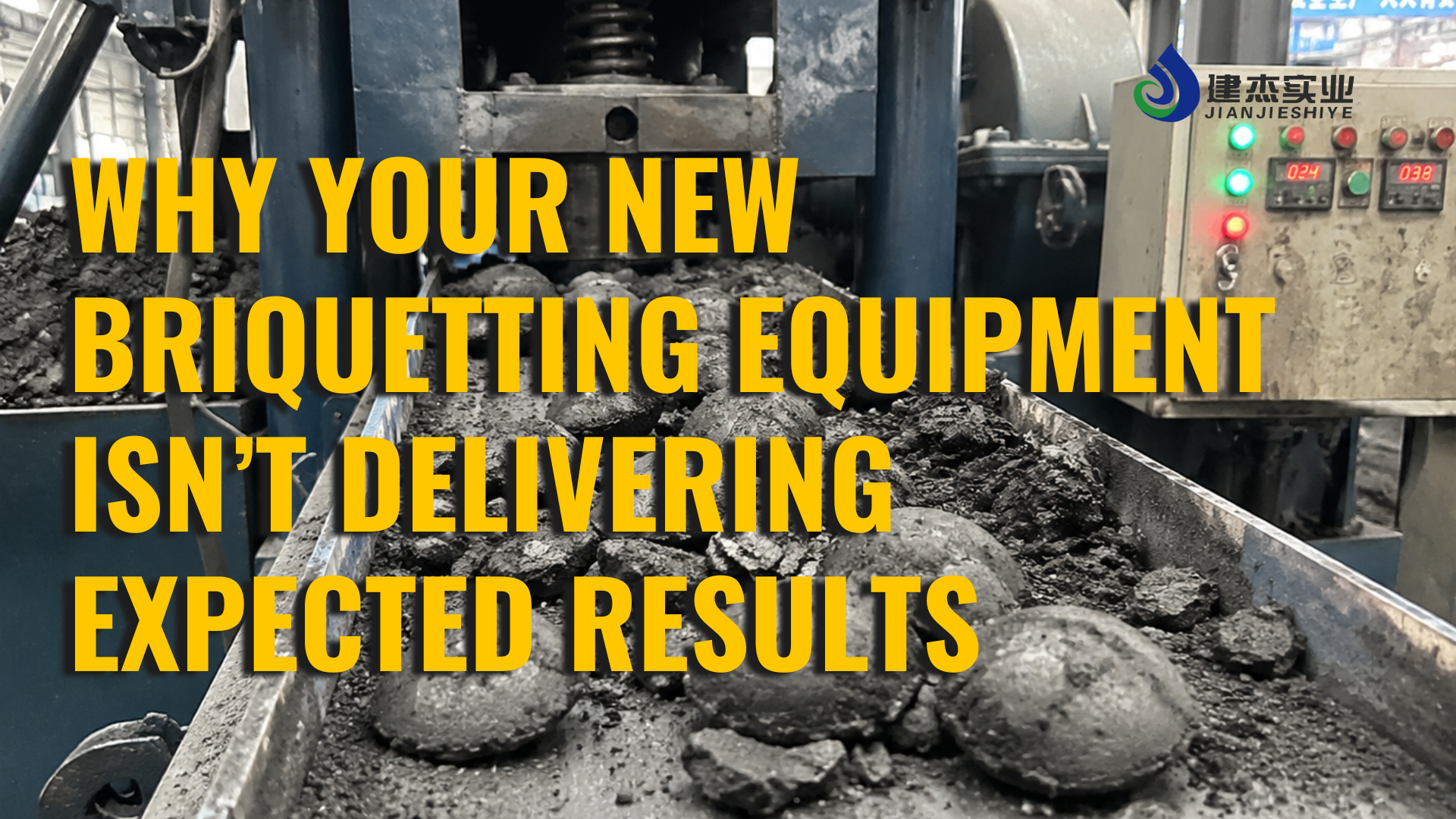
For decades, molasses has been one of the most widely used binders in coal briquetting, metallurgical briquetting, and mineral recycling projects. Its low cost and easy availability made it a popular choice for many plants.

However, as production standards become higher and operating costs continue to rise, more manufacturers are actively searching for a reliable molasses binder alternative.
Common complaints about molasses-based briquetting include:
- Briquettes absorb moisture easily during storage and transportation
- Mold growth and unpleasant odors
- Roller surface buildup and sticking
- Corrosion of briquetting equipment
- High moisture addition requirements
- Increased maintenance and cleaning costs
- Inconsistent briquette quality during seasonal weather changes
However, when looking for an alternative to molasses, do you know how to choose the right substitute for molasses in briquetting?
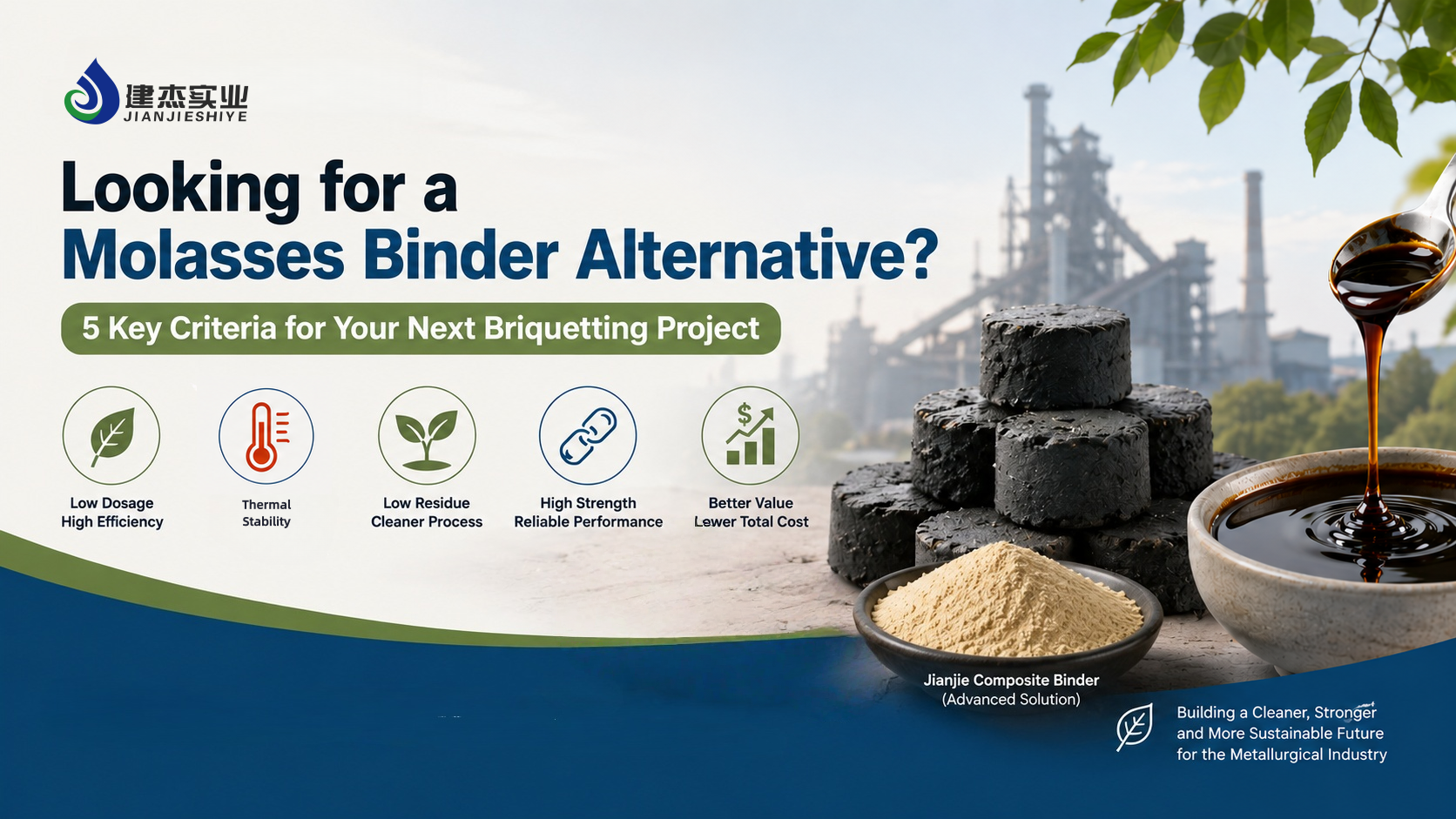
This article outlines 5 critical criteria that should be evaluated before selecting your next briquetting binder as well as the the reasons why you should choose Jianjie composite binder for your briquetting projects.
1. Low Binder Dosage
The first question to ask is:
How much binder is required per ton of material?
Many traditional binders require relatively high addition rates to achieve acceptable strength. For instance, some add 7-15% molasses binder to their production.
A good molasses replacement should deliver sufficient bonding strength at a lower dosage (Jianjie compostie binder dosage can be as low as 3%).
Benefits include:
- Lower transportation costs
- Reduced storage requirements
- Higher productivity
- Lower cost per ton of briquettes produced
When evaluating binders, compare the actual binder consumption required to achieve the target strength rather than simply comparing binder prices.
2. Thermal Stability at Elevated Temperatures
Many producers focus on briquette strength at room temperature but overlook how the binder performs when exposed to heat.
This is where traditional molasses-based binders often show their limitations.
Under elevated temperatures, briquettes bonded with molasses can soften, deform, or lose structural integrity as the organic components begin to break down. This can lead to excessive fines generation, handling losses, and reduced process efficiency.
A reliable briquetting binder should provide:
- Stable performance under elevated temperatures
- Strong structural integrity during heating
- Reduced cracking and deformation
- Better resistance to thermal stress
- Consistent briquette quality throughout the production process
Thermal stability becomes particularly important for metallurgical briquettes, direct reduction processes, and applications where briquettes are exposed to drying, preheating, or furnace environments.
3. Low Residue and Minimal Contamination
Many briquetting applications require strict control of impurities.
For metallurgical briquettes, excessive ash, sulfur, sodium, or other unwanted residues can negatively affect downstream processes.
A suitable molasses binder alternative should:
- Introduce minimal impurities
- Maintain product quality
- Support higher metal recovery rates
- Avoid negatively impacting furnace operations
Lower residue levels can also help improve overall process efficiency and product value.
4. High Green Strength and Dry Strength
Binder performance should not be judged solely by the strength of freshly formed briquettes.
A reliable binder must provide strength throughout the entire production cycle.
Key indicators include:
Green Strength
The ability of briquettes to withstand handling immediately after pressing.
Drop Resistance
The ability to survive conveying, stacking, and transportation.
Cold Compressive Strength (CCS)
The ability to maintain structural integrity after drying and storage.
Strong performance across all three areas helps reduce fines generation and improve briquette yield.
5. Total Cost of Ownership, Not Just Binder Price
Many producers focus only on binder purchase price because they consider binder as solely an addition to the raw material but neglect the importance of binder. Cheap binders can work but they might lead to a lot of additional cost.
The true cost of a binder includes:
- Binder consumption
- Equipment maintenance
- Roller wear
- Cleaning frequency
- Production downtime
- Briquette rejection rate
- Transportation losses
A binder with a slightly higher purchase price may actually deliver a significantly lower total operating cost if it reduces maintenance, improves yield, and extends equipment life.
For this reason, experienced briquetting operators evaluate binders based on overall economic performance rather than unit price alone.
Liquid Molasses vs Polymer Binder: What Is Changing?
When comparing liquid molasses vs polymer binder, many plants find that modern polymer-based technologies offer advantages in several key areas:
| Performance Factor | Molasses Binder | Modern Polymer Binder |
|---|---|---|
| Odor Generation | 높은 | 낮은 |
| Mold Risk | 높은 | 낮은 |
| Roller Buildup | Common | Minimal |
| Corrosion Risk | Higher | Lower |
| 결합제 복용량 | Relatively High | Typically Lower |
| Production Stability | Seasonal Variation | More Consistent |
While actual performance depends on material characteristics and process conditions, the industry trend is increasingly moving toward advanced composite and polymer-based binder systems.
A Modern Alternative: Composite Briquetting Binders
Composite briquetting binders combine multiple bonding mechanisms to improve both green and dry strength while reducing many of the disadvantages associated with traditional molasses systems.
These binders are increasingly used in:
- Coal briquettes
- Coke breeze briquettes
- Iron ore briquettes
- Mill scale briquettes
- Steel plant waste recycling
- Metallurgical dust briquettes
Compared with conventional molasses binders, advanced composite formulations can offer:
- Lower dosage requirements
- Better thermal stability
- Reduced equipment fouling
- Cleaner operation
- Lower impurity introduction
- More stable production performance
The result is often higher briquette quality and lower overall operating costs.
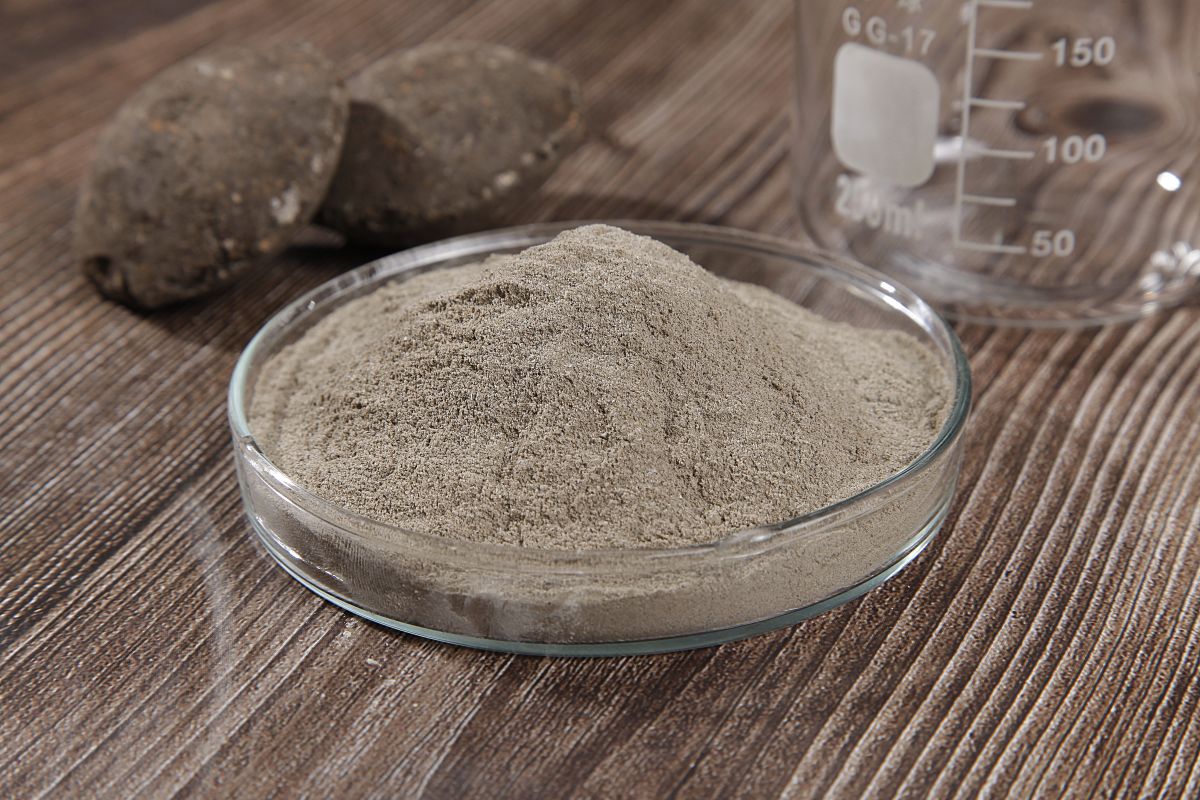
Jianjie Composite Binder for Briquettes
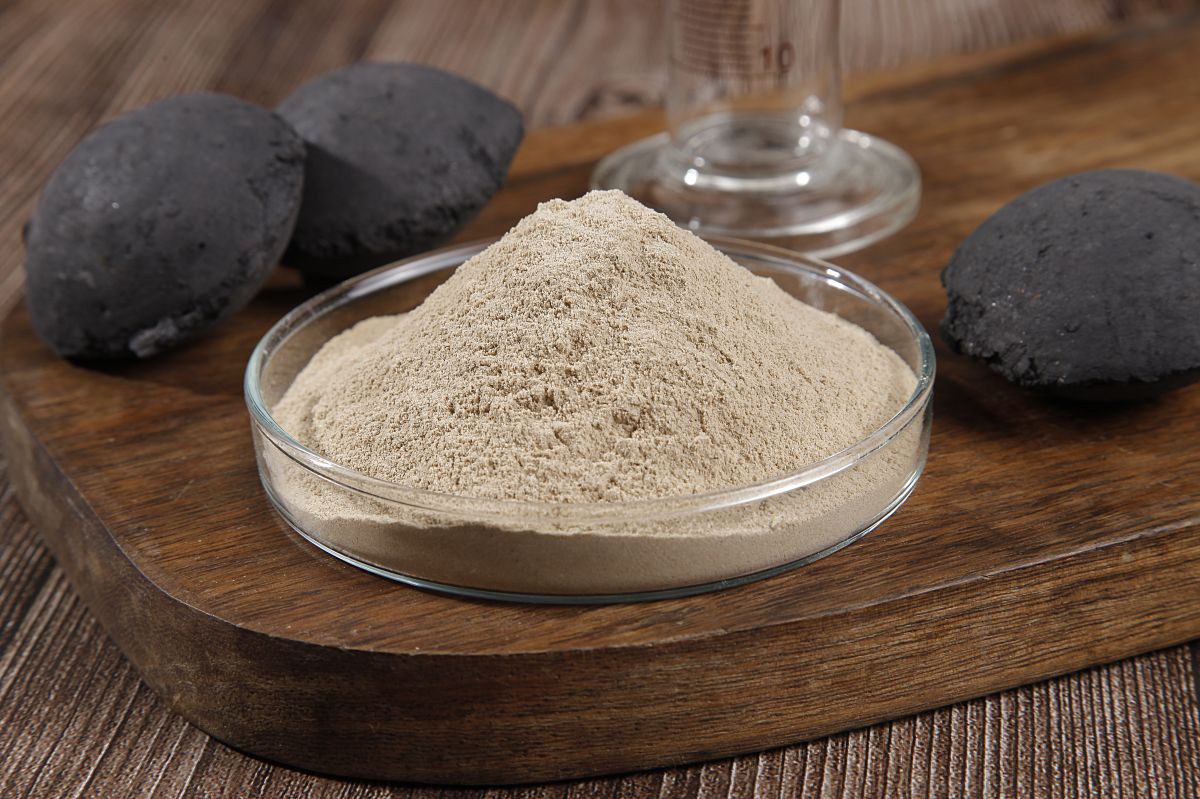
Jianjie has developed a range of polymer-based composite binders designed for steel waste, coal, metallurgical, and industrial briquetting applications.
Our binder solutions help producers:
- Improve briquette strength
- 벌금 발생 건수 감소
- Lower binder consumption
- Minimize roller sticking
- Improve water resistance
- Reduce maintenance costs
- Achieve more stable long-term production
Each product can be customized according to the specific raw material, moisture level, briquetting equipment, and strength requirements.
Conclusion
If you are currently facing issues such as mold growth, excessive moisture, roller buildup, equipment corrosion, or high maintenance costs, it may be time to explore a more advanced molasses binder alternative.
Rather than choosing a substitute based solely on price, evaluate potential binders using the five criteria discussed in this article:
- Low binder dosage
- Thermal stability
- Low residue content
- High green and dry strength
- Total cost of ownership
The right binder can improve briquette quality, reduce operating costs, and create a more reliable production process.
Need Help Selecting the Right Briquetting Binder?
Send us your raw material information, briquette specifications, and production targets. Our technical team can recommend a customized binder solution and arrange laboratory testing.
Stay updated with the latest coal briquetting tips, case studies, and industrial solutions:
Follow us on LinkedIn for industry insights and updates.
Subscribe to our YouTube channel for demo videos, tutorials, and success stories.