
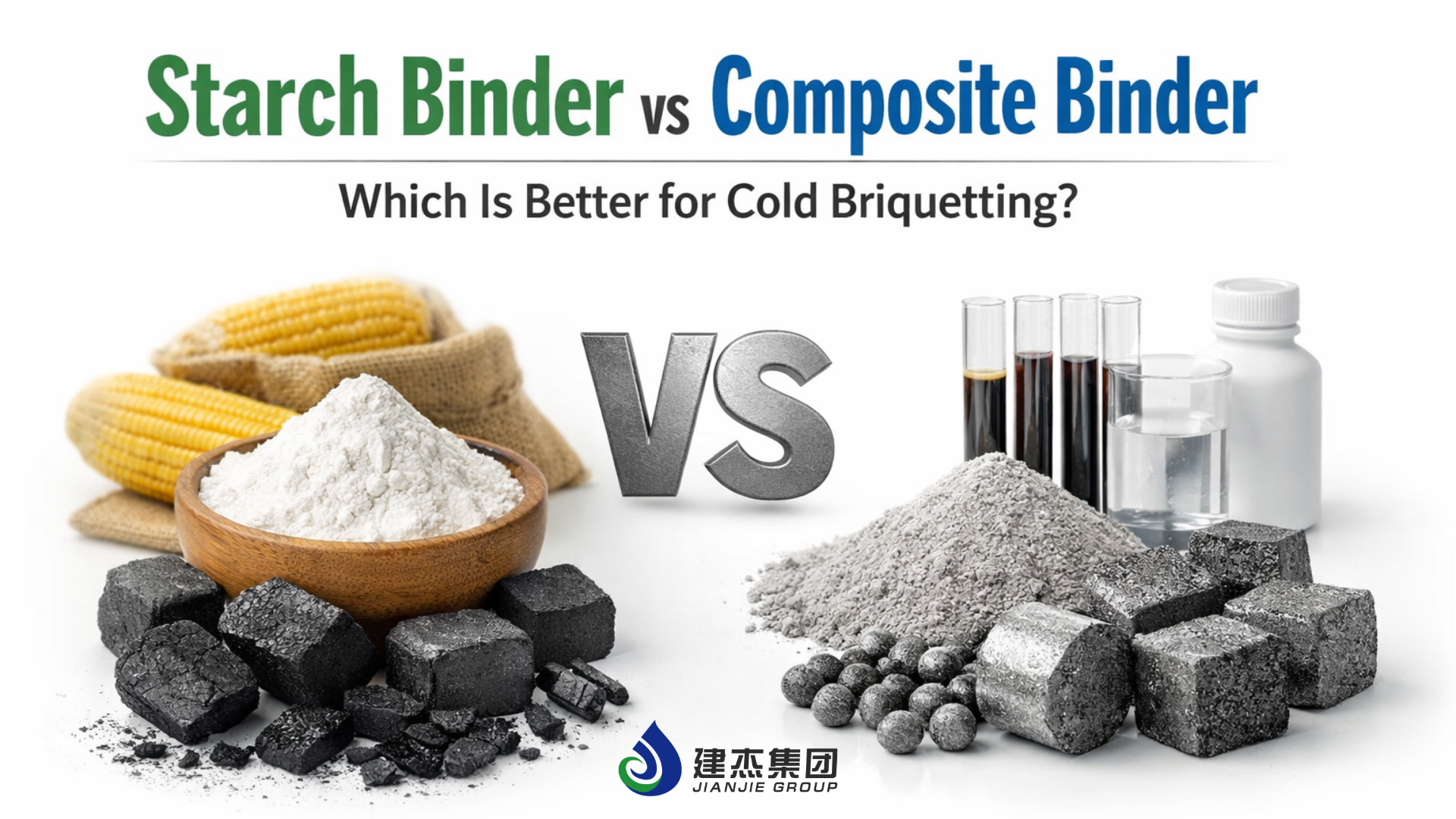
冷压块 has become an essential process in industries such as steelmaking, mining, and fuel production. Whether dealing with steel mill dust, iron ore fines, or coal, the quality of briquettes largely depends on one key factor: the binder.
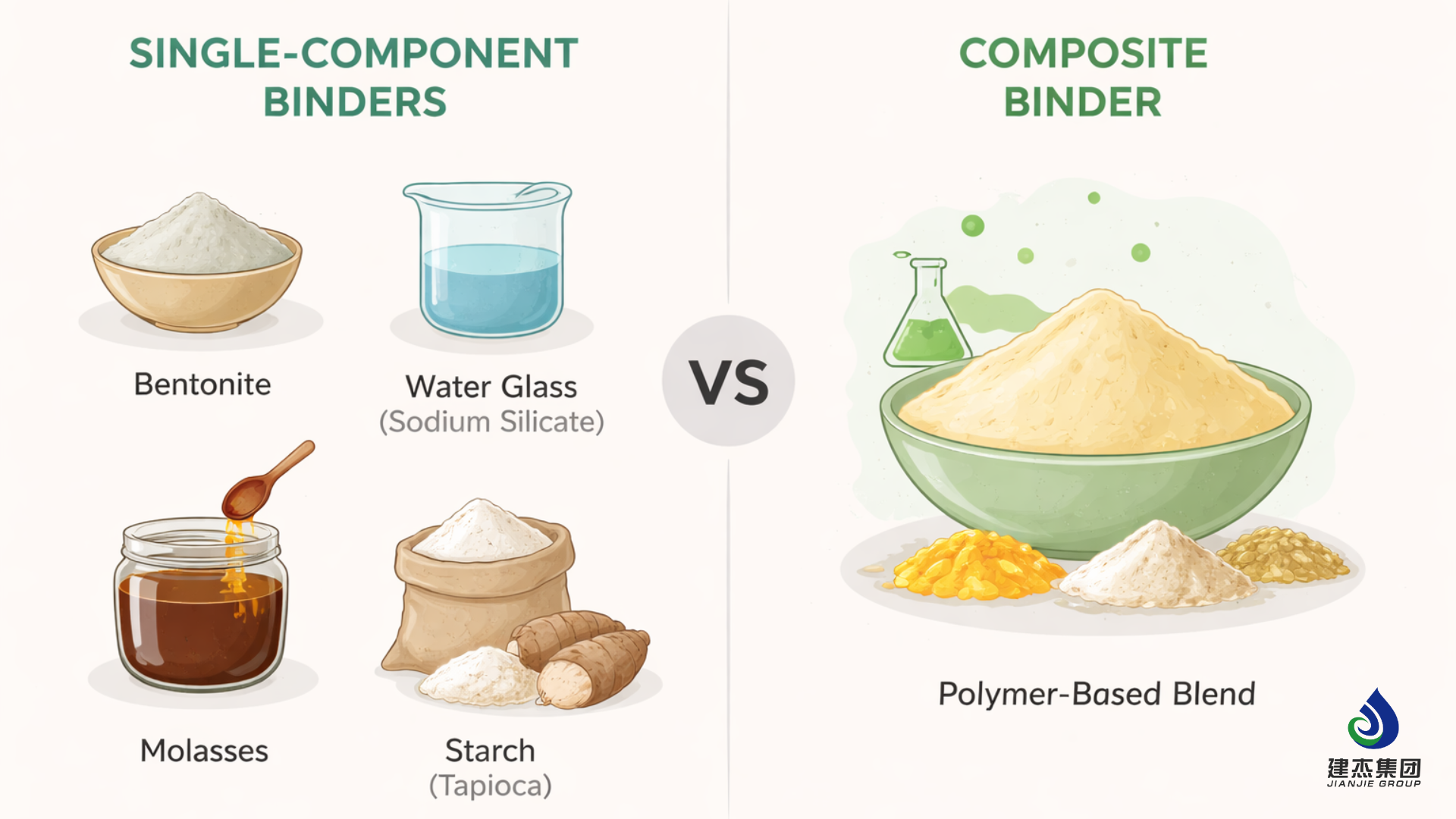
Among the many options available, starch binder has long been a popular choice due to its low cost and availability. However, as a typical single-component binder, its performance can be limited in more demanding applications.
With increasing requirements for higher strength, better durability, and improved furnace performance, composite binder solutions are gaining traction as a more advanced alternative.
So, which one truly delivers better performance in cold briquetting? This article provides a detailed comparison to help you make the right decision.
What Is a Starch Binder?
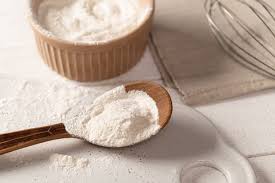
A starch binder is a natural adhesive derived from materials such as corn, tapioca, or potato starch. As a typical single-component binder, it relies on a single active ingredient to provide bonding strength.
It works by gelatinizing in the presence of water and heat, forming a sticky matrix that binds fine particles together.
Due to its simplicity and low cost, starch binder is widely used in:
- Coal briquettes
- Charcoal and biochar briquettes
- Low-strength agglomeration processes
Its main advantages include easy handling, renewable sourcing, and relatively low upfront cost. For many small-scale or cost-sensitive operations, starch binder serves as an accessible starting point.
However, its performance limitations become more apparent in demanding industrial environments.
What Is a Composite Binder?
A 复合粘结剂 is an engineered solution made from a combination of organic and inorganic materials, often including polymers and functional additives. Unlike single-component binders, composite binders are designed to match specific raw materials and process conditions.
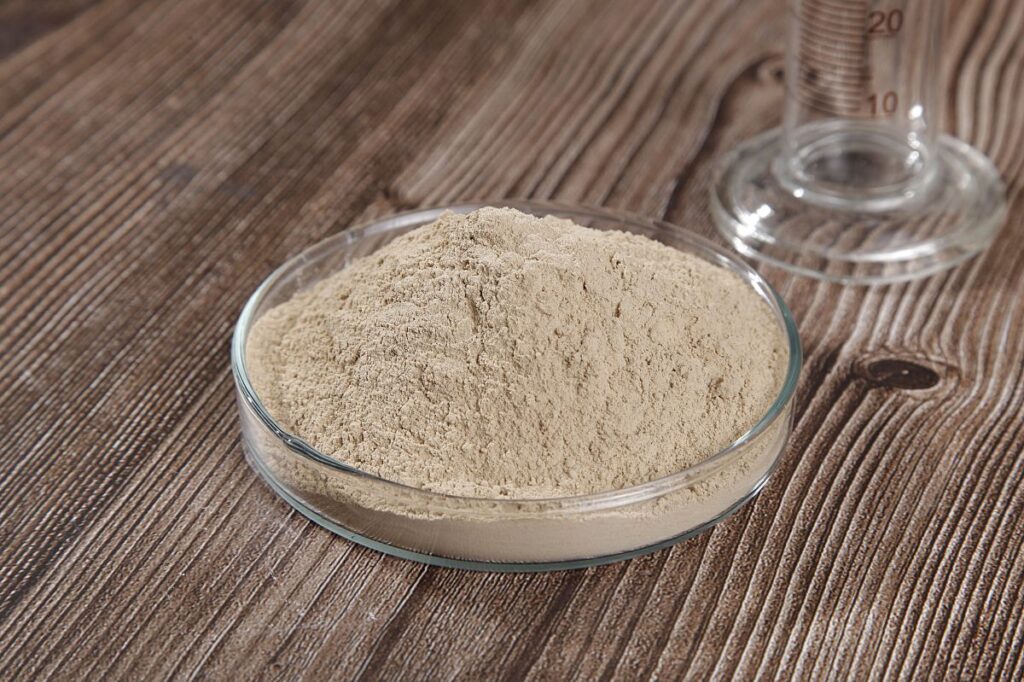
建杰复合粘结剂
Key characteristics include:
- Adjustable formulation based on raw materials
- Enhanced bonding performance
- Improved resistance to moisture and temperature
In modern briquetting operations, especially in industrial applications, composite binders are increasingly used to achieve consistent and high-quality results.
Key Performance Comparison
1. Bonding Strength
Starch binder provides acceptable initial bonding strength but tends to produce briquettes that are more fragile under pressure or impact. For example, charcoal is fairly fragile and it’s always a difficult thing to improve its strength. This often leads to breakage during handling and transportation.
In contrast, composite binders deliver significantly higher mechanical strength, ensuring briquettes maintain integrity throughout the supply chain.
2. Moisture Resistance
One of the main drawbacks of starch binder is its sensitivity to moisture. Briquettes can absorb water from the environment, leading to reduced strength and structural instability.
Composite binders, however, can be formulated with moisture-resistant properties, making them more reliable in humid environments or long-term storage conditions.
3. High-Temperature Behavior
In processes involving elevated temperatures, such as rotary hearth furnaces (RHF) or sintering, starch binder tends to decompose quickly, compromising briquette performance.
Composite binders are specifically engineered to withstand high temperatures, maintaining structural integrity and supporting consistent furnace performance.
4. Binder Dosage
Starch binder typically requires a relatively high dosage, often ranging from 5% to 10% or more, depending on the material.
Composite binders, due to their higher efficiency, usually require a lower addition rate. For example, the dosage of Jianjie composite binders for briquettes ranges from 3-5%. This not only reduces material consumption but also improves overall process efficiency.
5. Overall Cost Efficiency
While starch binder appears cost-effective at first glance, its higher dosage, material loss, and potential for breakage can increase total operational costs.
Composite binders, despite a higher unit price, often deliver better cost efficiency in the long run by reducing waste, improving yield, and enhancing product quality.
The cheapest binder is not always the most cost-effective solution.
Below is a comparison table between starch binder and composite binder:
| 性能 | Starch Binder | 复合粘合剂 |
|---|---|---|
| Bonding Strength | Low | Higher |
| Moisture Resistance | Sensitive to moisture | Moisture-resistant |
| High Temperature Behavior | Can’t resist high temperature | Withstand high temperature |
| Binder Dosage | 5-10% | 3-5% |
| Overall Cost Efficiency | Higher dosage, higher cost | Lower dosage, better performance, lower overall cost |
Application Scenarios: When to Use Each Binder
When Starch Binder Is Suitable
- Coal and charcoal briquettes
- Low-strength applications
- Short-term usage with minimal handling
When Composite Binder Is Preferred
- Steel waste and industrial by-products
- Iron ore, manganese, or chrome fines
- Coal, biochar, coke fines
- High-temperature processes (e.g., RHF)
- Applications requiring high strength and durability
Common Problems with Starch Binder
Many operators encounter recurring issues when using starch binder, such as:
- Why do briquettes crack during drying?
- Why do briquettes break during transportation?
- Why is binder consumption so high?
In many cases, these problems are directly related to the inherent limitations of starch-based binders, particularly in demanding production environments.
Industry Trend: Moving Toward Engineered Solutions
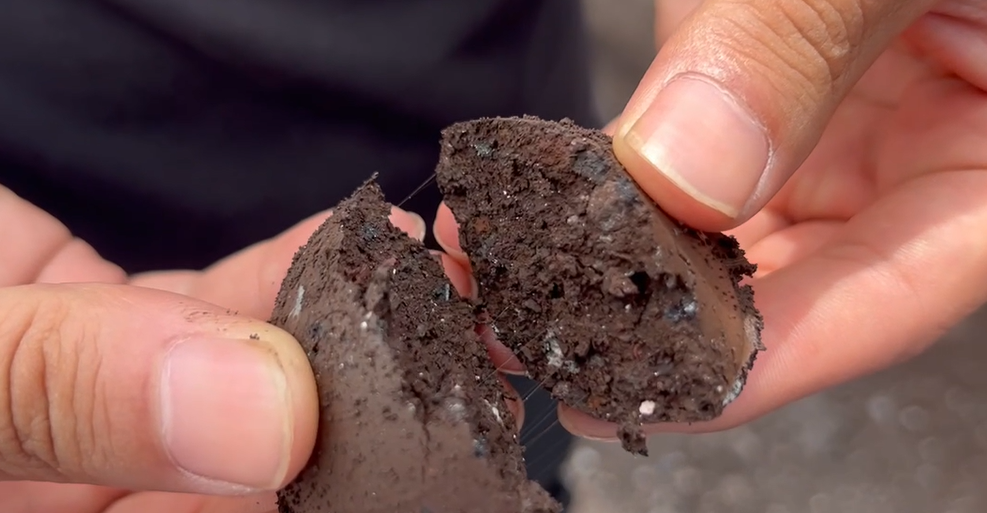
Well-Briquetted Briquettes
As industries place greater emphasis on efficiency, sustainability, and cost control, there is a clear shift from traditional single-component binders to composite binder systems.
Manufacturers are increasingly recognizing the value of customized solutions that address specific raw materials, production conditions, and performance requirements.
How to Choose the Right Briquetting Binder
Selecting the right binder depends on several key factors:
- Type of raw material
- Required briquette strength
- Exposure to moisture or weather conditions
- Whether the briquettes will undergo high-temperature processing
- Total cost structure, not just binder price
In many cases, a tailored composite binder solution provides the best balance between performance and cost.
You can check Jianjie’s binder selection guide here.
结论
Both starch binder and composite binder have their place in cold briquetting. Starch binder remains a practical choice for simple, low-cost applications, while composite binders offer superior performance in more demanding industrial scenarios.
Ultimately, there is no one-size-fits-all solution. The key is to match the binder to your specific process requirements.
Looking to improve briquette strength, reduce binder consumption, or optimize your production process?
联系人 Jianjie for customized briquetting binder solutions and technical support tailored to your needs.

 Chinese
  English
  Arabic
  Russian
  Indonesian
发表回复