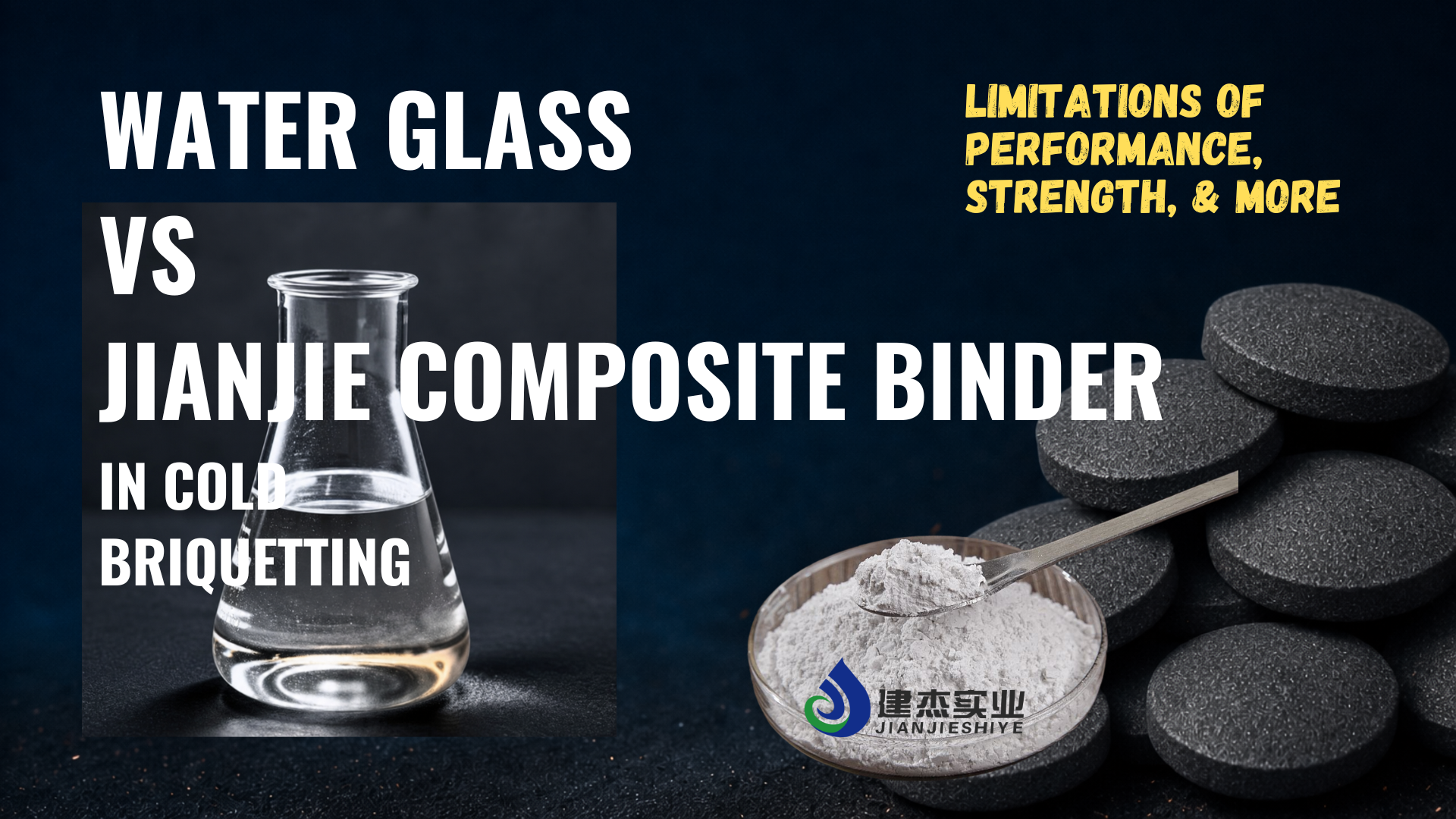
In the 冷压块 industry, choosing the right binding agent (binder) can directly affect briquette strength, transportation performance, recycling efficiency, and production costs.
For many years, the single-component binder water glass, also known as sodium silicate binder, has been widely used in steel waste recycling, coal briquettes, mineral powder briquetting, and iron ore fines agglomeration. Its low price and high dry strength make it a common traditional option.
However, as steel plants place greater emphasis on continuous production, environmental requirements, and briquette quality, more companies are beginning to reconsider the limitations of water glass binding agents.
So, how does water glass compare with a modern composite binding agent?
What Is a Water Glass Binder?
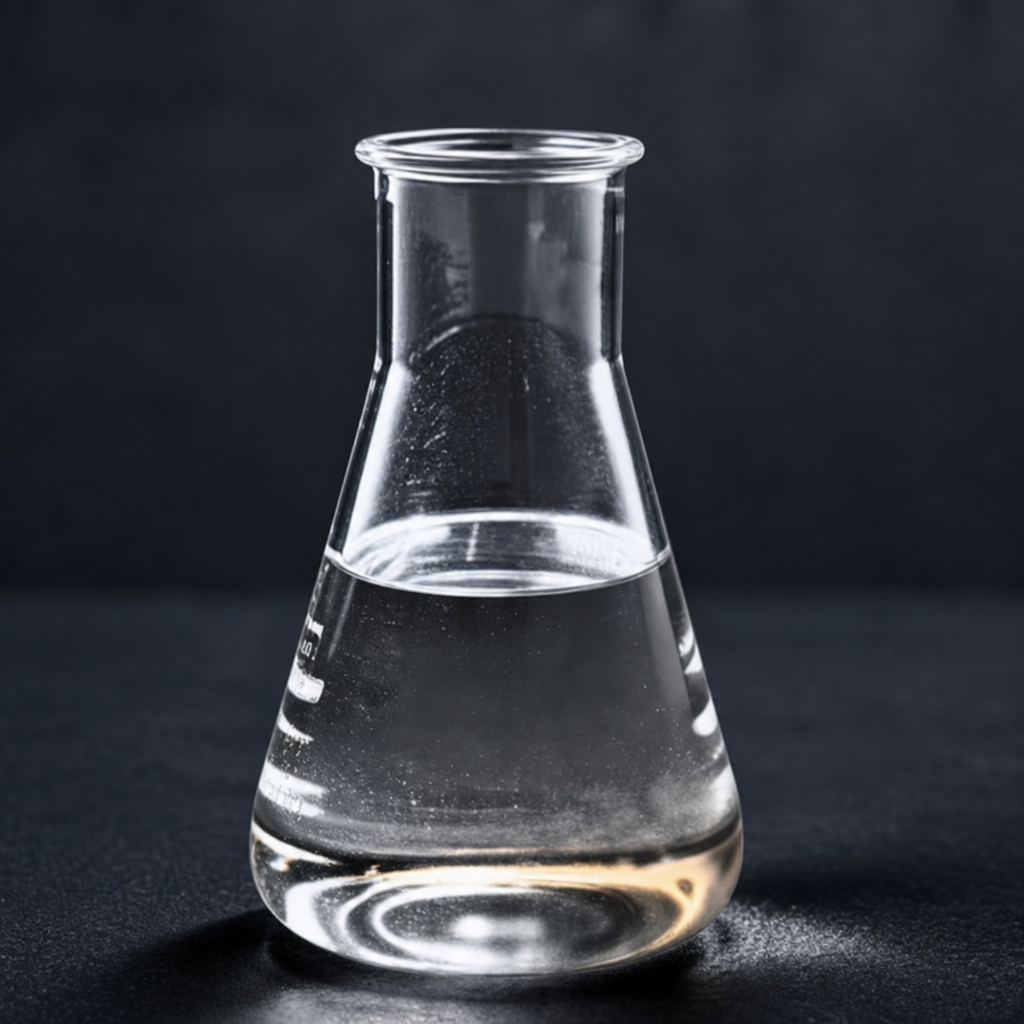
Water glass, or sodium silicate, is an inorganic liquid binder commonly used in cold briquetting processes. It works mainly through a dehydration hardening mechanism.
During drying, water gradually evaporates and silicate gel structures form inside the briquette, creating bonding strength. After complete drying, briquettes made with water glass can achieve relatively high cold compressive strength (CCS).
Because of its availability and low cost, water glass has long been used in:
- Steel mill waste briquetting
- Coal briquette production
- Iron ore fines agglomeration
- Mineral powder pelletizing
However, its bonding mechanism also creates several practical limitations during production and transportation.
Main Problems of Water Glass Binding Agents
Poor Wet Strength Before Drying
One of the biggest disadvantages of water glass binder is its low wet strength.
Since the bonding force mainly develops after dehydration, wet briquettes often remain weak before moisture is fully removed. Inside the briquette, the silicate gel network is not yet completely formed, resulting in limited bonding ability during the early stage.
This can lead to:
- Briquette deformation
- Cracking during handling
- Powder loss during transportation
- Low drop strength
In many plants, wet briquettes made with sodium silicate can only withstand around 1 drop before breaking during the drop test. This creates problems during conveying, stacking, and transportation.
Heavy Dependence on Drying
Because water glass relies heavily on dehydration hardening, drying becomes a critical step.
For factories without drying systems, natural air drying may take several days depending on humidity and weather conditions. This slows production turnover and requires large storage areas for curing.
For many steel plants and recycling facilities, adding a dryer also means:
- Higher fuel consumption
- Increased operating costs
- Additional equipment investment
This is especially inconvenient for plants seeking continuous and efficient briquetting production.
High Silicon Content
Another concern with water glass binding agents is silicon introduction.
Since sodium silicate itself contains silicon, excessive use may increase Si content in the final briquettes. In some steelmaking and recycling applications, additional silicon may affect slag volume or reduce metal recovery efficiency.
For steel plants that require stricter chemical composition control, low-silicon binding agents are becoming increasingly important.
Why Composite Binding Agents Are Becoming More Popular
Compared with traditional water glass binder, modern composite binding agents are designed to provide more balanced performance in both wet and dry conditions.
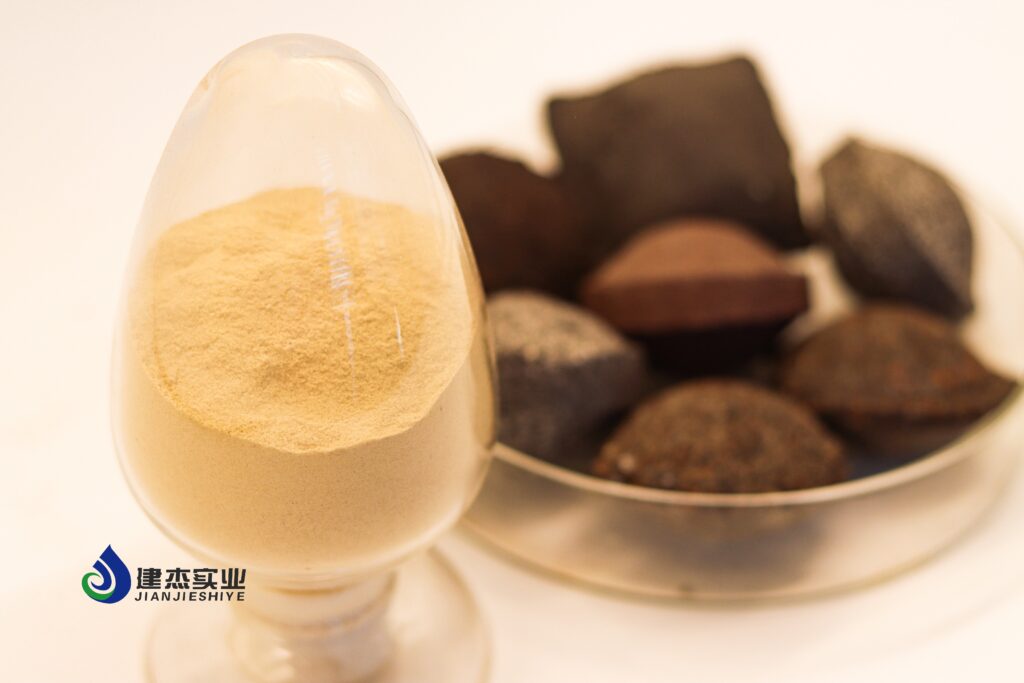
A composite briquetting binder usually combines organic and inorganic materials through multi-component formulation technology. Instead of relying only on dehydration hardening, it can generate bonding strength earlier during briquette formation.
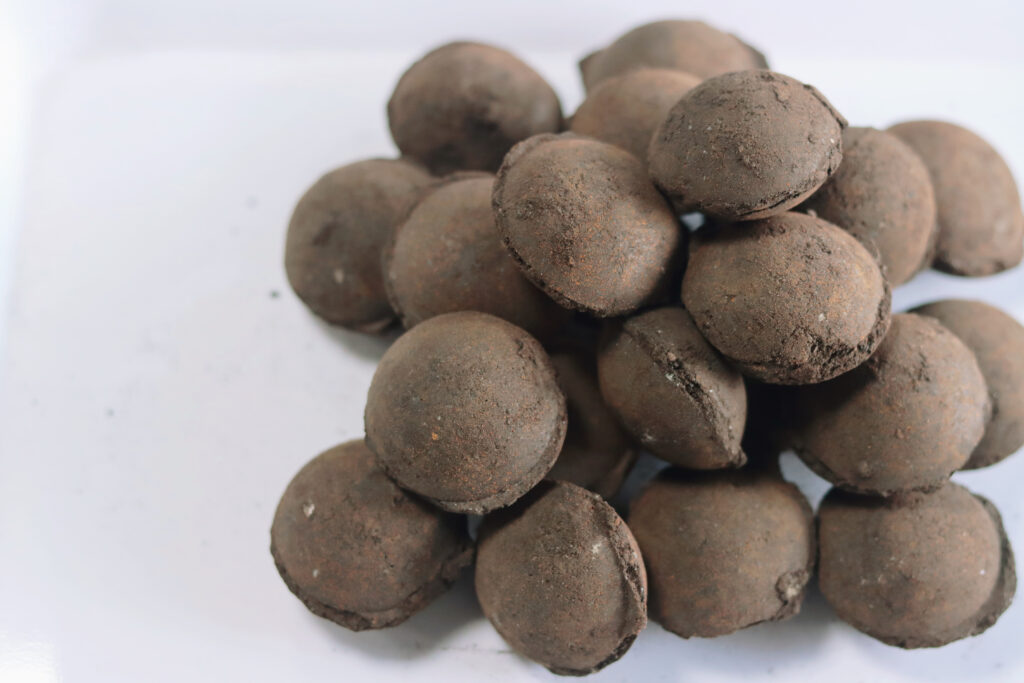
As a result, composite binding agents can provide:
- Better wet strength
- Higher drop resistance
- Faster curing
- More stable transportation performance
For many steel waste recycling projects, this means smoother handling and reduced briquette breakage.
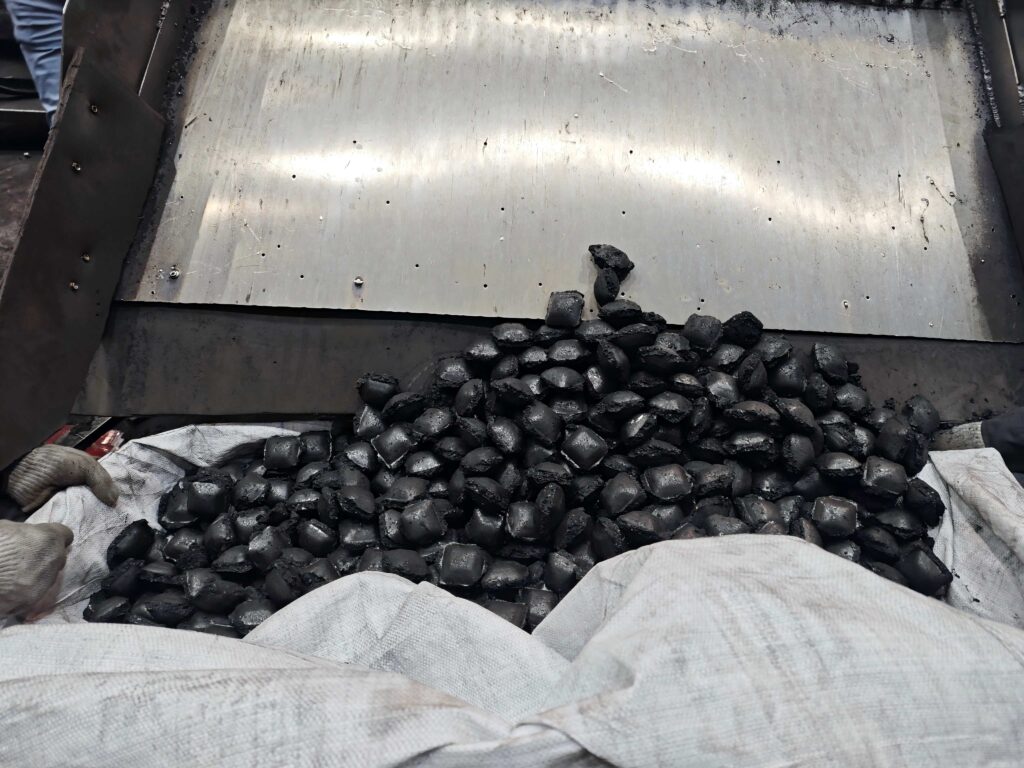
Advantages of Jianjie Composite Binding Agent
As a professional supplier in cold briquetting and steel waste recycling, Jianjie Group provides composite binding agents designed for industrial briquette production.
Compared with traditional water glass binders, Jianjie composite binders offer several advantages:
- Balanced wet and dry strength
- Lower silicon content
- Sulfur-free formulation
- Powder form for easier transportation
- No obvious odor
- Reduced dependence on long drying periods
The powder form also makes storage and export transportation more convenient compared with liquid sodium silicate systems.
These characteristics make composite binders suitable for:
- Steel mill dust briquetting
- Mill scale briquetting
- Slag recycling
- RHF dezincification projects
- Coal briquette production
Watch the Comparison Video Between Water Glass vs Jianjiebinder:
结论
Water glass binding agents still remain a low-cost option in some cold briquetting applications, especially when drying systems are available and wet strength requirements are not critical.
However, modern steel plants increasingly demand better transportation performance, lower impurity introduction, and more efficient production processes.
For these applications, composite binding agents are gradually becoming a preferred alternative due to their balanced strength, lower silicon content, and improved operational convenience.
Choosing the right binder is no longer only about forming briquettes — it is also about improving recycling efficiency, reducing operational challenges, and supporting stable industrial production.
Looking for free sample to test? 联系我们 now and we will have professional engineer assist you.