Introduction
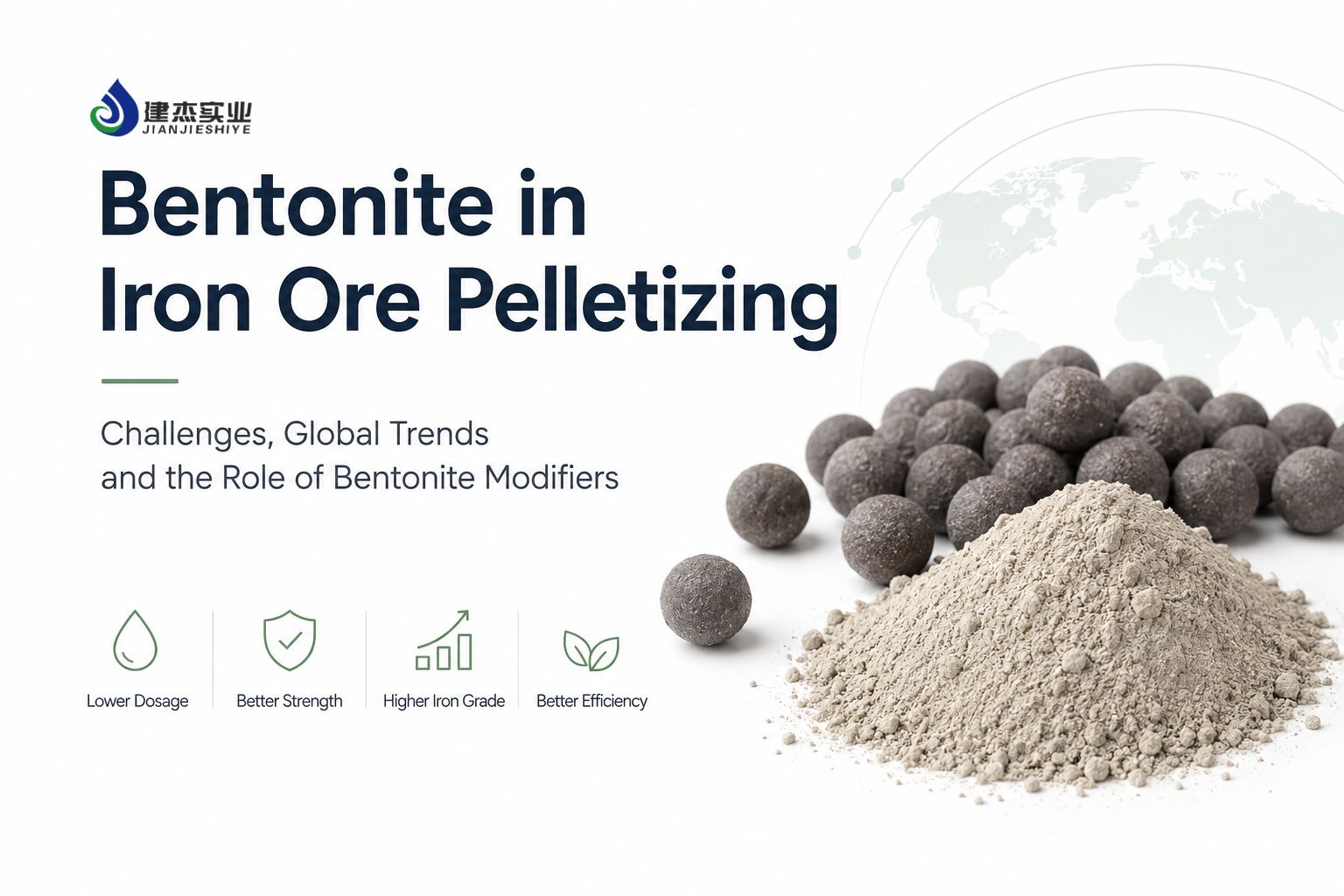
As global steel production continues to grow, the demand for high-quality iron ore pellets is stronger than ever. Pellet quality directly impacts steelmaking efficiency and cost. While traditional bentonite has been widely used in 造粒 processes, its impurities and environmental concerns can limit pellet and steel quality.
To address these challenges, pellet plants are increasingly turning to organic binders for pelletizing. Compared to bentonite, organic binders not only enhance 颗粒强度 、 process controllability, but also significantly reduce impurities, making them an effective solution for cleaner, more sustainable pelletizing operations.
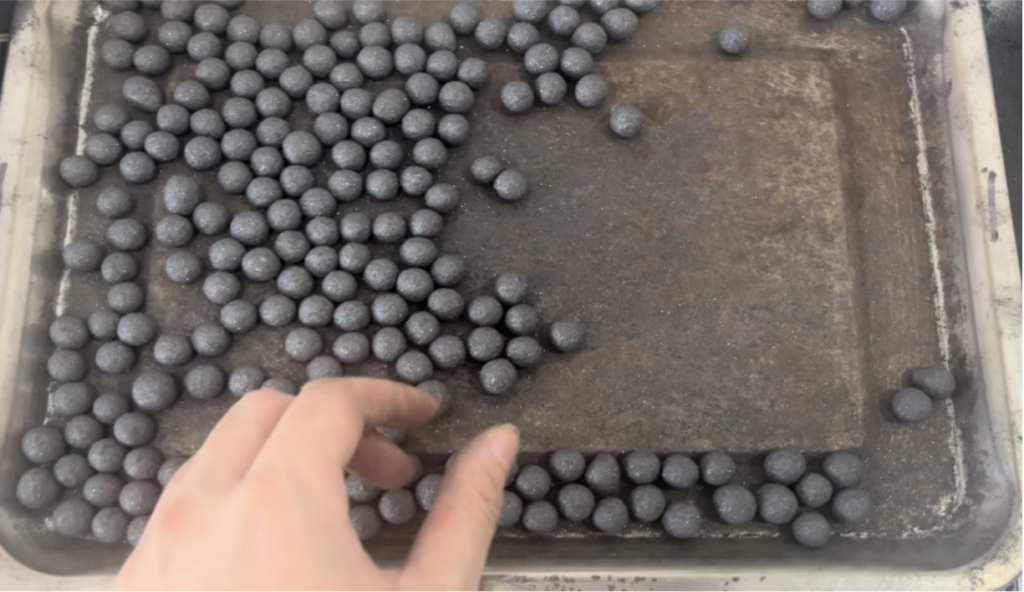
In this article, we will explore what organic binders are, their role in modern pelletization, and how Jianjie’s high-performance organic binder is helping producers achieve cleaner and more efficient pelletization.
What is an Organic Binder in Iron Ore Pelletizing?
Definition of Organic Binder
An organic binder is a carbon-based material used to agglomerate fine iron ore concentrate during pellet production. Unlike traditional mineral binders such as bentonite, organic binders are primarily composed of organic polymers or natural compounds that provide adhesion without introducing significant amounts of silica or alumina into the pellet.
Their primary purpose is to improve pellet formation, maintain pellet integrity during handling, and support efficient downstream processing.
How Organic Binders Work
Organic binders create bridges between fine iron ore particles through adhesion, cohesion, and capillary forces. During mixing, the binder coats the ore particles and promotes particle-to-particle bonding.
As the pellets dry, these bonds strengthen, helping the pellets maintain their shape and resist breakage during transportation, screening, and furnace charging.
Unlike inorganic binders that remain as mineral impurities in the final pellet, many organic components decompose during firing, leaving behind minimal residual gangue.
Bentonite vs. Organic Binder in Iron Ore Pelletizing
Why Bentonite Has Been the Industry Standard
膨润土 has been used in iron ore pelletizing for decades because of its strong binding ability, stable performance, and relatively low purchase cost.
Its swelling properties allow it to absorb water and create strong bonds between iron ore particles, producing pellets with excellent green and dry strength. For many pellet plants, bentonite remains a reliable and proven solution.
The Limitations of Bentonite
Despite its advantages, bentonite introduces certain challenges.
Because bentonite contains silica (SiO₂) 、 alumina (Al₂O₃), its addition can dilute the iron content of pellets and increase slag generation during ironmaking.
| Bentonite Advantage | Limits |
|---|---|
| Strong binding ability | Introduces SiO₂ and Al₂O₃ |
| Stable pellet quality | Reduces iron grade |
| Mature technology | Increases slag volume |
| Low purchase cost | May increase downstream processing costs |
As steel producers pursue higher-grade burden materials, reducing unwanted gangue has become increasingly important.
Organic Binder vs. Bentonite
The following comparison highlights the key differences:
| Parameter | 膨润土 | 有机粘合剂 |
| Impact on Iron Grade | Reduces Fe content slightly | Minimal dilution |
| Silica and Alumina Introduction | Higher | Very low |
| Slag Generation | Higher | Lower |
| Reducibility | 中度 | Often improved |
| 环境影响 | 中度 | More sustainable |
| Pellet Purity | Lower | Higher |
For producers targeting premium pellet quality, organic binders can offer significant advantages.
Can Organic Binders Replace Bentonite?
This is one of the most frequently asked questions in the pelletizing industry.
The answer depends on the ore characteristics, pellet specifications, and production conditions.
In some operations, organic binders can partially or completely replace bentonite. In others, a hybrid approach is preferred, combining organic binders with a reduced amount of bentonite to balance pellet strength, iron grade, and cost.
The optimal solution should always be determined through laboratory testing and industrial validation.
Why Organic Binders Matter in Iron Ore Pelletizing
Higher Iron Grade
Since organic binders introduce fewer mineral impurities, they help preserve the iron content of the pellet. This can contribute to improved blast furnace productivity and reduced slag generation.
Lower Slag Volume
Reduced silica and alumina input means less slag formation during smelting, which can lower flux consumption and improve overall furnace efficiency.
Better Reducibility
Many organic binder systems contribute to improved pellet porosity, allowing reducing gases to penetrate more effectively during ironmaking.
Cleaner Production
Organic binders generally support cleaner pellet production by reducing impurity loading and promoting more efficient resource utilization.
Sustainability Benefits
As the steel industry moves toward decarbonization and green steel production, organic binders align well with sustainability goals by supporting higher-quality pellets and reducing waste generation.
Optimizing Pelletizing with Jianjie’s Organic Binder
At Jianjie, we understand that no two iron ores are exactly alike. Different mineral compositions, moisture contents, and process requirements require customized binder solutions.
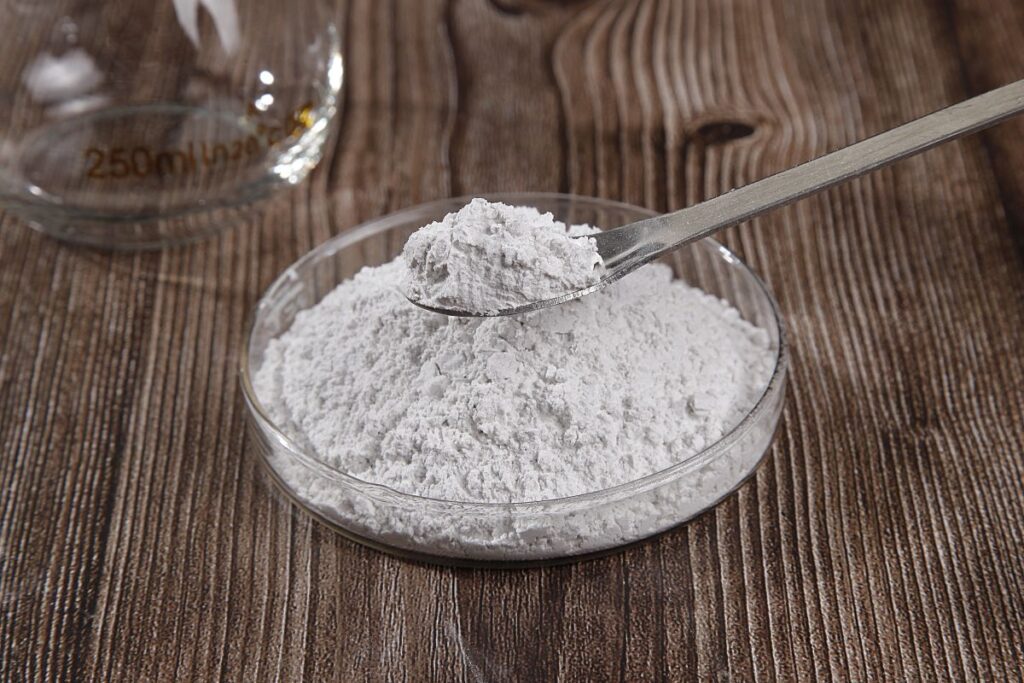
Reduced Bentonite Consumption
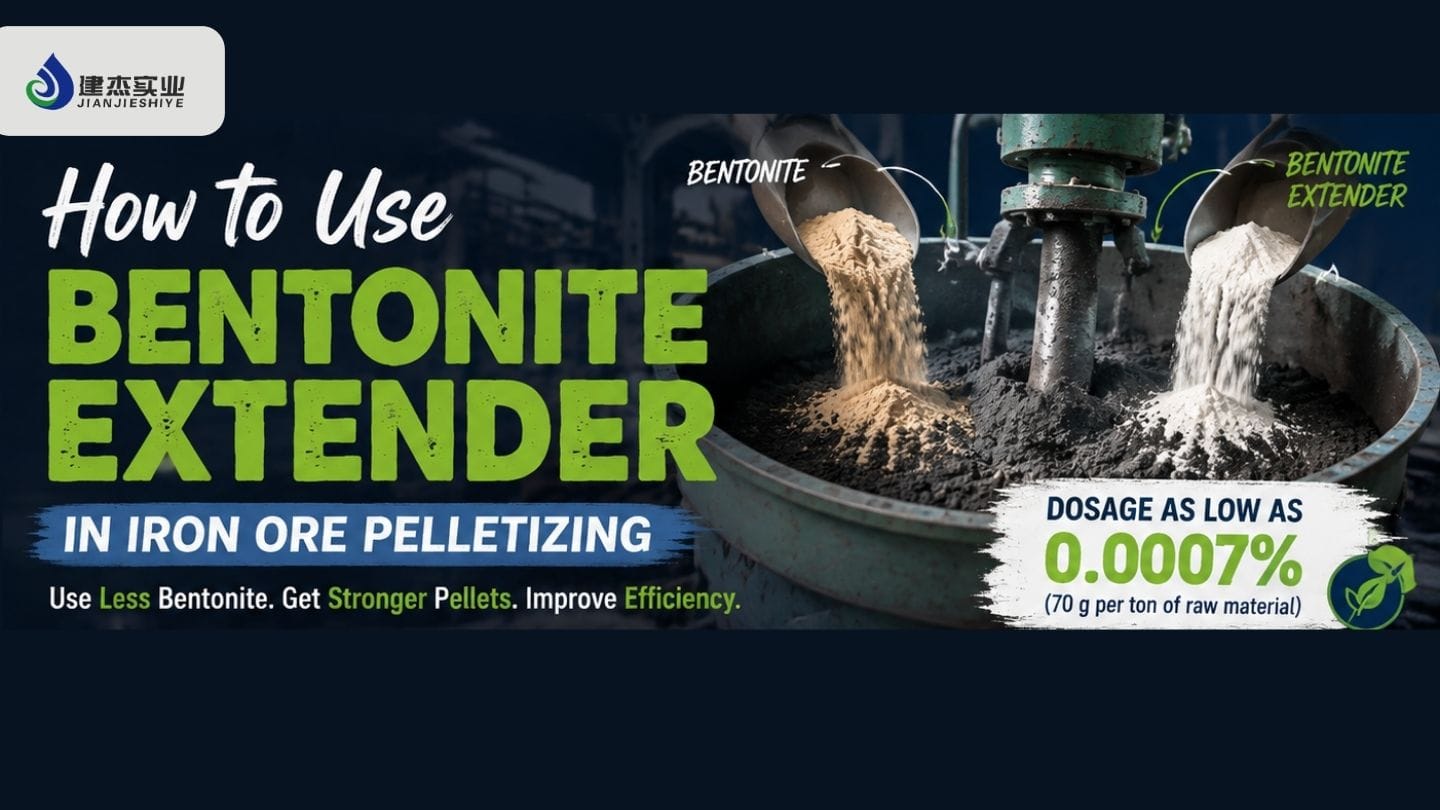
Jianjie’s organic binder solutions can significantly reduce bentonite dosage while maintaining pellet quality, helping producers achieve higher iron grades and lower impurity levels.
Enhanced Pellet Strength
Our formulations are designed to provide excellent green, dry, and fired pellet performance, minimizing breakage during transportation and processing.
Improved Pellet Quality
By reducing unwanted gangue introduction, Jianjie binders help improve pellet purity and downstream metallurgical performance.
Customized Formulations
Through laboratory testing and process evaluation, our technical team develops tailored binder solutions for specific ores and production conditions.
Technical Support from Testing to Production
From sample analysis and laboratory pelletizing tests to industrial-scale implementation, Jianjie provides comprehensive technical support throughout the project lifecycle.
Organic Binders for a Greener Pelletizing Future
As the steel industry faces growing demands for cleaner production and higher-quality pellets, innovative binder solutions are becoming increasingly essential. 有机粘合剂 for pelletizing offer a path to improving pellet performance, reducing impurities, and supporting sustainable steelmaking.
建杰 is dedicated to helping producers meet these challenges through advanced organic binder technology and comprehensive technical support. If you are looking to optimize your pelletizing process and achieve greener, more efficient production, we welcome you to 联系我们 anytime to explore customized solutions tailored to your needs.
常见问题 (FAQ)
There is no universal answer. The best binder depends on ore characteristics, pellet quality requirements, and production conditions. Composite organic binders often provide the most balanced performance.
Yes. Properly formulated organic binders can provide excellent green and dry pellet strength while minimizing impurity introduction.
Generally, yes. Organic binders can help reduce slag generation and support cleaner pellet production compared with traditional mineral binders.
Dosage varies depending on the raw material and process requirements. Laboratory testing is usually necessary to determine the optimal addition rate. Jianjie organic binder’s dosage can be lower than 0.0X%.
In some applications they can, while in others a combination of organic and inorganic binders (复合粘结剂) may deliver the best overall performance.