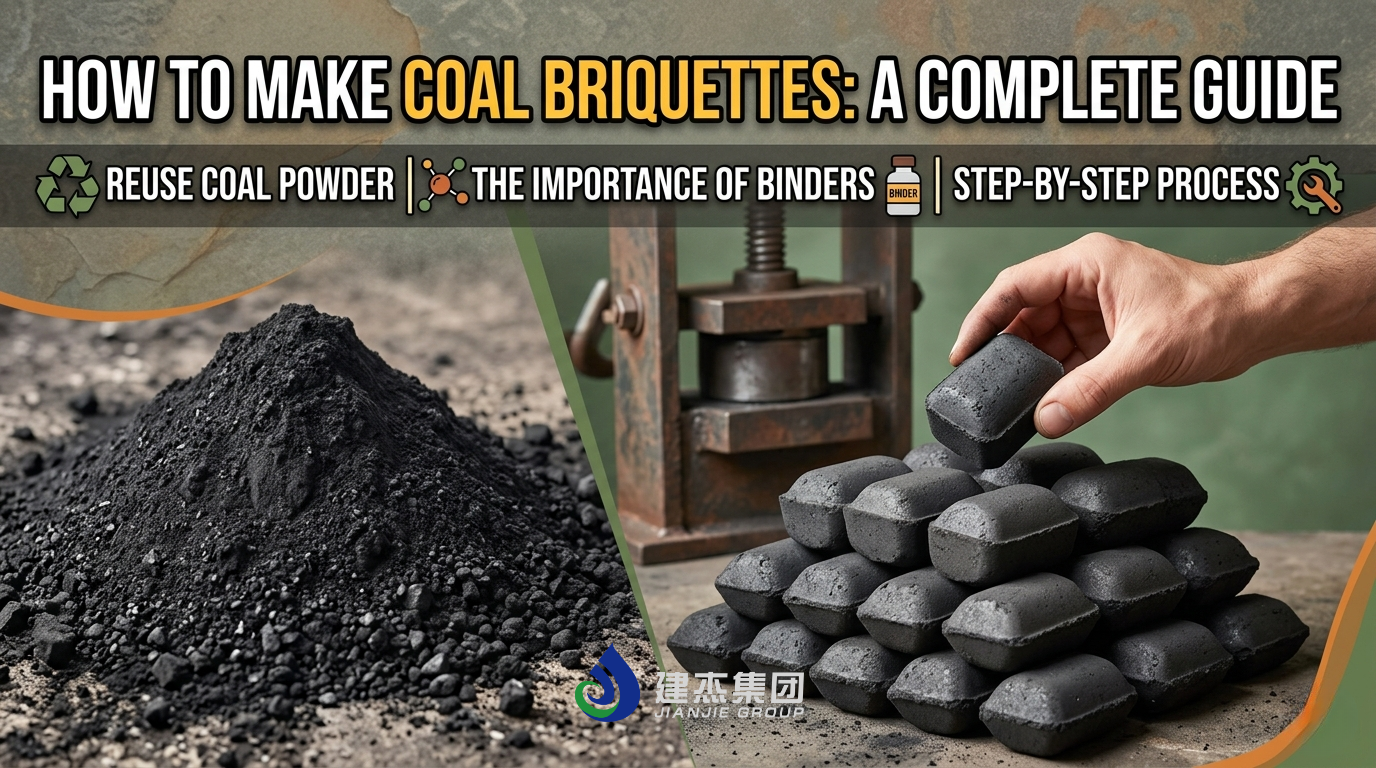
Coal briquettes are widely used in industrial and household applications due to their high energy density and convenient handling. However, producing strong and uniform briquettes requires the right process, equipment, and binder selection. In this guide, whether you are using anthracite coal, bituminous coal, or other kind, we explain how to make coal briquettes efficiently, highlighting techniques to improve strength and reduce waste.
Understanding Coal Briquettes
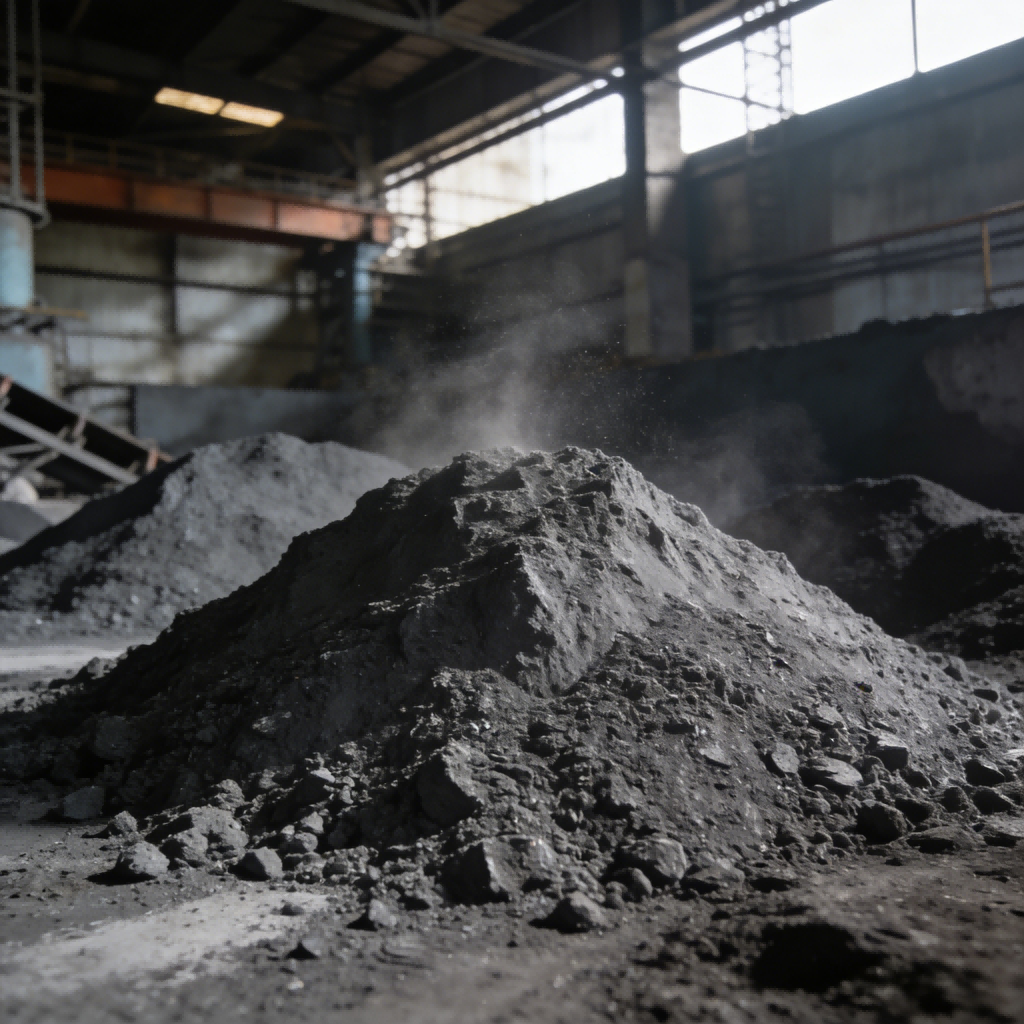
Loose Coal Powder
Before making briquettes, it’s important to understand their composition and purpose.
Coal Fines: Small particles of coal that cannot be used in further applications (such as heating, replacing coal in steelmaking, etc.) directly.
Binders: Substances that hold the coal fines together. Options include starch, clay, synthetic/chemical substance, or composite binders (mixture of different components).
Water: Helps mix the binder and coal fines for proper formation.
Tip: Choosing the right binder is crucial for stability and strength. Traditional starch or molasses may work but a tailored composite binder often gives better results for industrial applications.
Preparing Materials
Collect Coal Fines: Ensure the coal is dry and screened to remove oversized particles.
Choose Binder: Depending on your coal type, select a binder that ensures proper adhesion and durability.
Measure Water: Add just enough to create a damp mixture—too much water weakens the briquettes. The final water content should be around 13%.
Mixing Coal and Binder
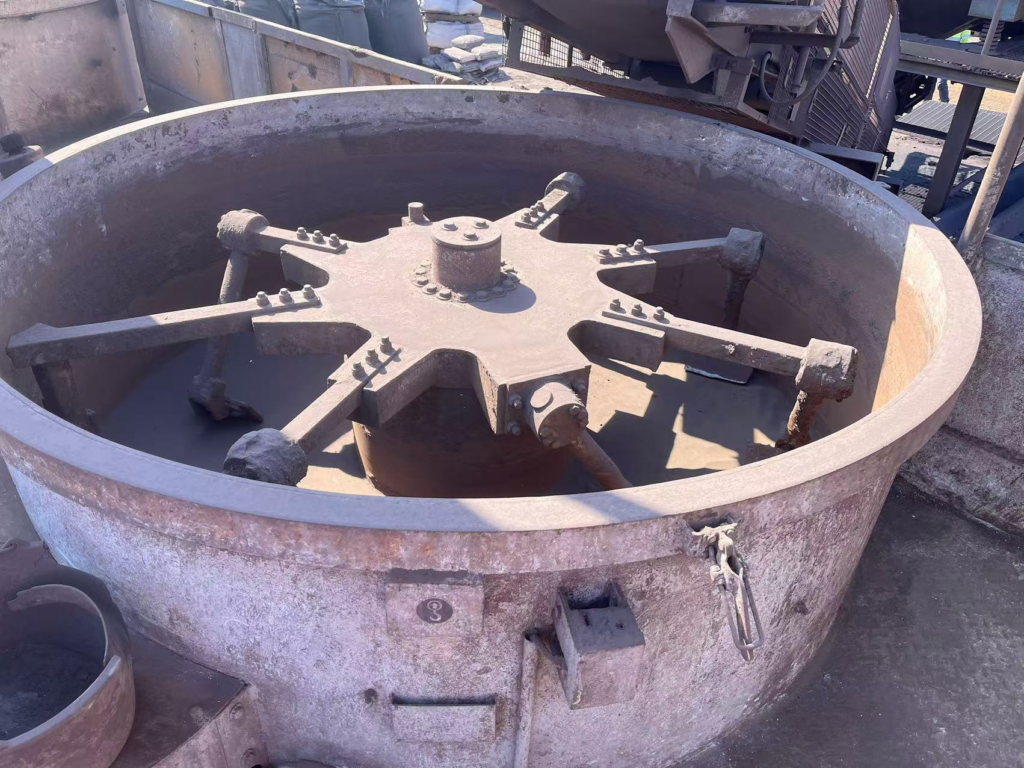
Mixing is a critical step for consistent quality:
- Place coal fines in a mixing machine, such as twin-shaft mixer.
- Add the measured binder gradually.
- Slowly add water while mixing.
- Continue until the mixture is homogeneous and slightly sticky.
Tip: Even distribution of binder ensures uniform strength and prevents weak points in the briquette.
Forming Coal Briquettes
After mixing, form the briquettes using one of these methods:
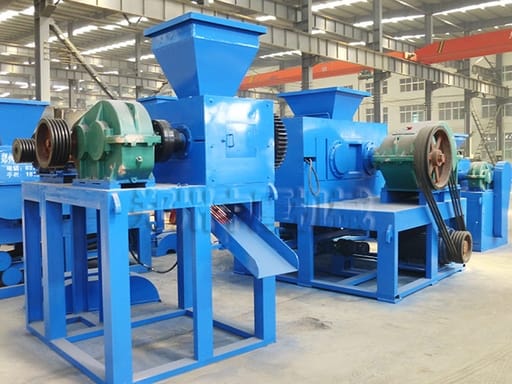
Manual Pressing: Suitable for small batches. Use molds to shape briquettes.
Mechanical Briquetting Press: Ideal for industrial-scale production. Machines ensure uniform size and density.
Roller Press: Produces cylindrical briquettes with high density.
Tip: The pressing method affects briquette density and compressive strength
Drying and Curing
Proper drying is essential to maintain strength:
Air Drying: Leave briquettes in a ventilated area for several days.
Oven Drying: Industrial method to speed up drying.
Avoid excessive heat, which can crack the briquettes.
Tips to Improve Coal Briquette Quality
- Use the right binder for your coal type to prevent breakage.
- Maintain consistent moisture content in the mixture.
- Optimize pressing pressure for uniform density.
- Test small batches before full-scale production.
Common Problems and Solutions for Coal Briquetting
| Problem | Cause | Solution |
|---|---|---|
| Briquettes break easily | Weak binder / low density / low grade of coal | Use composite binder / increase pressing pressure |
| Dusty surface | Too dry mixture | Adjust moisture and mixing |
| Uneven size | Improper molding | Calibrate press or molds |
Integrated Solution for Coal Briquetting
While many producers rely on single raw materials such as molasses, bentonite, or CMC, achieving stable, high-strength coal briquettes requires more than just selecting a binder.
Jianjie provides a complete briquetting solution, combining:
1. Customized Binder Formulation
- Tailored composite binders based on your coal fines properties
- Optimized for strength, moisture balance, and production stability
- Suitable for coal, mill scale, steel slag, and mixed materials
2. Technical Process Support
- Guidance on mixing ratios, moisture control, and process parameters
- Optimization of briquetting workflow to improve yield and consistency
- Troubleshooting support for issues like breakage, low strength, or dusting
3. Equipment Integration Assistance
- Support in selecting suitable briquetting machines and mixers
- Assistance in designing or optimizing your production line
- Coordination with equipment suppliers to ensure compatibility with binder systems
4. End-to-End Solution Approach
Instead of selling just a binder, Jianjie helps you build a stable and scalable briquetting system, reducing trial-and-error and minimizing production risks.
Conclusion
Making high-quality coal briquettes requires careful material selection, proper mixing, efficient forming, and correct drying. Using the right binder and process can increase strength, reduce breakage, and improve overall efficiency. For industrial operations, custom binder solutions can further optimize performance and consistency.
Want to improve your coal briquettes? Contact for a sample and get a custom briquetting solution today!
Stay updated with the latest coal briquetting tips, case studies, and industrial solutions:
Follow us on LinkedIn for industry insights and updates.
Subscribe to our YouTube channel for demo videos, tutorials, and success stories.