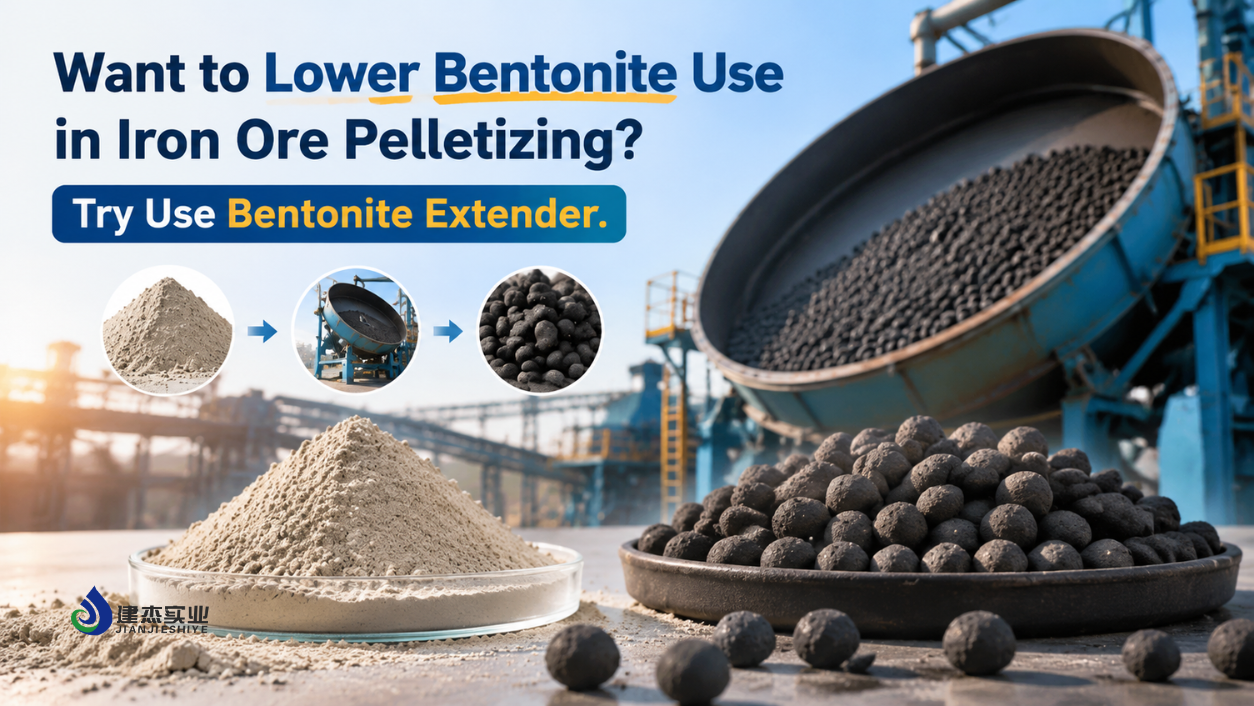
Introduction: The Need for More Sustainable Iron Ore Pelletizing
As the steel industry moves toward green metallurgy and low-carbon steelmaking, iron and steel producers are continuously looking for ways to improve resource efficiency, reduce emissions, and optimize production costs.
One important direction is improving the quality of pellets de mineral de hierro, which are widely used as feedstock in blast furnaces and direct reduction processes. Higher-quality pellets with higher iron (Fe) content can contribute to better furnace efficiency, lower energy consumption, and reduced slag generation.
However, achieving high-performance iron ore pellets requires a careful balance between pellet strength, metallurgical performance, and chemical composition.
For decades, bentonite has been the most commonly used binder in iron ore pelletizing due to its excellent bonding ability and availability. However, excessive bentonite addition can create challenges for steelmakers who are pursuing higher Fe-grade pellets and more efficient blast furnace operation.
This has led to growing interest in bentonite extenders — solutions that help reduce bentonite consumption while maintaining or improving pellet performance.
The Challenge of Using Too Much Bentonite in Iron Ore Pelletizing
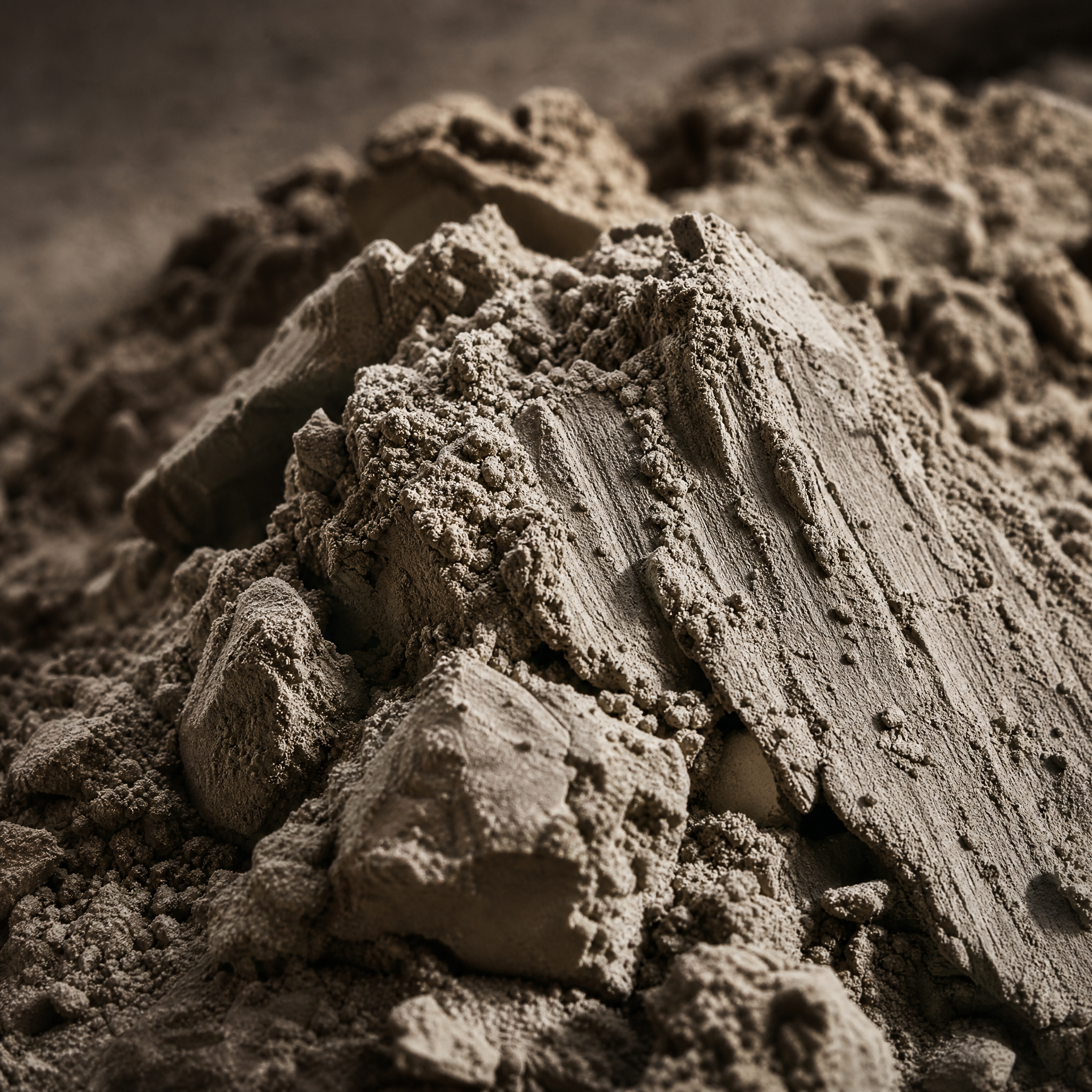
Bentonite plays an important role in pellet production. It improves the green pellet strength, helps control moisture, and provides sufficient bonding during handling and transportation.
However, bentonite itself contains a significant amount of gangue minerals, mainly silica (SiO₂) and alumina (Al₂O₃), which do not contribute to iron content.
When excessive bentonite is added during pelletizing, several problems may occur:
Lower Fe Content in Iron Ore Pellets
Since bentonite does not contain iron, increasing bentonite dosage can dilute the iron content of finished pellets.
For steel plants producing high-grade iron ore pellets, even a small reduction in Fe grade can affect the overall efficiency and economic value of the final product.
Increased Slag Generation in Blast Furnace
The additional silica and alumina introduced by bentonite enter the blast furnace as impurities.
During ironmaking, these components react with fluxes and generate more slag. Higher slag volume usually means:
- Increased flux consumption
- Higher energy requirements
- Reduced furnace productivity
- Higher CO₂ emissions
Therefore, reducing unnecessary bentonite addition has become an important goal for many pellet plants seeking cleaner and more efficient steel production.
What Is Bentonite Extender? A Solution to Reduce Bentonite Consumption
A bentonite extender is a functional additive designed to enhance the bonding performance of bentonite, allowing pellet plants to achieve the required pellet strength with a lower amount of bentonite.
Instead of completely replacing bentonite, a bentonite extender works together with bentonite to improve the overall binder system.
By using a bentonite extender, pellet plants can:
Reduce Bentonite Addition
The enhanced bonding effect allows producers to lower bentonite dosage while maintaining pellet quality.
This helps reduce the introduction of non-iron components into pellets.
Maintain Higher Fe Grade
With less bentonite added, the dilution effect is reduced, helping maintain a higher iron content in finished pellets.
Improve Pellet Performance
A suitable bentonite extender can improve:
- Green pellet strength
- Dry pellet strength
- Drop resistance
- Compressive strength
- Pellet stability during handling and transportation
For modern pelletizing operations, bentonite extender provides a practical pathway to improve both productivity and sustainability.
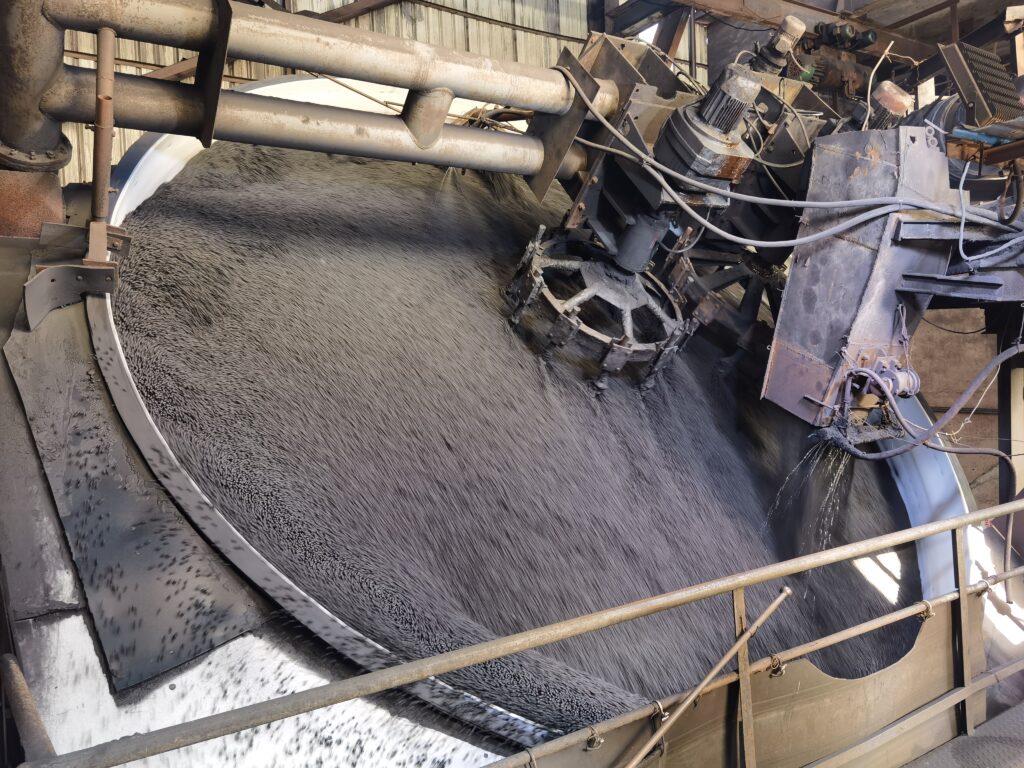
Jianjie Bentonite Extender: A Cleaner Solution for High-Performance Pelletizing
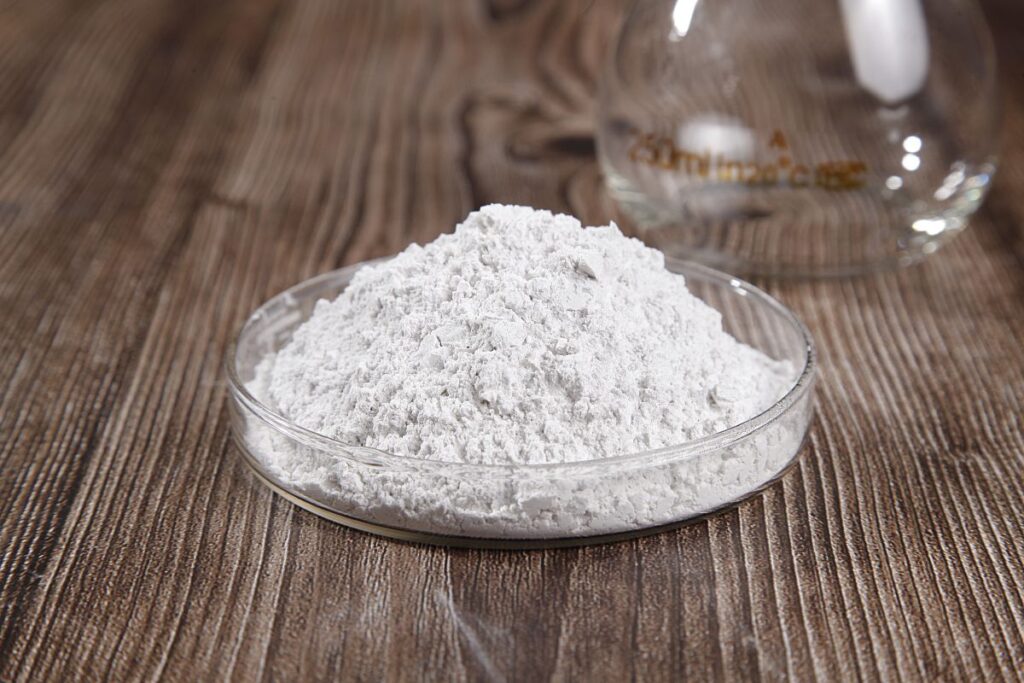
Jianjie Bentonite Extender is an eco-friendly, fully organic additive designed to help iron ore pellet producers optimize their binder system and reduce bentonite consumption.
Unlike mineral-based additives, Jianjie Bentonite Extender contains no additional impurities, helping maintain the Fe grade of pellets while improving bonding performance.
Key benefits include:
- Reducir la dosis de bentonita while maintaining pellet quality
- Improve pellet bonding performance and compressive strength
- Enhance pellet stability during handling and transportation
- Support for cleaner and more efficient steelmaking processes
With extensive experience in agglomeration technology, Jianjie provides customized binder solutions based on different iron ores and pelletizing conditions to help customers achieve stable and optimized production.
Conclusion: Optimize Your Pelletizing Process with Bentonite Extender
Bentonite remains an important binder in iron ore pelletizing, but excessive usage can negatively affect pellet Fe grade and increase slag generation during blast furnace operation.
For pellet plants looking to improve efficiency, reduce impurities, and produce higher-quality pellets, bentonite extender provides an effective solution.
Jianjie Bentonite Extender helps optimize the binder system by reducing bentonite consumption while maintaining excellent pellet strength and performance.
Looking for a way to reduce bentonite dosage and improve iron ore pellet quality? Contact Jianjie today for a customized binder solution for your pelletizing process.
Stay updated with the latest coal briquetting tips, case studies, and industrial solutions:
Follow us on LinkedIn for industry insights and updates.
Subscribe to our YouTube channel for demo videos, tutorials, and success stories.