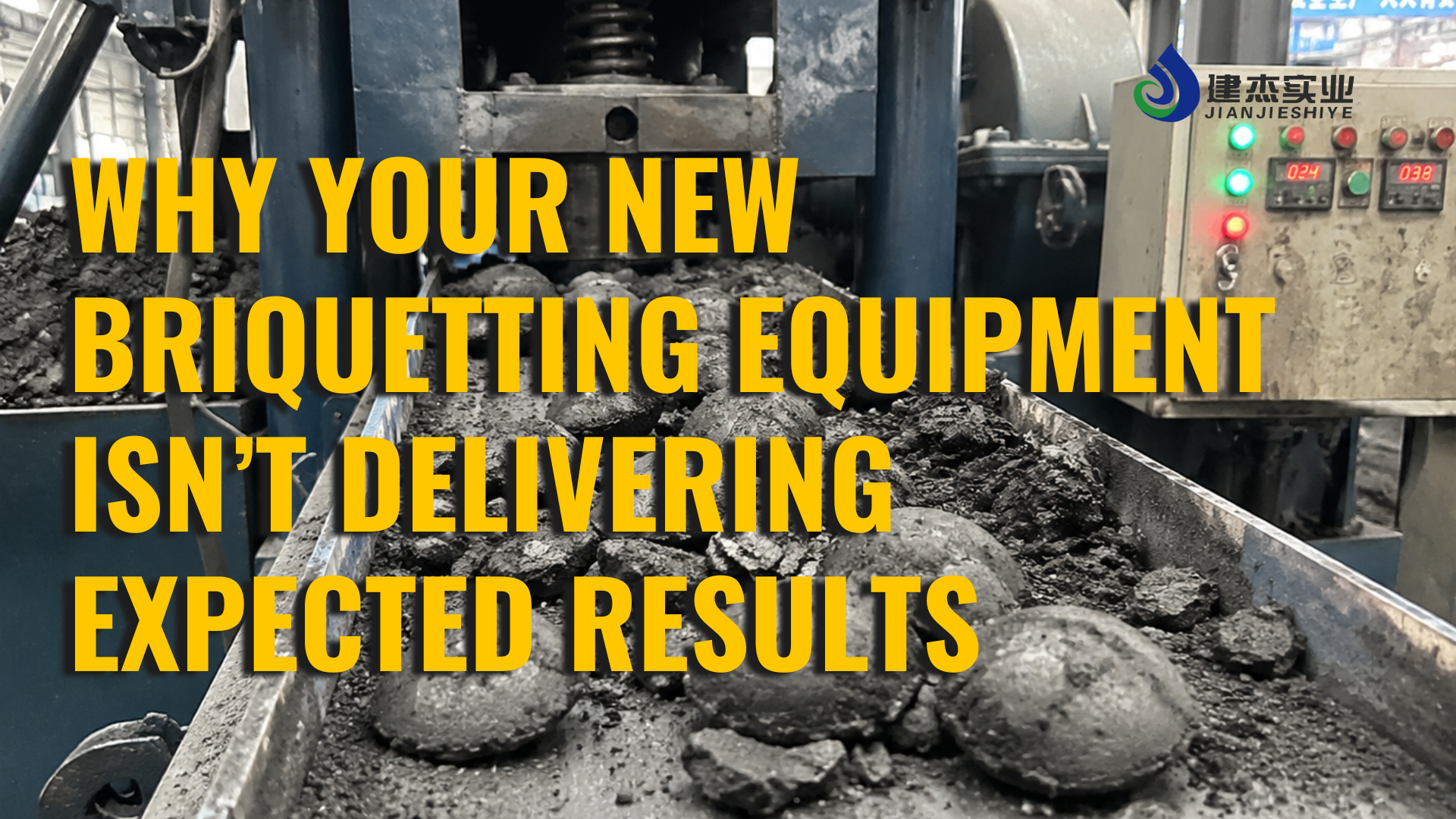
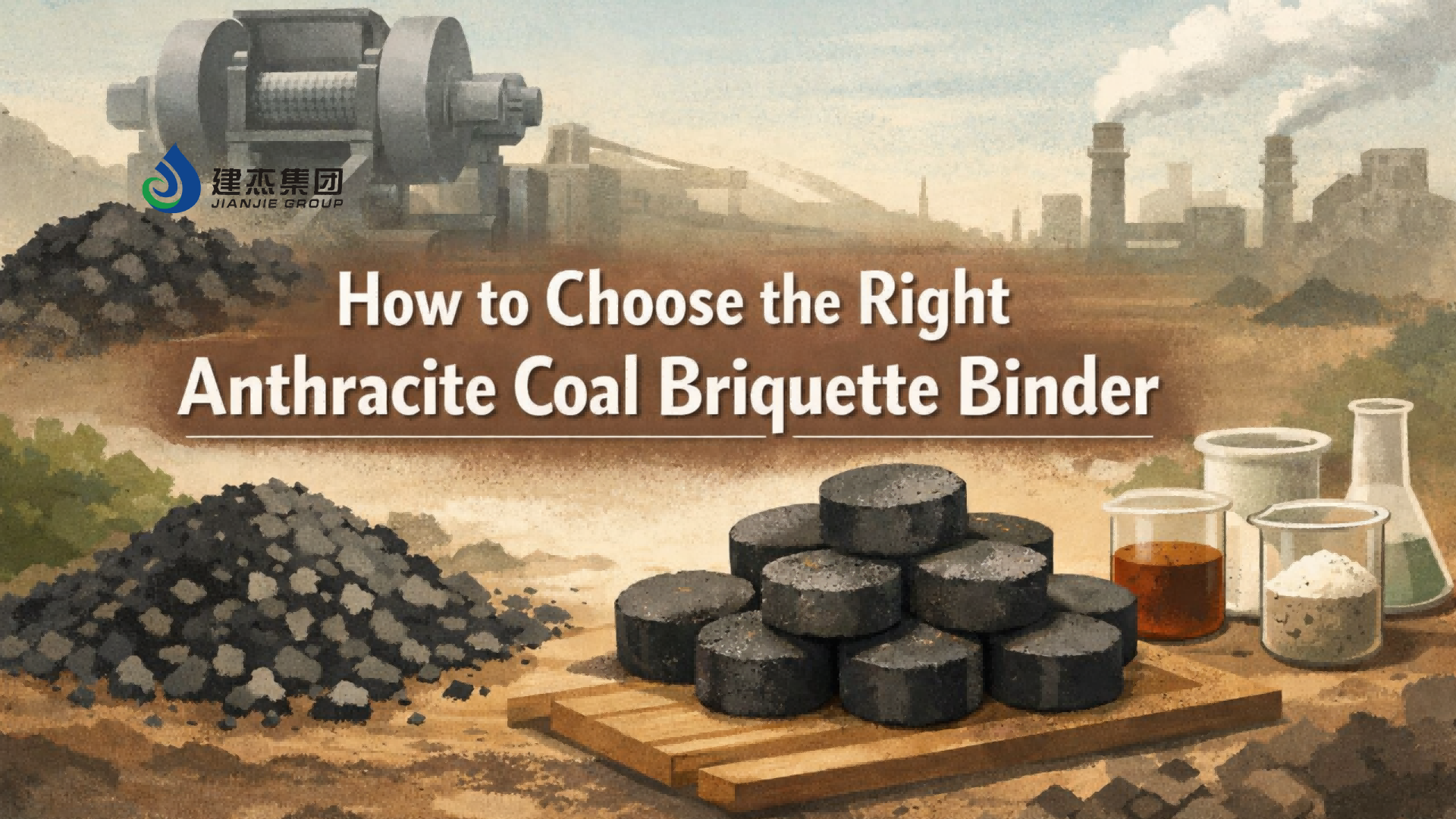
На сайте anthracite coal briquetting, problems such as unstable forming, breakage during transport, and high return fines often occur at the same time. Based on practical production experience, the selection of the binder and how well it matches the formulation play a key role in improving these anthracite briquettes issues.
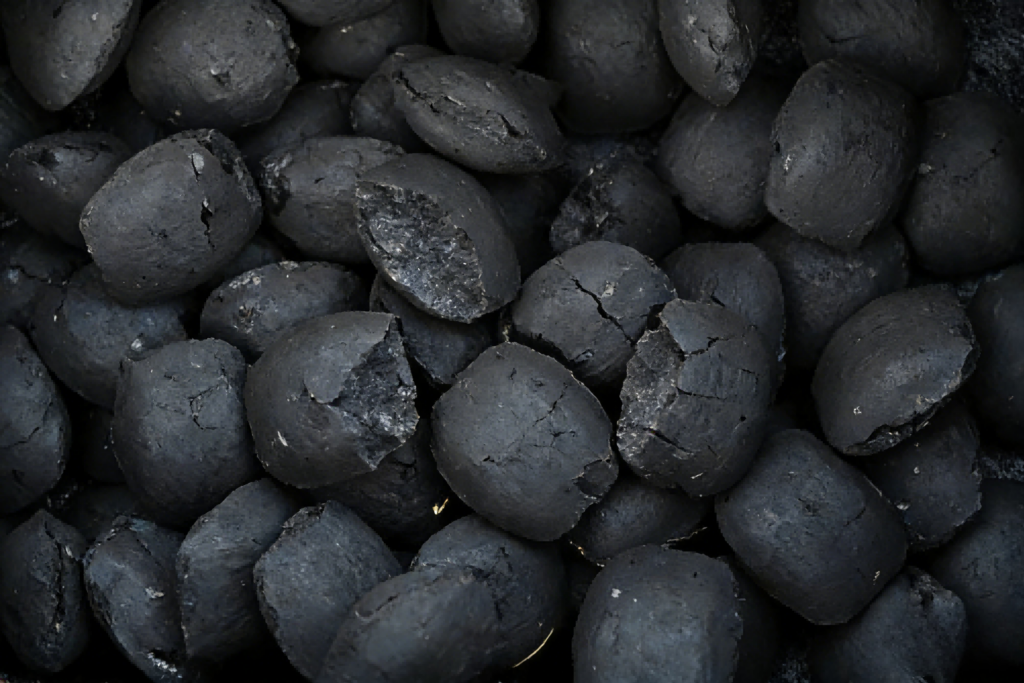
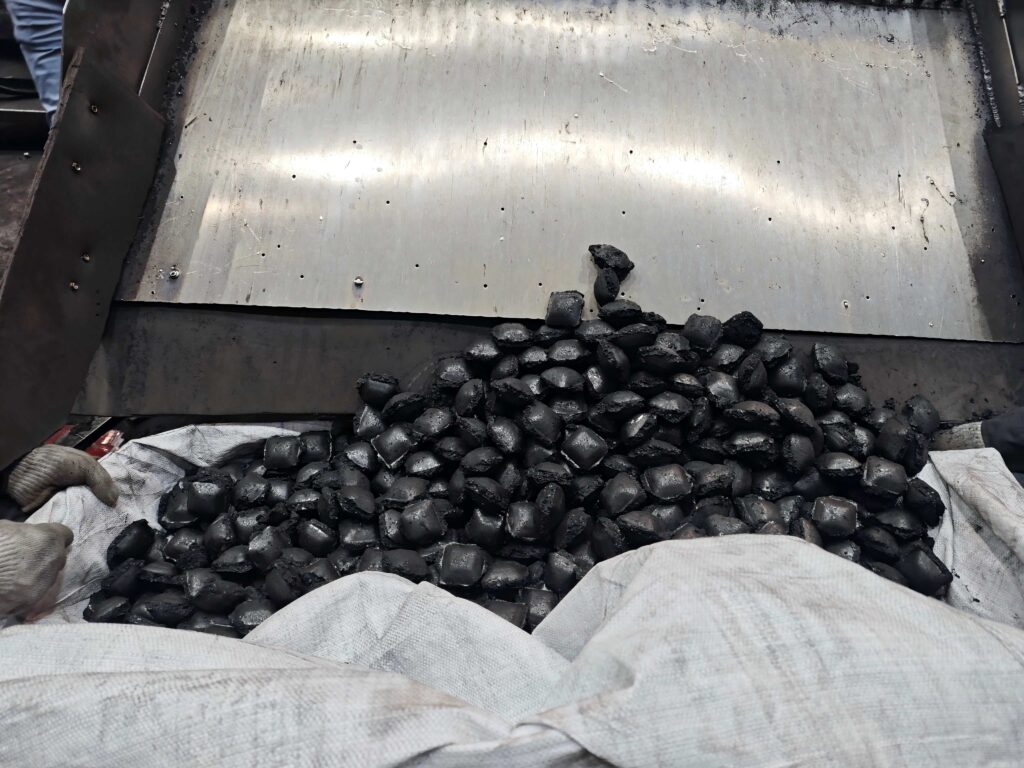
Broken Anthracite Briquettes
Starting from the characteristics of anthracite, this article explains the logic behind briquette binder selection and helps producers achieve more stable and cost-effective briquetting while maintaining reliable briquette quality.
Why Choosing the Right Binder Matters
Anthracite briquettes are produced through a typical briquetting process. Coal powder particles have almost no self-bonding ability, so a binder is essential to form a stable structure.
The role of a binder goes far beyond simply “holding particles together”:
- Ensures uniform adhesion during compaction, giving briquettes consistent forming rate and initial strength.
- Maintains briquette integrity during handling, transport, and storage, reducing breakage and fines.
- Influences combustion behavior, including heat release, ash formation, and emissions, which affects furnace performance.
- Contributes to production cost optimization by minimizing material loss and reducing the need for reprocessing.
For this reason, binder selection is not a simple material choice. It is a system decision that must match the raw material, briquettes equipment, and final application.
Understand Your Raw Material First: Anthracite Coal Characteristics
Before selecting a binder, it is essential to fully understand the properties of the anthracite being used. Even coal labeled as “anthracite” can vary greatly depending on its source and processing method.
Particle Size and Coal Fineness
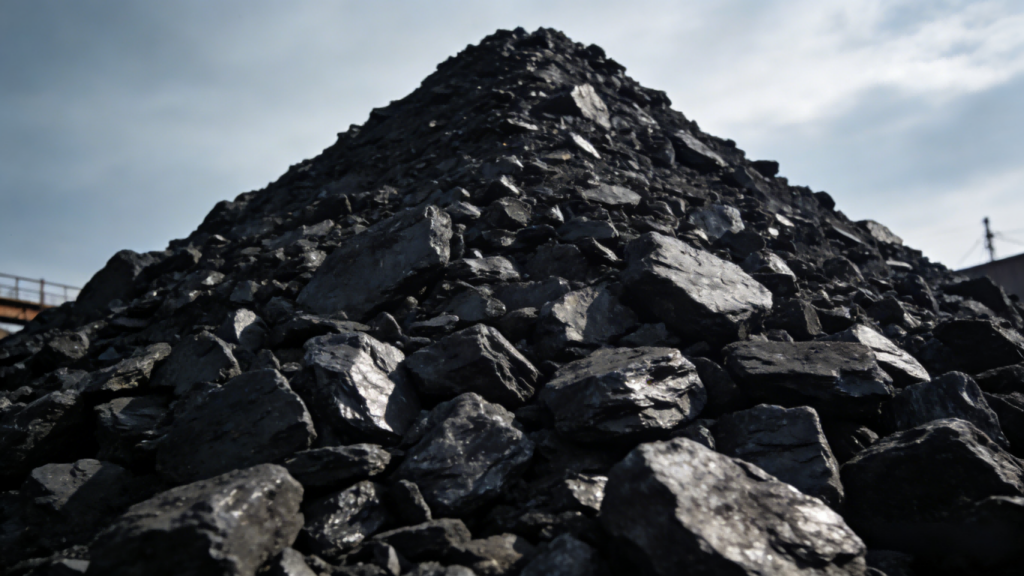
Антрацитовый уголь is hard and brittle. After crushing, it often contains a high proportion of fine particles. Particle size distribution has a direct influence on briquette density and binder demand:
- Particles that are too coarse lead to large internal pores and low strength
- Very fine particles increase surface area and need better binder coverage and moisture distribution.
A proper particle size distribution is often more effective than simply increasing binder dosage.
Ash Content and Fixed Carbon
Anthracite is known for high fixed carbon and low volatile matter, but ash content can vary widely between sources. Ash content not only affects combustion performance but also reduces the effective bonding action:
- High-ash coal usually requires stronger structural bonding
- Different ash compositions may respond differently to inorganic binders
Moisture Content
Moisture is a key but often overlooked factor in cold briquetting.
- If moisture is too low, the binder cannot spread evenly.
- If moisture is too high, briquettes may crack, dry slowly, or generate fines.
Different binders have different moisture tolerance ranges, making formulation adjustment necessary.
Key Performance Requirements for Anthracite Угольные брикеты
Once raw material characteristics are clearly defined, the next step is to establish performance targets for the briquettes. Binder selection should always be guided by these requirements rather than theoretical strength values alone.
Mechanical Strength и Handling Resistance
Briquettes must remain intact during discharge, stacking, loading, and transport. Typical indicators include CCS (cold compressive strength) and drop resistance.
The binder must provide sufficient structural support at room temperature, not rely only on pressing force.
Combustion Performance
When used as fuel, briquettes should burn steadily. The binder should not significantly reduce calorific value or introduce excessive ash or harmful residues.
Storage and Transportation Stability
In real production, briquettes are often stored for extended periods or transported over long distances. The binder must offer reasonable moisture resistance and environmental stability to prevent strength loss.
Types of Anthracite Coal Briquette Binders (Pros & Cons)
In anthracite coal briquetting, binders are generally divided into two main categories: inorganic binder, organic binder и composite binder. Understanding the basic differences between these binder types helps clarify their suitable application scenarios.
The table below provides a practical comparison to support binder selection in real production conditions.
| Comparison Item | Inorganic Binder | Органический связующий | Композитный связующий материал |
| Core advantages | Low cost, high thermal stability, widely available | High bonding efficiency, no ash increase, preserves calorific value | Balanced strength, controlled ash impact, strong adaptability |
| Suitable raw materials | High-ash anthracite coal | Fine-rich or high-quality anthracite coal | Wide range of anthracite grades, including high-ash and fine-rich coal |
| Forming behavior | Requires high pressure, briquettes tend to break easily | Performs well under lower pressure, delivering stable CCS and drop resistance | Stable forming across different pressures with improved structural integrity |
| Dosage level | Relatively high | Relatively low | Moderate and optimized |
| Impact on combustion | Increases residual ash, potential slagging | Near-ash-free combustion, more environmentally friendly | Controlled ash contribution with stable combustion behavior |
| Key limitations | Reduces calorific value, limited adaptability to complex conditions | Requires precise moisture control and good mixing | Requires formulation design and technical support |
There is no absolutely “better” binder type. Suitability depends on coal properties, forming conditions, and the final application of the briquettes.
Compared with purely organic binders, композитные вяжущие вещества are often preferred in anthracite coal briquetting when both strength stability and process adaptability are required.
By integrating organic bonding efficiency with inorganic structural support, composite binders provide a more balanced solution for briquetting under variable raw material and operating conditions.
Цзяньцзе anthracite coal briquetting binders are formulated as composite binders to support consistent briquette quality while maintaining controlled ash impact and reliable forming performance.
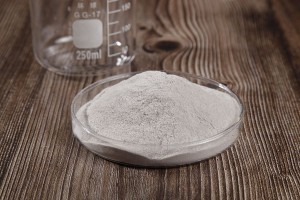
Jianjie Coal Briquetting Binder
Ключевые факторы to Consider When Choosing a Папка
Particle size distribution and ash content of the anthracite coal, as they directly influence forming strength and binder demand.
- Briquetting machine type and forming pressure, which determine how the binder interacts with coal powder during compaction.
- Final use of the briquettes, whether as fuel, reductant, or for other applications, since performance requirements vary accordingly.
- Overall requirements for cost, stability, and environmental performance, which affect the optimal binder choice and dosage.
Evaluating binders in isolation rarely provides an accurate solution. A comprehensive assessment within the full briquetting process is essential to achieve consistent quality and efficient briquettes production.
Common Mistakes When Selecting Anthracite Coal Связующие элементы для брикетов
Copying Another Plant’s Formula
Successful cases can serve as references, but differences in raw materials, equipment, and operating conditions often prevent direct replication of results.
Focusing Only on Binder Price
A lower binder price does not always mean lower production cost. Higher dosage, increased fines, or unstable briquettes can raise overall costs instead.
Skipping Lab or Pilot Testing
Scaling up without systematic testing is a common cause of quality fluctuations. Laboratory and pilot trials can greatly reduce adjustment costs during full-scale production.
How Jianjie Helps You Choose the Right Anthracite Coal Briquette Binder
Цзяньцзе обеспечивает professional binders designed specifically for anthracite coal briquetting. With a low addition rate, jianjie’s coal briquette binders deliver stable wet strength, dry strength, and hot strength, while balancing forming stability, combustion performance, and production economics across different coal grades and raw material conditions.
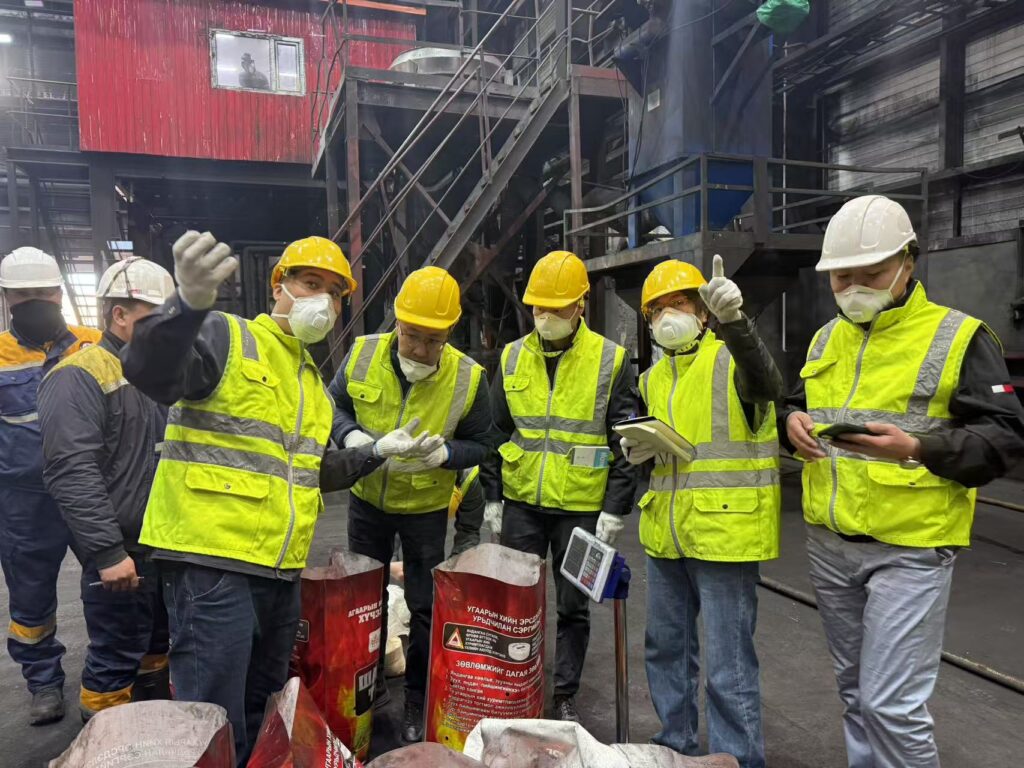
More importantly, Jianjie does not treat binders as standalone products. Instead, they are integrated into a complete anthracite briquetting solution. Through raw material analysis, formulation design, laboratory testing, and on-site process optimization, Jianjie helps customers achieve stable briquette quality and optimized overall production cost.
Заключение
Choosing an anthracite briquette binder is a technical decision rather than a simple purchase. Only by evaluating сырьё, process conditions, и application requirements together can stable and cost-effective briquetting performance be achieved.
To achieve reliable anthracite briquette production, contact Jianjie to discuss your coal characteristics and process needs, and let our experts help you identify the most suitable binder solution for your plant.
For more practical insights on anthracite coal briquetting, binder selection, and cold briquetting process optimization, follow Jianjie on LinkedIn and other social media channels.
We regularly share technical articles, application experience, and industry updates to help producers improve briquette quality and production efficiency.